Diabetic Eye Complications: Expert Advice to Protect Your Vision for Life

Reviewed and medically guided by Dr. Jaswant Singh Thind, M.S. (Ophthalmology), Eye Surgeon with over 33 years of clinical experience

Living with diabetes requires careful attention to your overall health, but one area often overlooked is vision. Diabetic eye complications are a major concern for anyone managing diabetes. These conditions can be silent, progressive, and irreversible if not detected early.

At Thind Eye Hospital, we are committed to protecting your eyesight with evidence-based care and advanced diagnostics tailored for individuals with diabetes. Understanding the risks, recognizing early symptoms, and staying proactive can make all the difference in preserving your sight.

diabetic eye complications


How Diabetes Affects Your Eyes: The Medical Facts

Diabetes, particularly when blood sugar levels remain uncontrolled, can harm the small blood vessels in the eyes. Over time, this damage leads to a group of vision-threatening conditions collectively known as diabetic eye complications. These conditions can affect anyone with type 1 or type 2 diabetes, and their severity often correlates with how long a person has had diabetes and how well it is managed.

The Most Common Diabetic Eye Complications

1. Diabetic Retinopathy: This is the most prevalent diabetic eye complication and a leading cause of blindness among working-age adults. It occurs when high blood sugar damages the tiny blood vessels in the retina, causing them to leak, swell, or close off. In some cases, new abnormal vessels grow, which can bleed or form scar tissue.

Symptoms may include:


      • Blurred or distorted vision

      • Dark spots or floaters

      • Difficulty seeing at night

      • Sudden vision changes

    If untreated, diabetic retinopathy can progress to proliferative diabetic retinopathy or diabetic macular edema, both of which carry a high risk of vision loss.

    2. Diabetic Macular Edema (DME): DME occurs when fluid accumulates in the macula, the central part of the retina responsible for sharp, straight-ahead vision. It is a complication of diabetic retinopathy and can result in significant vision distortion or loss.

    DME is the leading cause of vision loss in people with diabetic retinopathy.

    3. Cataracts: People with diabetes are more likely to develop cataracts at a younger age. High blood sugar affects the lens of the eye, causing it to become cloudy and impairing vision. Though cataracts are treatable with surgery, early intervention ensures better recovery and results.

    4. Glaucoma: Diabetes doubles the risk of developing glaucoma, a condition caused by increased intraocular pressure that damages the optic nerve. Glaucoma often progresses without noticeable symptoms until vision loss is permanent, making regular screenings critical.

    5. Dry Eye Syndrome: Although not as widely discussed, diabetes can impair the normal production of tears, leading to dry eye. This condition causes discomfort, redness, burning sensations and increases the risk of corneal infections.

    Early Warning Signs: When to See an Eye Specialist


    Not all diabetic eye complications cause noticeable symptoms in the early stages. However, you should never ignore the following:


        • Sudden blurred or fluctuating vision

        • Seeing floaters or dark spots

        • Persistent eye pain or pressure

        • Poor night vision

        • Sudden vision loss in one or both eyes

      If you experience any of these symptoms, schedule an urgent eye exam with a qualified ophthalmologist.

      The Importance of Regular Diabetic Eye Exams


      The American Diabetes Association and All India Ophthalmological Society recommend annual comprehensive eye exams for all diabetic individuals, even if no vision symptoms are present. Early detection through retinal imaging, optical coherence tomography (OCT), and dilated eye exams can prevent over 90% of diabetes-related blindness.

      At Thind Eye Hospital, we use diagnostics and advanced retinal imaging tools to detect subtle changes in the eye, often before vision is affected.

      Trusted Diabetic Eye Care at Thind Eye Hospital


      With over three decades of experience, Dr. Jaswant Singh Thind and his team provide compassionate, personalized care rooted in medical expertise. We offer:


          • Thorough diabetic eye evaluations

          • Advanced treatments for diabetic retinopathy and DME

          • Laser therapies and anti-VEGF injections

          • Cataract surgery for diabetic patients

          • Ongoing monitoring and care plans tailored to your diabetic status

        Our focus is not just on treating symptoms but also on preventing vision loss through long-term care and guidance.

        Expert Tips to Prevent Diabetic Eye Complications


        1. Control Blood Sugar:
        Consistently managing your glucose levels reduces stress on your retinal blood vessels.

        2. Monitor Blood Pressure & Cholesterol: Both contribute to vascular damage and accelerate diabetic eye disease.

        3. Eat for Eye Health: Include leafy greens, omega-3 fatty acids, vitamin C, and zinc in your diet.

        4. Stop Smoking: Smoking narrows blood vessels and increases the risk of retinal damage.

        5. Prioritize Annual Eye Exams: Even without symptoms, eye exams are critical for early intervention and protection.

        Don’t Delay, Protect Your Vision Today


        Diabetes can silently threaten your eyesight, but with awareness and expert care, vision loss is largely preventable. At Thind Eye Hospital, we treat your eye health as a priority with the same urgency and precision as managing your diabetes.

        Book your diabetic eye screening now. Your future vision depends on today’s decisions.

        Click Here to Schedule Your Appointment with Thind Eye Hospital

        FAQs

        It is recommended to undergo a comprehensive eye examination once every year, even if you have no symptoms. Regular check-ups help detect problems early, especially conditions like cataracts, glaucoma, diabetic eye disease, and refractive errors.

        The right treatment depends on your age, eye condition, corneal health, lifestyle, and overall medical history. At Thind Eye Hospital, every patient receives a detailed diagnostic evaluation using advanced technology.

        Choosing a NABH-accredited center like Thind Eye Hospital ensures you receive care that meets national and international quality standards. It guarantees safety, precision, trained experts, and ethical medical practices, giving patients greater confidence and better clinical outcomes.

        How Stress Affects Your Vision and What You Can Do About It

        In today’s fast-paced lifestyle, stress has become a constant companion. While many are aware of how it impacts heart health or sleep patterns, few realize the toll it takes on the eyes. Vision changes, twitching, blurred eyesight, and headaches are often silent whispers of stress that most people ignore—until the symptoms become severe.

        At Thind Eye Hospital, recognized as the best vision care center in Jalandhar, we help patients understand how emotional and mental stress directly impacts eye health. Whether it’s eye strain relief, blurry vision treatment, or support from the best eye specialist near you, here’s everything you need to know about stress and your eyes.

        How Stress Affects Your Vision and What You Can Do About It


        The Connection Between Stress and Vision

        Stress triggers the body’s fight-or-flight response. When this response becomes chronic, it causes various physical symptoms—including eye strain, dryness, and even temporary vision loss. Some of the most common vision-related symptoms of stress include:

            • Blurry or double-vision

            • Eye twitching (also called myokymia)

            • Sensitivity to light

            • Headaches behind the eyes

            • Increased eye pressure

            • Difficulty focusing

          While these symptoms may come and go, ignoring them can lead to long-term eye damage, especially if other conditions like hypertension or diabetes are involved.

          Common Vision Issues Caused by Stress

          1. Blurry Vision

          Prolonged stress may affect the muscles responsible for focusing, causing intermittent blurriness. This is often mistaken for the need for glasses—but the real culprit might be unmanaged stress.

          2. Eye Twitching

          Mild spasms in the eyelid, usually harmless, become more frequent under emotional or physical stress. If they persist, it’s important to see an eye-twitching specialist to rule out deeper neurological issues.

          3. Eye Fatigue and Strain

          Constant screen use combined with high stress can result in eye strain. Tired, itchy, or burning eyes are clear indicators your eyes need a break—and some professional care.

          What You Can Do: Proven Tips for Relief

          A. Practice the 20-20-20 Rule

          Every 20 minutes, look at something 20 feet away for 20 seconds. This simple trick helps relax the eye muscles and reduce strain.

          B. Do Eye Relaxation Exercises

          At Thind Eye Hospital, we recommend guided eye exercises to ease muscle tension and improve focus. These are especially helpful for those with high screen exposure.

          C. Improve Your Sleep Quality

          Lack of sleep increases cortisol (stress hormone) levels and worsens eye discomfort. Aim for at least 7–8 hours of quality sleep.

          D. Hydrate and Nourish Your Body

          Stress depletes essential nutrients that are vital for eye health, including vitamins A, C, and Omega-3s. Stay hydrated and eat foods that support vision.

          E. Get a Professional Evaluation

          If symptoms persist or worsen, it’s time for a comprehensive exam. Book an eye doctor appointment with the best eye specialist near you to assess your condition accurately.

          When to Seek Help

          Don’t wait for stress-related symptoms to affect your work or daily life. If you’re experiencing:

              • Constant eye twitching

              • Unexplained blurred vision

              • Pain or redness in the eyes

              • Dryness or burning sensation

              • Sensitivity to light

            …then it’s time to visit an eye care clinic immediately. These may be signs of deeper issues that require medical attention.

            Why Thind Eye Hospital Is Your Best Choice in Jalandhar

            At Thind Eye Hospital, we provide:

                • Expert evaluation for stress-related eye conditions

                • Personalized blurry vision treatment

                • Access to the best vision care center in the region

                • One-on-one consultation with a dedicated eye strain relief specialist

                • Compassionate care tailored to your lifestyle and emotional health

              We understand that vision problems aren’t always physical—sometimes they’re emotional. Our holistic, diagnostic approach ensures nothing is overlooked.

              Final Thoughts

              Stress is inevitable—but vision loss doesn’t have to be. By recognizing early symptoms and taking proactive steps, you can protect your eyes and improve your overall well-being. Whether you’re dealing with eye twitching, constant strain, or blurry vision, you’re not alone.

              Book your consultation with Thind Eye Hospital today—and experience the difference of expert care that sees beyond the surface. Your eyes deserve peace, clarity, and the very best.

              FAQs

              It is recommended to undergo a comprehensive eye examination once every year, even if you have no symptoms. Regular check-ups help detect problems early, especially conditions like cataracts, glaucoma, diabetic eye disease, and refractive errors.

              The right treatment depends on your age, eye condition, corneal health, lifestyle, and overall medical history. At Thind Eye Hospital, every patient receives a detailed diagnostic evaluation using advanced technology.

              Choosing a NABH-accredited center like Thind Eye Hospital ensures you receive care that meets national and international quality standards. It guarantees safety, precision, trained experts, and ethical medical practices, giving patients greater confidence and better clinical outcomes.

              Role of Nutrition in Eye Health: Foods That Boost Your Vision

              Your diet is integral to maintaining overall well-being, and your eyes are no exception. While genetics and age play a role in eye health, proper nutrition can make a significant difference in protecting your vision and reducing the risk of various eye conditions. Certain nutrients not only enhance visual function but also safeguard against damage from environmental and age-related factors. Here’s an in-depth look at how nutrition impacts eye health and the best foods to include in your diet for optimal vision.


              Why Nutrition is Vital for Eye Health

              The connection between nutrition and eye health is backed by science. Your eyes rely on a combination of vitamins, minerals, and other nutrients to function efficiently. A deficiency in these nutrients can lead to:

              • Increased risk of age-related macular degeneration (AMD).
              • Development of cataracts, which cloud the lens of the eye.
              • Dry eye syndrome is caused by insufficient tear production.
              • Decreased ability to see in low-light conditions or at night.
              • Retinal damage from oxidative stress and exposure to blue light.

              By incorporating the right nutrients into your diet, you can slow the progression of certain eye conditions, protect the delicate structures of your eyes, and ensure they remain healthy throughout your life.

              Essential Nutrients for Vision Health

              1. Vitamin A

                • Why it’s Important: Vitamin A is vital for maintaining a healthy cornea, which is the clear, outer layer of the eye. It also helps prevent night blindness by supporting the functioning of the retina.
                • Food Sources: Carrots, sweet potatoes, spinach, kale, liver, and eggs.

              2. Vitamin C

                • Why it’s Important: This powerful antioxidant helps combat free radicals, which can damage the eye’s delicate tissues. Vitamin C also promotes healthy blood vessels in the eyes and may reduce the risk of cataracts.
                • Food Sources: Oranges, strawberries, kiwi, bell peppers, broccoli, and guava.

              3. Vitamin E

                • Why it’s Important: Vitamin E protects the eyes from oxidative stress and damage caused by free radicals, which are particularly harmful to the retina.
                • Food Sources: Almonds, sunflower seeds, hazelnuts, and avocado.

              4. Omega-3 Fatty Acids

                • Why it’s Important: Omega-3s are essential for retinal health and reducing inflammation in the tear glands, which can help alleviate dry eye syndrome.
                • Food Sources: Salmon, mackerel, sardines, flaxseeds, chia seeds, and walnuts.

              5. Lutein and Zeaxanthin

                • Why They’re Important: These carotenoids are found in high concentrations in the retina and act as natural sunblock, absorbing harmful blue light. They also reduce the risk of AMD and cataracts.
                • Food Sources: Kale, spinach, zucchini, corn, green peas, and eggs.

              6. Zinc

                • Why it’s Important: Zinc helps transport Vitamin A from the liver to the retina, aiding in the production of melanin, a protective pigment in the eyes.
                • Food Sources: Oysters, crab, turkey, pumpkin seeds, and legumes.

              7. Beta-Carotene

                • Why it’s Important: A precursor to Vitamin A, beta-carotene helps maintain healthy vision and prevents oxidative stress.
                • Food Sources: Carrots, apricots, cantaloupe, and butternut squash.

              Top Eye-Boosting Foods

              For a balanced diet that supports eye health, include these nutrient-rich foods regularly:

              • Leafy Greens: Spinach, kale, and collard greens are packed with lutein and zeaxanthin.
              • Fish: Fatty fish like salmon, tuna, and sardines provide omega-3 fatty acids that nourish the retina.
              • Eggs: The yolk is rich in lutein, zeaxanthin, and zinc, making it a great food for macular health.
              • Citrus Fruits: Oranges, lemons, and grapefruits are loaded with Vitamin C, an antioxidant that supports the health of blood vessels in the eyes.
              • Nuts and Seeds: Almonds and sunflower seeds provide Vitamin E, which protects the eyes from free radical damage.
              • Whole Grains: Quinoa, brown rice, and whole wheat bread help lower the risk of inflammation, which can harm the retina.

              Additional Diet Tips for Eye Health

              • Stay Hydrated: Dehydration can lead to dry eye symptoms. Drink plenty of water throughout the day.

              • Balance Your Plate: Aim to include a mix of colorful fruits and vegetables in every meal to ensure you’re getting a variety of nutrients.
              • Limit Processed Foods: High-sugar and high-fat diets can lead to inflammation and increase the risk of conditions like diabetic retinopathy.
              • Mind Your Portions: Overeating, even healthy foods, can lead to other health issues that indirectly affect eye health, such as diabetes.

              Nutrition and Age-Related Eye Conditions

              As you age, the risk of developing eye conditions like AMD, cataracts, and glaucoma increases. Nutrition can play a preventive role:

              • AMD: Studies have shown that diets rich in lutein, zeaxanthin, and omega-3s can slow the progression of AMD.
              • Cataracts: Antioxidants like Vitamin C and E may reduce the risk of cataracts by protecting the lens from oxidative damage.
              • Glaucoma: Foods high in magnesium and leafy greens can improve blood flow to the optic nerve, potentially reducing the risk of glaucoma.

              When to Seek Professional Help

              While a healthy diet can significantly benefit your eyes, it’s important to consult an eye doctor if you experience:

              • Persistent dryness, redness, or irritation.
              • Blurry or distorted vision.
              • Difficulty seeing in low-light conditions.
              • Symptoms of eye strain, such as headaches or fatigue.
              • Floaters, flashes, or sudden vision changes.

              Conclusion


              Your diet has a profound impact on your eye health. By including nutrient-rich foods like leafy greens, fatty fish, nuts, and citrus fruits in your daily meals, you can protect your vision and reduce the risk of eye diseases. However, diet alone cannot replace regular eye exams or professional treatment.

              At Thind Eye Hospital, we believe in a holistic approach to eye care. Whether you need dietary guidance or advanced treatment, our experienced team is here to help you maintain optimal eye health.

              Contact Us for Comprehensive Eye Care

              Don’t wait—take the first step towards protecting your vision today!

              Click Here to Book Your Appointment Now

              FAQs

              It is recommended to undergo a comprehensive eye examination once every year, even if you have no symptoms. Regular check-ups help detect problems early, especially conditions like cataracts, glaucoma, diabetic eye disease, and refractive errors.

              The right treatment depends on your age, eye condition, corneal health, lifestyle, and overall medical history. At Thind Eye Hospital, every patient receives a detailed diagnostic evaluation using advanced technology.

              Choosing a NABH-accredited center like Thind Eye Hospital ensures you receive care that meets national and international quality standards. It guarantees safety, precision, trained experts, and ethical medical practices, giving patients greater confidence and better clinical outcomes.

              Who Is Eligible for LASIK in Jalandhar? Expert Guide by Thind Eye Hospital

              If you’ve ever wondered who is eligible for LASIK in Jalandhar, you’re not alone. Many people with glasses or contact lenses dream of clear, natural vision but are unsure whether LASIK is right for them.

              At Thind Eye Hospital, Jalandhar’s NABH-accredited super specialty center, each patient undergoes a comprehensive screening to determine who is eligible for LASIK in Jalandhar based on age, corneal thickness, and overall eye health. Led by Dr. Jaswant Singh Thind, one of India’s most experienced LASIK surgeons, the hospital has guided thousands of patients toward successful vision correction.

              Let’s explore exactly who is eligible for LASIK in Jalandhar, the detailed LASIK eligibility criteria, and how you can know whether you qualify for this life-changing procedure.

              who is eligible for LASIK in Jalandhar


              Understanding LASIK Surgery

              Before knowing who is eligible for LASIK in Jalandhar, it’s important to understand what LASIK actually is.

              LASIK (Laser-Assisted In Situ Keratomileusis) is a quick, safe, and precise laser surgery that reshapes the cornea to correct refractive errors such as:


                  • Nearsightedness (Myopia)

                  • Farsightedness (Hyperopia)

                  • Astigmatism

                Thind Eye Hospital uses world-class systems like the Schwind Amaris 750S and Zeiss VisuMax to perform LASIK with exceptional accuracy. But even with such advanced technology, not everyone can undergo it, which is why knowing who is eligible for LASIK in Jalandhar matters so much.

                LASIK Eligibility Criteria in Jalandhar

                To determine who is eligible for LASIK in Jalandhar, ophthalmologists assess multiple health and vision factors:

                1. Age Requirement: Candidates must be 18 years or older, ideally between 21 and 45. Younger patients are evaluated carefully to confirm stable prescriptions.

                2. Stable Vision: If your glasses or contact-lens power hasn’t changed for at least a year, you meet one of the key LASIK eligibility criteria in Jalandhar.

                3. Healthy Corneas: Since LASIK reshapes the cornea, thickness and strength are crucial in identifying who is eligible for LASIK in Jalandhar. Thin or irregular corneas may require alternatives such as SMILE Pro or ICL surgery.

                4. No Major Eye Diseases: People with keratoconus, glaucoma, cataracts, or severe dry-eye syndrome usually don’t qualify. Thorough testing ensures only suitable candidates for LASIK proceed.

                5. Overall Health: You should be in good systemic health. Conditions like uncontrolled diabetes, autoimmune disorders, or pregnancy can temporarily affect who is eligible for LASIK in Jalandhar.

                Suitable Candidates for LASIK

                At Thind Eye Hospital, the team identifies suitable candidates for LASIK based on detailed diagnostic scans. You’re likely eligible if you:


                    • Are over 18 with stable eyesight.

                    • Have healthy corneas.

                    • Want long-term freedom from glasses or lenses.

                    • Understand realistic outcomes of vision correction.

                  If you meet these points, you are likely to fit the profile of who is eligible for LASIK in Jalandhar and can move forward with confidence.

                  Who Is Not Eligible for LASIK in Jalandhar

                  Just as important as knowing who is eligible for LASIK in Jalandhar is understanding who isn’t. You may be temporarily or permanently ineligible if you:


                      • Have unstable vision or changing power.

                      • Have very thin or irregular corneas.

                      • Are pregnant or breastfeeding.

                      • Have uncontrolled diabetes or autoimmune disorders.

                      • Suffer from chronic dry eyes or corneal disease.

                    If you’re not among those eligible for LASIK in Jalandhar, Thind Eye Hospital provides advanced alternatives such as SMILE Pro laser surgery, ICL implants, or PRK procedures, each customized for safety and clarity.

                    How to Know If You Can Get LASIK Surgery in Jalandhar

                    Patients often ask, “Can I get LASIK surgery in Jalandhar?” The answer depends on thorough diagnostic testing. At Thind Eye Hospital, you’ll undergo:


                        • Corneal topography and thickness mapping

                        • Pupil size and tear-film analysis

                        • Refractive stability check

                        • Detailed eye-health evaluation

                      These tests confirm who is eligible for LASIK in Jalandhar and help the doctor design a personalized surgical plan.

                      Why Thind Eye Hospital Leads in LASIK Eligibility Screening

                      1. Proven Expertise

                      Founded in 1991, Thind Eye Hospital was the first in North India to introduce LASIK and among the first to adopt blade-free LASIK and SMILE Pro.

                      2. Trusted Surgeon

                      Dr. Jaswant Singh Thind has performed the highest number of LASIK, ICL, and SMILE surgeries in India, making him an authority in deciding who is eligible for LASIK in Jalandhar.

                      3. World-Class Technology

                      The hospital’s Schwind Amaris 750S and Zeiss VisuMax lasers ensure high precision and safety for every eligible patient.

                      4. Personalized Consultation

                      Every evaluation is tailored to confirm who is eligible for LASIK in Jalandhar based on lifestyle, occupation, and visual needs.

                      What If You’re Not Eligible?

                      Even if you don’t meet the LASIK eligibility criteria in Jalandhar, you still have excellent options. Thind Eye Hospital offers:


                          • SMILE Pro – Flapless, minimally invasive laser correction.

                          • ICL (Implantable Contact Lens) – Ideal for high prescriptions or thin corneas.

                          • PRK/Epi-LASIK – Surface procedures for specific conditions.

                        So even if you’re not among those eligible for LASIK in Jalandhar, clear vision is still within reach.

                        Conclusion

                        Understanding who is eligible for LASIK in Jalandhar is the first step toward visual freedom. The ideal candidate is over 18, has stable eyesight and healthy corneas, and is evaluated by an experienced surgeon.

                        At Thind Eye Hospital, advanced diagnostics, global-standard technology, and decades of expertise ensure accurate identification of who is eligible for LASIK in Jalandhar. Whether you qualify for LASIK or another modern procedure, you’ll receive the safest and most effective solution for your eyes.

                        If you’re curious about who is eligible for LASIK in Jalandhar, schedule your evaluation at Thind Eye Hospital today and see the world with newfound clarity.

                        FAQs on LASIK Eligibility in Jalandhar

                        Anyone over 18 with stable vision, healthy corneas, and no major eye issues may qualify after an eye examination.

                        Key criteria include stable vision for a year, sufficient corneal thickness, and absence of diseases like keratoconus or glaucoma.

                        No. Stable vision is essential for identifying who is eligible for LASIK in Jalandhar. You must wait until your prescription stabilizes.

                        Your ophthalmologist at Thind Eye Hospital will evaluate your corneal shape, thickness, and eye health to determine who is eligible for LASIK in Jalandhar.

                        Alternatives like SMILE Pro or ICL are available at Thind Eye Hospital for patients who aren’t among those eligible for LASIK in Jalandhar.

                        LASIK is safe for suitable candidates only. That’s why confirming who is eligible for LASIK in Jalandhar through diagnostic testing is so important.

                        Exploring LASIK Surgery: Is It Right for You?

                        For many, waking up with clear vision—without the hassle of glasses or contact lenses—feels like a dream. Thanks to modern advancements in ophthalmology, that dream is now a reality for millions through LASIK eye surgery. But is LASIK right for you?

                        This guide will help you understand how LASIK works, who it’s best suited for, and why choosing the right center, like Thind Eye Hospital, a leader in Customized Blade-Free LASIK in Punjab, can make all the difference in your outcome.

                        What Is LASIK Surgery?

                        LASIK (Laser-Assisted In Situ Keratomileusis) is a minimally invasive procedure that reshapes the cornea to correct refractive vision problems like:

                            • Myopia (nearsightedness)

                            • Hyperopia (farsightedness)

                            • Astigmatism

                          Using advanced laser technology, LASIK improves the way light focuses on your retina, resulting in clearer, sharper vision—often 20/20 or better.

                          Beyond Traditional LASIK: The Power of Customization

                          While standard LASIK offers impressive results, Customized LASIK—offered at Thind Eye Hospital—goes a step further.

                          What Makes Customized LASIK Superior?

                              • Topographic and wavefront-guided treatment: Tailors the procedure to your unique eye structure for improved precision.

                              • Blade-Free Technology (INTRALASE): Thind Eye Hospital was the first in Punjab to introduce this technology in 2007, offering greater safety and comfort.

                              • Enhanced Visual Quality: Patients often experience sharper images, better contrast sensitivity, and improved night vision.

                            Whether you’re struggling with glare, halos, or blurry vision, Customized LASIK addresses these issues more effectively than conventional approaches.

                            Why Choose Thind Eye Hospital for LASIK?

                            With decades of expertise and a passion for innovation, Thind Eye Hospital stands out as one of the best LASIK surgery centers in India.

                            Here’s why patients trust us:

                                • Pioneers in Blade-Free LASIK: First to adopt INTRALASE technology in Punjab.

                                • FDA-Approved Procedures: Safe and effective treatment for a wide range of refractive errors.

                                • Live Surgical Demonstrations: We offer a unique opportunity to observe real procedures, showcasing transparency and technical precision.

                                • Advanced Diagnostics: Using corneal mapping, wavefront analysis, and visual simulation to customize each procedure.

                              How LASIK Works: Step-by-Step

                                  • Corneal Flap Creation: Using a femtosecond laser (not a blade), a thin flap is created.

                                    • Reshaping the Cornea: An excimer laser removes microscopic tissue to correct the refractive error.

                                    • Flap Repositioning: The flap is gently placed back, acting as a natural bandage.

                                  The entire procedure takes about 15 minutes per eye, with minimal discomfort and rapid results.

                                  Who Is a Candidate for LASIK?

                                  You may be a good candidate if you:

                                      • Are 18 years or older

                                      • Have had a stable prescription for at least a year

                                      • Have healthy eyes (no infections or diseases like glaucoma)

                                      • Possess adequate corneal thickness

                                      • Are not pregnant or nursing

                                    A full diagnostic screening at Thind Eye Hospital will determine your eligibility and recommend the best approach—whether LASIK or an alternative.

                                    Key Benefits of LASIK Eye Surgery

                                        • Sharp, Stable Vision – Most patients achieve 20/25 vision or better.

                                        • Fast Recovery – Clearer vision within hours; normal activities resume in 1–2 days.

                                        • Permanent Results – Long-lasting vision correction, with rare need for enhancements.

                                        • Cost-Efficient – Saves on years of glasses, lenses, and maintenance.

                                        • Lifestyle Freedom – Enjoy sports, travel, and daily activities without vision aids.

                                      Risks and Considerations

                                      While LASIK is generally safe, it’s essential to understand potential risks:

                                          • Temporary Dry Eyes

                                          • Halos or Night Glare

                                          • Over/Undercorrection

                                          • Rare Flap Complications

                                        At Thind Eye Hospital, advanced imaging and detailed consultations help minimize these risks, ensuring the highest standard of safety and care.

                                        Is LASIK Right for You? Let’s Find Out

                                        If you’re tired of relying on glasses or contacts, LASIK could be your solution. The first step is a comprehensive consultation with our experienced specialists at Thind Eye Hospital—one of Jalandhar’s top-rated eye care centers.

                                        We’ll conduct a full evaluation using the latest technology to determine the most effective treatment for your unique vision.

                                        Final Thoughts: Choose the Experts in Personalized LASIK

                                        LASIK has transformed the lives of millions—and with Customized Blade-Free LASIK, the results are more accurate, more comfortable, and more lasting than ever.

                                        Whether you’re a student, athlete, or working professional, take the next step toward visual freedom. Book your consultation with Thind Eye Hospital today, and explore the future of clear vision with confidence.

                                        FAQs

                                        It is recommended to undergo a comprehensive eye examination once every year, even if you have no symptoms. Regular check-ups help detect problems early, especially conditions like cataracts, glaucoma, diabetic eye disease, and refractive errors.

                                        The right treatment depends on your age, eye condition, corneal health, lifestyle, and overall medical history. At Thind Eye Hospital, every patient receives a detailed diagnostic evaluation using advanced technology.

                                        Choosing a NABH-accredited center like Thind Eye Hospital ensures you receive care that meets national and international quality standards. It guarantees safety, precision, trained experts, and ethical medical practices, giving patients greater confidence and better clinical outcomes.

                                        How to Protect Your Eyes from Digital Eye Strain in the Digital Age

                                        In today’s digital world, screens are everywhere—computers, smartphones, tablets, and televisions. While technology has made life more convenient, excessive screen time can lead to digital eye strain (computer vision syndrome), causing discomfort and long-term vision problems.

                                        If you spend hours in front of a screen, it’s essential to take proactive steps to protect your eyes. Here’s how you can reduce digital eye strain and maintain healthy vision in the digital age.


                                        Understanding Digital Eye Strain


                                        Digital eye strain, also known as computer vision syndrome (CVS), occurs when prolonged screen use leads to symptoms such as:

                                        • Eye fatigue and discomfort
                                        • Blurred vision
                                        • Dry, irritated, or watery eyes
                                        • Frequent headaches
                                        • Neck and shoulder pain

                                        The blue light emitted from digital screens and prolonged focus contributes to these symptoms. Over time, neglecting eye health can lead to permanent vision problems.


                                        10 Proven Tips to Reduce Digital Eye Strain


                                        1. Follow the 20-20-20 Rule

                                        One of the easiest ways to reduce eye strain is by following the 20-20-20 rule:

                                        • Every 20 minutes, look at something 20 feet away for at least 20 seconds.
                                        • This helps relax your eye muscles and prevent fatigue.


                                        2. Adjust Screen Brightness and Contrast

                                        Your screen should be neither too bright nor too dim compared to your surroundings.

                                        • Increase contrast for sharper text and images.
                                        • Use night mode or blue light filters to reduce glare.


                                        3. Blink More Often

                                        People blink 50% less when using screens, leading to dry and irritated eyes.

                                        • Make a conscious effort to blink more frequently.
                                        • Consider using artificial tears if your eyes feel dry.


                                        4. Maintain Proper Screen Distance

                                        • Position your screen about 20-24 inches from your eyes.
                                        • The top of the screen should be at eye level or slightly below to reduce neck strain.


                                        5. Reduce Glare and Reflections

                                        • Use an anti-glare screen filter on your devices.
                                        • Position your screen away from direct light sources.
                                        • Use matte-finish glasses to minimize glare.


                                        6. Use Blue Light-Blocking Glasses

                                        Excessive blue light exposure from screens can disturb sleep patterns and contribute to eye strain.

                                        • Wear blue light-blocking glasses, especially if you work late.
                                        • Enable the “Night Shift” or “Blue Light Filter” mode on your devices.


                                        7. Optimize Your Workstation

                                        • Adjust your chair and desk for proper posture to avoid neck and shoulder pain.
                                        • Use an ergonomic chair and sit with your back straight.
                                        • Keep your screen at arm’s length and positioned slightly downward.


                                        8. Take Frequent Breaks

                                        • Step away from your screen every 1-2 hours for at least 5-10 minutes.
                                        • Walk around, stretch, and relax your eyes to reduce muscle tension.


                                        9. Stay Hydrated and Eat Eye-Healthy Foods

                                        Dehydration worsens dry eyes. Drink plenty of water and eat foods rich in:

                                        • Omega-3 fatty acids (salmon, walnuts)
                                        • Vitamin A (carrots, spinach)
                                        • Lutein and zeaxanthin (kale, eggs)


                                        10. Get Regular Eye Checkups

                                        Annual eye exams can help detect and prevent serious vision problems caused by prolonged screen use. If you experience:

                                        • Persistent eye discomfort
                                        • Frequent headaches
                                        • Blurred vision

                                        Consult an eye specialist immediately.

                                        Thind Eye Hospital: Your Partner in Digital Eye Health

                                        At Thind Eye Hospital, we understand the impact of digital screens on your vision. Our expert team, led by Dr. Jaswant Singh Thind, offers:

                                        • Comprehensive eye exams to detect early signs of strain.
                                        • Personalized treatment plans to reduce digital eye fatigue.
                                        • Advanced blue light protection solutions for long-term eye health.


                                        Take Action Today!

                                        Don’t let digital eye strain damage your vision. Protect your eyes by implementing these tips and scheduling a comprehensive eye check-up at Thind Eye Hospital today.

                                        Click Here to Book Your Appointment Now

                                        Take control of your eye health and enjoy a comfortable, strain-free digital experience!

                                        FAQs

                                        It is recommended to undergo a comprehensive eye examination once every year, even if you have no symptoms. Regular check-ups help detect problems early, especially conditions like cataracts, glaucoma, diabetic eye disease, and refractive errors.

                                        The right treatment depends on your age, eye condition, corneal health, lifestyle, and overall medical history. At Thind Eye Hospital, every patient receives a detailed diagnostic evaluation using advanced technology.

                                        Choosing a NABH-accredited center like Thind Eye Hospital ensures you receive care that meets national and international quality standards. It guarantees safety, precision, trained experts, and ethical medical practices, giving patients greater confidence and better clinical outcomes.

                                        7 Tips to Choose the Best UV Protection Sunglasses in Jalandhar

                                        Sunglasses are more than just a style statement; they’re a vital part of protecting your eyes from harmful ultraviolet (UV) rays. Without proper eyewear, prolonged exposure to the sun can lead to serious eye conditions like cataracts, macular degeneration, and painful corneal burns. The solution? Choosing high-quality UV protection sunglasses in Jalandhar that not only look good but also safeguard your vision.

                                        At Thind Eye Hospital, home to the best optical store in the city, we help patients find the perfect UV protection sunglasses in Jalandhar designed for clarity, comfort, and complete safety. Here’s your guide to making the right choice.

                                        UV protection sunglasses in Jalandhar

                                        Why UV Protection Sunglasses Are Essential

                                        The sun emits UVA and UVB rays that penetrate deep into the eye. Over time, this exposure can increase your risk of:

                                        • Cataracts – Clouding of the eye’s natural lens
                                        • Macular Degeneration – Damage to central vision
                                        • Photokeratitis – A painful “sunburn” of the cornea
                                        • Pterygium – A tissue growth on the white of the eye

                                        Wearing certified UV protection sunglasses in Jalandhar dramatically lowers these risks while keeping your eyes comfortable during daily activities.

                                        Key Features to Look For in UV Protection Sunglasses in Jalandhar

                                        1. 100% UV Protection Is Non-Negotiable: Always check labels to ensure sunglasses provide UV400 protection, which blocks both UVA and UVB rays. Avoid cheap, uncertified lenses that darken vision without filtering harmful rays.

                                        Pro Tip: Even on cloudy days, UV rays are present, so make UV protection sunglasses a year-round habit.

                                        2. Polarized Lenses for Glare Control: While polarization doesn’t equal UV protection, it reduces glare from surfaces like water, glass, and roads. The best UV protection sunglasses in Jalandhar combine polarization with UV400 safety, making them ideal for driving, sports, and outdoor adventures.

                                        3. Prescription Sunglasses for Clear Vision Outdoors: If you already wear glasses, prescription sunglasses are a smart choice. At Thind Eye Hospital, we customize UV protection sunglasses in Jalandhar that correct your vision while protecting your eyes, whether you’re nearsighted, farsighted, or have astigmatism.

                                        4. Lens Color Matters: Different tints serve different purposes:

                                        • Gray lenses – Neutral color, great for everyday use
                                        • Brown/Amber lenses – Enhance contrast, perfect for driving and sports
                                        • Green lenses – Reduce glare, popular for golfers and outdoor activities
                                        • Yellow/Orange lenses – Boost visibility in low light or cloudy weather

                                        Our optical specialists can recommend the best tint based on your lifestyle.

                                        5. Wraparound Frames for Maximum Coverage: Standard sunglasses protect the front of your eyes, but UV rays can also sneak in from the sides. Wraparound UV protection sunglasses in Jalandhar provide full coverage, reducing exposure while also blocking wind, dust, and pollen.

                                        6. Advanced Lens Coatings: Modern sunglasses come with coatings that enhance comfort and durability, such as:

                                        • Anti-reflective coating – Cuts down on glare.
                                        • Scratch-resistant coating – Extends lens life
                                        • Water and smudge-resistant coating – Keeps lenses clear

                                        Mistakes to Avoid When Buying Sunglasses
                                        • Choosing fashion over function – Dark lenses without UV protection can worsen damage.
                                        • Picking small frames – Sunglasses should cover your eyes fully
                                        • Ignoring fit and comfort – Poorly fitted glasses can cause pressure and headaches

                                        The best way to avoid these mistakes is by consulting specialists at Thind Eye Hospital, where we offer only certified UV protection sunglasses in Jalandhar tailored to your needs.

                                        Caring for Your Sunglasses

                                        To keep your sunglasses performing their best, invest in:

                                        • A microfiber cloth to prevent scratches
                                        • Lens cleaning solution (avoid harsh chemicals)
                                        • A sturdy hard case for protection

                                        We provide high-quality maintenance products so your UV protection sunglasses in Jalandhar last longer and continue to protect your eyes effectively.

                                        Why Choose Thind Eye Hospital for UV Protection Sunglasses in Jalandhar?

                                        As the best eye hospital and optical store in the region, Thind Eye Hospital offers:

                                        • Expert guidance from trained optometrists
                                        • A wide range of stylish and protective sunglasses
                                        • Prescription UV sunglasses customized to your vision needs
                                        • Specialized eyewear for children, seniors, and athletes

                                        With our blend of medical expertise and high-quality eyewear, we ensure you get the best UV protection sunglasses in Jalandhar for both safety and style.

                                        Protect Your Eyes Today

                                        Don’t leave your vision exposed to harmful UV rays. Choosing the right pair of UV protection sunglasses in Jalandhar is an easy but powerful step toward long-term eye health.

                                        Visit Thind Eye Hospital today to explore our collection and consult with specialists who will help you find sunglasses perfectly suited to your eyes, lifestyle, and comfort.

                                        FAQs

                                        Q1. Why are UV protection sunglasses in Jalandhar important?

                                        UV protection sunglasses in Jalandhar block harmful UVA and UVB rays, reducing the risk of cataracts, macular degeneration, and photokeratitis.

                                        Q2. How do I know if sunglasses provide proper UV protection?

                                        Look for sunglasses labeled UV400 or “100% UVA/UVB protection.” At Thind Eye Hospital, all UV protection sunglasses in Jalandhar meet these safety standards.

                                        Q3. Can I get prescription UV protection sunglasses in Jalandhar?

                                        Yes. Thind Eye Hospital offers customized prescription UV protection sunglasses in Jalandhar that combine vision correction with complete UV safety.

                                        Q4. Do polarized lenses guarantee UV protection?

                                        No. Polarized lenses reduce glare but don’t always block UV rays. The best UV protection sunglasses in Jalandhar combine UV400 filters with polarization.

                                        Q5. Where can I buy authentic UV protection sunglasses in Jalandhar?

                                        Thind Eye Hospital’s optical store provides certified UV protection sunglasses in Jalandhar, including wraparound, polarized, and prescription options.

                                        How to Prevent and Manage Dry Eye Syndrome

                                        Dry Eye Syndrome (DES) is a common yet often overlooked eye condition that affects millions of people worldwide. It can cause discomfort, blurred vision, and even long-term eye damage if left untreated. Understanding its causes, symptoms, and effective dry eye treatments can help you take proactive steps toward better eye health.


                                        What is Dry Eye Syndrome?
                                         

                                        Dry Eye Syndrome occurs when your eyes don’t produce enough tears or when the quality of tears is poor. Tears play a crucial role in keeping your eyes lubricated, removing debris, and preventing infections.


                                        Common Causes of Dry Eye

                                        • Aging: Tear production decreases as you get older.
                                        • Screen Time: Staring at screens for long periods reduces blinking, leading to dryness.


                                        • Environmental Factors: Wind, smoke, and air conditioning can dry out your eyes.
                                        • Medical Conditions: Diabetes, thyroid disorders, and autoimmune diseases like Sjögren’s syndrome can cause dry eyes.
                                        • Contact Lenses: Long-term use of contact lenses may contribute to irritation and tear film instability.


                                        Signs & Symptoms of Dry Eye Syndrome


                                        If you experience any of the following symptoms, it may be time to consult an eye pain doctor or visit an ophthalmology clinic:

                                        • Persistent dryness or irritation
                                        • Red, inflamed eyes (often mistaken for needing red eye treatment)
                                        • A gritty or burning sensation
                                        • Blurred vision
                                        • Excessive tearing (paradoxically, the eyes may produce excess tears in response to irritation)
                                        • Light sensitivity

                                        Ignoring these symptoms can lead to chronic inflammation, eye infections, and even vision damage.


                                        Effective Dry Eye Treatments


                                        Visiting the best vision care center can provide you with personalized solutions to manage and treat dry eyes. Here are the most effective treatments available:


                                        1. Artificial Tears & Lubricating Eye Drops


                                        Over-the-counter lubricating drops help provide immediate relief by mimicking natural tears. Choose preservative-free options for long-term use.


                                        2. Prescription Eye Drops


                                        For severe cases, an eye specialist at the best eye hospital in Jalandhar may recommend alternative treatments, such as lifestyle adjustments, specialized eye care routines, or therapies to help reduce inflammation and stimulate tear production. Expert eye care in Jalandhar can provide tailored solutions for managing these conditions effectively.


                                        3. Punctal Plugs


                                        A simple procedure where tiny plugs are inserted into tear ducts to prevent excessive drainage, keeping your eyes moist for longer.


                                        4. LipiFlow Treatment

                                        This advanced in-clinic therapy helps unclog blocked meibomian glands, improving tear production and quality.


                                        5. Lifestyle Changes & Home Remedies

                                        In addition to medical treatments, making small changes can greatly improve your dry eye condition:

                                        • Blink more often: Especially when using screens.
                                        • Follow the 20-20-20 rule: Every 20 minutes, look 20 feet away for 20 seconds.
                                        • Use a humidifier: Adding moisture to the air can prevent tear evaporation.
                                        • Stay hydrated: Drink plenty of water to keep your body and eyes hydrated.
                                        • Eat Omega-3-rich foods: Salmon, flaxseeds, and walnuts promote healthy tear production.
                                        • Avoid smoking and alcohol: These can contribute to dry eyes.


                                        6. Specialty Glasses & Blue Light Filters

                                        If you spend hours on screens, blue light-blocking glasses and anti-glare lenses can reduce strain and dryness.


                                        Why Choose Thind Eye Hospital for Dry Eye Treatment?
                                         

                                        If you’re looking for the best eye hospital near me for expert dry eye care, Thind Eye Hospital is your trusted choice. Led by Dr. Jaswant Singh Thind, our team provides world-class ophthalmology services, including:


                                        • Comprehensive Eye Exams to diagnose dry eyes and related conditions
                                        • State-of-the-art technology for accurate and effective treatment
                                        • Customized Care Plans tailored to your eye health needs
                                        • Specialized Treatments like LipiFlow, punctual plugs, and advanced prescription options


                                        We are committed to providing the best vision care center experience, ensuring your eye health remains a top priority.


                                        Schedule Your Consultation Today!
                                         

                                        Don’t let dry eyes disrupt your daily life! Book an appointment at Thind Eye Hospital and get relief from chronic dryness, irritation, and discomfort.


                                        Click Here to Book Your Appointment Now


                                        Your vision is our priority—let’s keep your eyes healthy and comfortable!

                                        FAQs

                                        It is recommended to undergo a comprehensive eye examination once every year, even if you have no symptoms. Regular check-ups help detect problems early, especially conditions like cataracts, glaucoma, diabetic eye disease, and refractive errors.

                                        The right treatment depends on your age, eye condition, corneal health, lifestyle, and overall medical history. At Thind Eye Hospital, every patient receives a detailed diagnostic evaluation using advanced technology.

                                        Choosing a NABH-accredited center like Thind Eye Hospital ensures you receive care that meets national and international quality standards. It guarantees safety, precision, trained experts, and ethical medical practices, giving patients greater confidence and better clinical outcomes.

                                        Blink Less, See More: The Ultimate Guide to Preventing Digital Eye Strain

                                        In today’s digital world, screens dominate our lives. Whether it’s working on a laptop, scrolling through social media, or binge-watching a favorite show, prolonged screen exposure can lead to digital eye strain—a condition affecting millions worldwide. Symptoms such as eye fatigue, headaches, blurry vision, and dryness are becoming increasingly common, making eye strain prevention essential for maintaining long-term vision health.

                                        At Thind Eye Hospital, we understand the impact of excessive screen time and offer expert guidance on computer vision syndrome and blue light protection to help safeguard your eyes.

                                        Protect Your Eyes with Expert Care at Thind Eye Hospital


                                        What Is Digital Eye Strain?

                                        Digital eye strain (also known as computer vision syndrome) occurs when prolonged screen use causes discomfort and visual disturbances. The condition results from reduced blinking, excessive exposure to blue light, and poor screen ergonomics, leading to eye fatigue relief becoming a necessity for many.

                                        Symptoms of Digital Eye Strain

                                        If you spend hours on digital devices, you may experience:

                                            • Dry, irritated eyes due to decreased blinking

                                            • Blurry vision from overexertion

                                            • Headaches caused by prolonged focus

                                            • Neck and shoulder pain from poor posture

                                            • Sensitivity to light from prolonged exposure to bright screens

                                          Recognizing these symptoms early can help you take steps toward eye strain prevention and improve screen time and eye health.

                                          How Screens Impact Eye Health

                                          Several factors contribute to digital eye strain:

                                          1. Reduced Blinking

                                          When focusing on screens, we blink less than half as often as normal, leading to dryness and irritation.

                                          2. Exposure to Blue Light

                                          Screens emit blue light, which penetrates deep into the eye and can contribute to visual fatigue, disrupted sleep cycles, and potential long-term retinal damage.

                                          3. Poor Ergonomics and Lighting

                                          Improper screen positioning, glare, and harsh lighting force the eyes to work harder, increasing strain and discomfort.

                                          Top Strategies for Eye Strain Prevention

                                          1. Follow the 20-20-20 Rule

                                          One of the simplest and most effective ways to reduce digital eye strain is the 20-20-20 rule:

                                              • Every 20 minutes,

                                              • Look at something 20 feet away,

                                              • For at least 20 seconds.

                                            This exercise helps relax the eye muscles and prevents prolonged strain.

                                            2. Optimize Screen Settings

                                            Adjusting your screen settings can significantly improve screen time and eye health:

                                                • Increase text size to reduce squinting.

                                                • Adjust brightness and contrast to match ambient lighting.

                                                • Use dark mode or blue light filters to minimize eye strain.

                                              3. Blink More and Use Artificial Tears

                                              Consciously blinking more often keeps the eyes lubricated. If dryness persists, use lubricating eye drops recommended by an eye specialist at Thind Eye Hospital.

                                              4. Wear Blue Light Protection Glasses

                                              Blue light protection glasses can help filter out harmful wavelengths, reducing fatigue and improving sleep quality. Consult the best optical store at Thind Eye Hospital for customized lenses designed for screen users.

                                              5. Maintain Proper Screen Distance and Posture

                                                  • Keep your screen at arm’s length (about 25 inches away).

                                                  • Position the top of your screen at or slightly below eye level.

                                                  • Sit with a straight posture and ensure proper back support.

                                                These adjustments can help reduce eye strain from screens while preventing neck and shoulder discomfort.

                                                6. Take Regular Breaks from Screens

                                                Incorporate short breaks throughout your workday. Every hour, take a 5-minute break to walk around, stretch, or look out the window.

                                                7. Practice Eye Exercises for Screen Users

                                                Simple eye exercises can help strengthen your vision and relieve eye fatigue:

                                                    • Palming: Rub your hands together and gently place your palms over your eyes for a few minutes to relax them.

                                                    • Focus Shifting: Look at an object near you, then shift focus to a distant object. Repeat several times to reduce strain.

                                                    • Rolling Movements: Slowly roll your eyes in a circular motion to relieve tension.

                                                  When to See an Eye Specialist

                                                  If you experience persistent eye strain, headaches, or blurry vision, it may indicate an underlying vision problem that requires professional attention. Regular eye checkups at Thind Eye Hospital can help detect and prevent long-term complications associated with prolonged screen use.

                                                  Protect Your Eyes with Expert Care at Thind Eye Hospital

                                                  At Thind Eye Hospital, our team of experienced ophthalmologists and optometrists specialize in digital eye strain prevention and offer customized solutions to help screen users maintain optimal eye health.

                                                  Book an appointment today to get a comprehensive eye examination and find the best strategies to protect your vision.

                                                  FAQs

                                                  It is recommended to undergo a comprehensive eye examination once every year, even if you have no symptoms. Regular check-ups help detect problems early, especially conditions like cataracts, glaucoma, diabetic eye disease, and refractive errors.

                                                  The right treatment depends on your age, eye condition, corneal health, lifestyle, and overall medical history. At Thind Eye Hospital, every patient receives a detailed diagnostic evaluation using advanced technology.

                                                  Choosing a NABH-accredited center like Thind Eye Hospital ensures you receive care that meets national and international quality standards. It guarantees safety, precision, trained experts, and ethical medical practices, giving patients greater confidence and better clinical outcomes.

                                                  Understanding Age-Related Macular Degeneration: Symptoms and Treatment Options

                                                  As we age, our eyes undergo natural changes, but some shifts in vision may signal a more serious condition. One of the leading causes of vision loss among individuals over 50 is age-related macular degeneration (AMD). This progressive eye disease can have a profound impact on your central vision, affecting your ability to read, drive, recognize faces, and perform detailed tasks.

                                                  While AMD doesn’t usually lead to total blindness, it can significantly impair your quality of life. Understanding the symptoms, risk factors, and available treatment options is essential for timely care. At Thind Eye Hospital, our macular degeneration specialists and retina experts provide advanced diagnosis and care, helping patients manage AMD effectively and maintain the best possible vision.

                                                  What is Age-Related Macular Degeneration (AMD)?

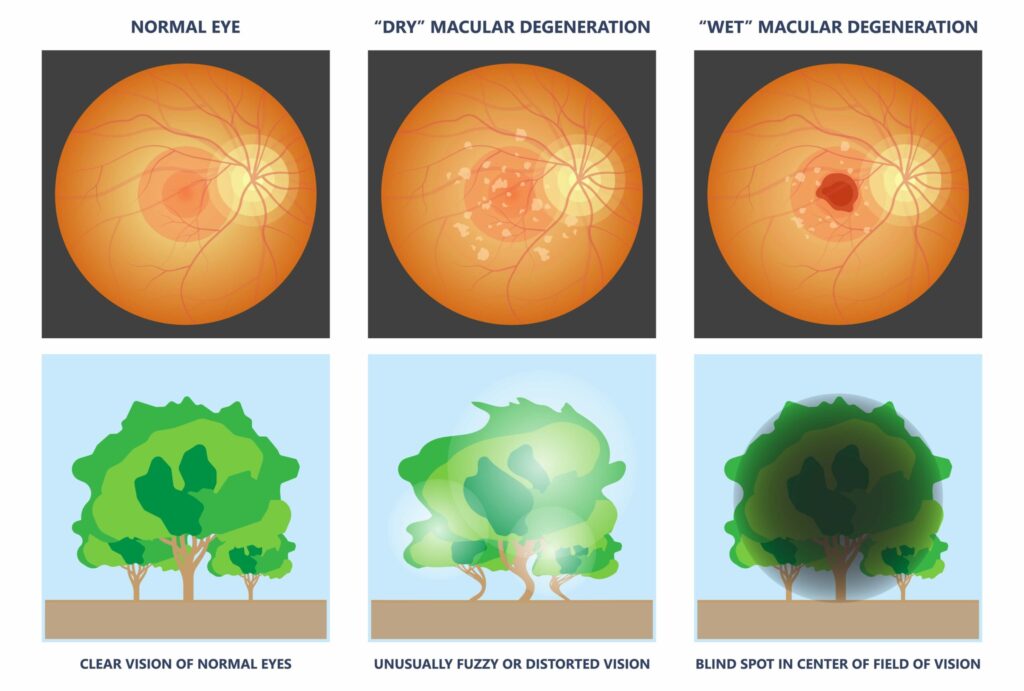
                                                  Age-related macular degeneration is a chronic eye condition that primarily affects the macula—the central part of the retina responsible for sharp, straight-ahead vision. The macula plays a crucial role in tasks such as reading, identifying faces, and seeing fine detail.

                                                  AMD comes in two forms:

                                                  1. Dry AMD (Non-Neovascular):

                                                  This is the most common form, accounting for 80–90% of all cases. It involves gradual thinning of the macula due to aging and the buildup of small yellow deposits called drusen.

                                                  2. Wet AMD (Neovascular):

                                                  Less common but more severe, this type occurs when abnormal blood vessels grow under the retina and leak fluid or blood, rapidly damaging the macula.

                                                  Both types can significantly affect vision, particularly if left untreated. That’s why regular screenings with a macular degeneration specialist are crucial for early intervention.

                                                  Symptoms and Risk Factors of AMD

                                                  AMD progresses slowly in many cases, which means symptoms may go unnoticed until vision is significantly affected. Recognizing the early signs and understanding your risk can help with faster diagnosis and better outcomes.

                                                  Common Symptoms of AMD Include:

                                                  • Blurry or distorted central vision
                                                  • Dark, empty areas in the center of the vision
                                                  • Difficulty recognizing faces
                                                  • Reduced brightness or intensity of colors
                                                  • Need for brighter light when reading or doing close work

                                                  Many of these symptoms overlap with other vision issues, so it’s vital to consult a retina specialist or ophthalmology clinic for accurate diagnosis.

                                                  Key Risk Factors for AMD:

                                                  • Age: The primary risk factor; typically affects those over 50
                                                  • Family history of AMD
                                                  • Smoking, which doubles your risk
                                                  • High blood pressure or cardiovascular issues
                                                  • Obesity and poor diet
                                                  • Excessive exposure to UV light
                                                  • Lack of regular eye check-ups

                                                  If you fall into one or more of these categories, scheduling regular eye exams is essential. At Thind Eye Hospital, we offer comprehensive screening for early signs of AMD, making us a preferred choice for those seeking the best eye hospital in Jalandhar.

                                                  How AMD is Diagnosed

                                                  Diagnosing macular degeneration involves a series of detailed eye examinations. Our ophthalmology clinic uses advanced diagnostic tools to detect early changes in the retina and macula.

                                                  Diagnostic Tests for AMD Include:

                                                  • Dilated Eye Exam: This allows your doctor to view the back of the eye and detect drusen or pigment changes.
                                                  • Amsler Grid Test: Checks for wavy or distorted vision patterns.
                                                  • Optical Coherence Tomography (OCT): Produces high-resolution images of the retina’s layers to detect fluid or thinning.
                                                  • Fluorescein Angiography: Uses dye to detect leaking blood vessels in wet AMD.

                                                  Once a diagnosis is confirmed, your macular degeneration specialist will help you determine the most effective treatment plan.

                                                  Treatment Options and Preventive Measures

                                                  While there is currently no cure for AMD, a number of effective treatments can slow its progression, preserve vision, and improve quality of life—especially when the condition is caught early.

                                                  Treatment for Dry AMD:

                                                  • AREDS Supplements: High-dose formulations of antioxidants and zinc shown to slow progression in intermediate to advanced dry AMD.
                                                  • Lifestyle changes: Quitting smoking, improving diet, managing blood pressure, and exercising regularly.
                                                  • Monitoring progression: Frequent check-ups with your retina specialist.

                                                  Treatment for Wet AMD:

                                                  • Anti-VEGF Injections: These medications (such as Lucentis or Eylea) inhibit abnormal blood vessel growth and leakage.
                                                  • Laser Therapy: Occasionally used to seal leaking blood vessels.
                                                  • Photodynamic Therapy: Combines light and medication to target abnormal vessels.

                                                  Whether you’re dealing with dry or wet AMD, expert guidance from a macular degeneration specialist can make all the difference in slowing the disease and maintaining your vision.

                                                  Schedule a Consultation with Our Macular Degeneration Specialist

                                                  Age-related macular degeneration can be life-altering, but with early detection and expert care, you don’t have to face it alone. At Thind Eye Hospital, our team of highly experienced retina specialists and ophthalmologists is equipped with the latest technologies and evidence-based treatments to manage AMD effectively.

                                                  As the best eye hospital in Jalandhar, we take pride in offering compassionate, personalized care for every patient. Whether you’re experiencing blurry vision or are at risk of AMD due to age or genetics, we are here to help you protect your sight.

                                                  Take Control of Your Vision—Book an Appointment Today

                                                  Don’t wait until symptoms worsen. Early action can preserve your central vision and improve your quality of life. Schedule your eye doctor appointment at Thind Eye Hospital, the trusted name for AMD diagnosis and treatment in Punjab.

                                                  Let our experts provide you with the clarity and confidence you deserve.

                                                  FAQs

                                                  It is recommended to undergo a comprehensive eye examination once every year, even if you have no symptoms. Regular check-ups help detect problems early, especially conditions like cataracts, glaucoma, diabetic eye disease, and refractive errors.

                                                  The right treatment depends on your age, eye condition, corneal health, lifestyle, and overall medical history. At Thind Eye Hospital, every patient receives a detailed diagnostic evaluation using advanced technology.

                                                  Choosing a NABH-accredited center like Thind Eye Hospital ensures you receive care that meets national and international quality standards. It guarantees safety, precision, trained experts, and ethical medical practices, giving patients greater confidence and better clinical outcomes.

                                                  Pregnancy and Vision: How Expecting Mothers Can Maintain Eye Health

                                                  Pregnancy is a transformative period in a woman’s life, accompanied by numerous physical, hormonal, and emotional changes. While most people are aware of the common effects on the body—such as nausea, back pain, and fatigue, fewer realize that pregnancy can also influence vision. Whether temporary or persistent, these changes highlight the importance of eye care during pregnancy. Expecting mothers should not overlook their vision, especially when symptoms may indicate more serious underlying conditions.

                                                  At Thind Eye Hospital, the best eye hospital in Jalandhar, we provide dedicated services to help pregnant women maintain optimal eye health throughout their journey. This guide will help you understand how pregnancy affects the eyes, identify common vision issues, and adopt safe, effective strategies for prevention and care.

                                                  How Pregnancy Impacts Vision

                                                  Pregnancy leads to a surge in hormones such as estrogen and progesterone, which can cause fluid retention, changes in blood circulation, and increased blood volume. These physiological changes may impact the shape and thickness of the cornea, tear production, and even intraocular pressure—factors directly linked to vision.

                                                  Some women experience only minor and temporary visual disturbances, while others may notice significant changes. In many cases, symptoms resolve postpartum, but certain conditions require close monitoring by a certified eye specialist near me to prevent long-term complications.

                                                  Some common ways pregnancy impacts vision include:

                                                  • Blurry vision due to fluid retention altering the curvature of the cornea.
                                                  • Dry eyes, often caused by hormonal changes affecting tear production.
                                                  • Light sensitivity and difficulty focusing.
                                                  • Changes in existing eye prescriptions, which may fluctuate during pregnancy and normalize after delivery.

                                                  It’s important not to ignore these changes and to consult an expert at a reputable eye care clinic if symptoms persist or worsen.

                                                  Common Eye Issues During Pregnancy

                                                  Several eye conditions may either emerge or be exacerbated during pregnancy. Here are the most frequently observed concerns:

                                                  1. Dry Eyes and Irritation

                                                  Hormonal fluctuations during pregnancy can reduce tear production, leading to dryness, itching, and a gritty sensation. This can make wearing contact lenses uncomfortable. Artificial tears recommended by your ophthalmologist can offer relief.

                                                  2. Blurred Vision

                                                  Temporary changes in fluid levels within the eyes can lead to blurry or distorted vision. This condition typically resolves after childbirth, but it is still important to get a professional evaluation, especially if the changes are sudden or severe.

                                                  3. Preeclampsia-Related Vision Changes

                                                  Preeclampsia is a pregnancy-related condition characterized by high blood pressure and can lead to serious vision problems, such as:

                                                  • Temporary loss of vision
                                                  • Seeing flashing lights or floaters
                                                  • Sensitivity to light
                                                  • Double vision

                                                  If any of these symptoms occur, they require emergency eye care and immediate medical attention.

                                                  4. Gestational Diabetes and Diabetic Retinopathy

                                                  Pregnancy-induced diabetes or gestational diabetes can cause or worsen diabetic retinopathy, a condition that affects the retina’s blood vessels. Expecting mothers diagnosed with gestational diabetes should undergo regular retina evaluations at the best eye hospital in Jalandhar.

                                                  5. Migraine-Related Visual Disturbances

                                                  Pregnant women prone to migraines may experience visual auras—brief episodes of flashing lights, blind spots, or zigzag patterns. Although often harmless, they should be reported during your eye doctor appointment to rule out other causes.

                                                  Preventive Measures and Eye Care Tips

                                                  Taking a proactive approach to eye care during pregnancy can make a significant difference in maintaining eye comfort and visual clarity. Here are several preventive tips to consider:

                                                  1. Stay Hydrated

                                                  Proper hydration helps maintain healthy tear production and prevents dry eyes, especially during the second and third trimesters.

                                                  2. Eat a Nutrient-Rich Diet

                                                  Consuming foods high in Vitamin A, C, E, and zinc supports overall eye care during pregnancy. Leafy greens, sweet potatoes, citrus fruits, and fish rich in omega-3 fatty acids are excellent choices.

                                                  3. Rest Your Eyes

                                                  Frequent breaks from digital screens help prevent eye strain. Follow the 20-20-20 rule—every 20 minutes, look at something 20 feet away for at least 20 seconds.

                                                  4. Avoid Over-the-Counter Eye Drops

                                                  Not all eye drops are safe during pregnancy. Always consult your eye care clinic before using any medication or artificial tears.

                                                  5. Monitor Blood Pressure and Sugar Levels

                                                  Routine health checks can help identify preeclampsia or gestational diabetes early, reducing the risk of related vision complications.

                                                  6. Schedule a Professional Eye Exam

                                                  Even if you’re not experiencing symptoms, a routine eye exam is recommended, especially if you have pre-existing conditions like diabetes or high blood pressure. Early detection ensures better treatment outcomes.


                                                  Eye Care Services Offered for Expecting Mothers

                                                  At Thind Eye Hospital, we understand the unique vision challenges that pregnant women may face. Our comprehensive services are designed to provide safe, effective, and personalized care, including:

                                                  • Prenatal eye exams to monitor vision changes and eye health
                                                  • Dry eye evaluations and custom treatment plans
                                                  • Retina scans for gestational diabetes patients
                                                  • Blood pressure-related vision screening
                                                  • Prescription adjustments for temporary refractive changes
                                                  • Safe medication and drop prescriptions suitable for pregnancy

                                                  Our highly experienced ophthalmologists and optometrists work in collaboration with your obstetrician to ensure any eye-related symptoms are managed without compromising the health of the mother or baby.

                                                  Scheduling Consultations with Our Specialists

                                                  If you’re expecting and have noticed changes in your vision, or simply want to ensure your eye health is on track, schedule an appointment with our expert team today. As the best eye hospital in Jalandhar, Thind Eye Hospital offers world-class services and compassionate care in a safe, professional environment.

                                                  Whether you need a routine check-up or specialized eye care during pregnancy, we’re here to support you with advanced diagnostic tools, expert guidance, and personalized treatment plans. Our state-of-the-art eye care clinic is equipped to handle the unique needs of expectant mothers, making us the preferred choice for prenatal vision care.

                                                  Book Your Eye Doctor Appointment Today

                                                  Pregnancy is a time for celebration and care—not just for the baby but also for your own well-being, including your eyes. If you’re searching for a trusted eye specialist near me, look no further than Thind Eye Hospital.

                                                  Don’t wait for symptoms to escalate. Take proactive steps to protect your vision during this important time. Book your eye doctor appointment with Thind Eye Hospital and experience the highest standard of care for both mother and baby.
                                                  FAQs

                                                  It is recommended to undergo a comprehensive eye examination once every year, even if you have no symptoms. Regular check-ups help detect problems early, especially conditions like cataracts, glaucoma, diabetic eye disease, and refractive errors.

                                                  The right treatment depends on your age, eye condition, corneal health, lifestyle, and overall medical history. At Thind Eye Hospital, every patient receives a detailed diagnostic evaluation using advanced technology.

                                                  Choosing a NABH-accredited center like Thind Eye Hospital ensures you receive care that meets national and international quality standards. It guarantees safety, precision, trained experts, and ethical medical practices, giving patients greater confidence and better clinical outcomes.
                                                  Why Children’s Eye Health Is Just as Important as Adult Eye Care

                                                  When we think about eye care, we often focus on adults—those who spend hours staring at digital screens or dealing with age-related vision problems. However, children’s eye health is equally important, if not more so. Many pediatric eye conditions develop silently, and if left undiagnosed, they can lead to permanent vision impairment.

                                                  As a parent, ensuring your child undergoes regular vision screenings is crucial for their overall development, academic success, and daily activities. In this article, we’ll explore the importance of pediatric eye care, common childhood eye problems, and when to schedule an eye doctor appointment with a children’s eye specialist in Jalandhar.


                                                  Why Is Pediatric Eye Care So Important?

                                                  A child’s vision plays a critical role in learning and social development. In fact, 80% of what a child learns is processed through their eyes. Poor eyesight can hinder academic performance, motor skills, and even confidence. Many vision problems in children go unnoticed because kids may not realize they’re experiencing difficulty seeing clearly.

                                                  Some key reasons why children’s eye health deserves attention include:

                                                  • Early Detection of Eye Disorders: Many eye conditions, if treated early, can be corrected without long-term effects.
                                                  • Better Academic Performance: Clear vision is essential for reading, writing, and participating in classroom activities.
                                                  • Prevention of Lazy Eye (Amblyopia): If left untreated, amblyopia can cause permanent vision loss in one eye.
                                                  • Proper Eye Coordination: Some children have issues with eye alignment or focusing, which can affect their daily life.

                                                  Scheduling routine eye exams with the best ophthalmologist specializing in pediatric eye care ensures that potential vision issues are identified and managed at an early stage.

                                                  Common Eye Problems in Children

                                                  Children can develop a variety of eye conditions, some of which require immediate medical attention. Here are some of the most common pediatric eye issues parents should be aware of:

                                                  1. Refractive Errors (Nearsightedness, Farsightedness, and Astigmatism)

                                                  Refractive errors are among the most common childhood vision problems. A child with refractive errors may:

                                                  • Squint frequently
                                                  • Sit too close to the TV or hold books too close
                                                  • Have difficulty reading or seeing distant objects
                                                  • Complain of headaches or eye strain

                                                  A vision screening for kids at an early age can detect these issues, allowing for timely correction with glasses or contact lenses.

                                                  2. Lazy Eye (Amblyopia)

                                                  Amblyopia occurs when one eye is weaker than the other, leading the brain to favor the stronger eye. If untreated, it can result in permanent vision loss. Signs of amblyopia include:

                                                  • One eye drifting inward or outward
                                                  • Poor depth perception
                                                  • Squinting or closing one eye frequently

                                                  Treatment may involve corrective lenses, eye patches, or vision therapy under the guidance of a children’s eye specialist.

                                                  3. Crossed Eyes (Strabismus)

                                                  Strabismus occurs when the eyes do not align properly. Some children are born with it, while others develop it over time. It’s essential to treat this condition early, as untreated strabismus can lead to amblyopia (lazy eye). In severe cases, squint correction surgery may be recommended to restore proper eye alignment.

                                                  4. Eye Flu and Infections (Conjunctivitis)

                                                  Children are more prone to eye flu (conjunctivitis) due to frequent contact with bacteria and viruses. Symptoms include:

                                                  • Red, swollen eyes
                                                  • Excessive tearing
                                                  • Pus or discharge from the eyes
                                                  • Sensitivity to light

                                                  While eye flu treatment usually involves eye drops and maintaining hygiene, it’s best to consult an eye specialist if symptoms persist.

                                                  5. Digital Eye Strain

                                                  With children spending more time on digital screens for online learning, gaming, and entertainment, digital eye strain has become a growing concern. Symptoms include:

                                                  • Dry, irritated eyes
                                                  • Frequent blinking or rubbing
                                                  • Difficulty focusing after screen time

                                                  Parents should enforce the 20-20-20 rule (take a 20-second break every 20 minutes by looking at something 20 feet away) to reduce eye strain.

                                                  When Should Your Child Have an Eye Exam?

                                                  Many parents assume that if their child doesn’t complain about their vision, there’s no need for an eye exam. However, children often don’t realize they have vision problems because they assume everyone sees the same way.

                                                  Here’s a recommended schedule for pediatric eye exams:

                                                  • Newborns – A basic eye check-up at birth.
                                                  • 6 Months Old – A comprehensive pediatric eye exam to rule out congenital issues.
                                                  • 3 to 5 Years Old – Vision screening for common problems like lazy eye or strabismus.
                                                  • Before Starting School (Around Age 6) – Ensures vision is clear for academic learning.
                                                  • Annually After Age 6 – Regular check-ups with an eye specialist to monitor changes in vision.

                                                  If your child shows any signs of vision problems, don’t wait—book an eye doctor appointment immediately.

                                                  How to Choose the Best Pediatric Eye Specialist in Jalandhar

                                                  If you’re looking for the best ophthalmologist for your child’s eye care, consider the following factors:

                                                  • Experience in Pediatric Eye Care: Choose a doctor specializing in treating children.
                                                  • Child-Friendly Approach: Kids can be nervous about eye exams, so a gentle, reassuring specialist is essential.
                                                  • Availability of Advanced Treatments: Ensure the clinic offers squint correction surgery, digital eye strain management, and eye flu treatment if needed.
                                                  • Comprehensive Eye Exams: A well-equipped ophthalmology clinic should provide a full range of eye tests tailored for kids.

                                                  At Thind Eye Hospital, we provide expert pediatric eye care in Jalandhar, ensuring your child’s vision remains sharp and healthy.


                                                  Final Thoughts: Prioritizing Your Child’s Vision Health

                                                  Children’s eye health is just as important as adult eye care. Many childhood vision problems go undetected without regular screenings, leading to difficulties in school and daily activities. Early detection, preventive care, and timely intervention are key to ensuring lifelong healthy vision.

                                                  If your child experiences any vision-related issues, don’t delay. Book an appointment with a children’s eye specialist in Jalandhar at Thind Eye Hospital today and safeguard their future vision.
                                                  Schedule a Child’s Eye Check-Up Today!

                                                  Click Here to Book Your Appointment Now

                                                  FAQs

                                                  It is recommended to undergo a comprehensive eye examination once every year, even if you have no symptoms. Regular check-ups help detect problems early, especially conditions like cataracts, glaucoma, diabetic eye disease, and refractive errors.

                                                  The right treatment depends on your age, eye condition, corneal health, lifestyle, and overall medical history. At Thind Eye Hospital, every patient receives a detailed diagnostic evaluation using advanced technology.

                                                  Choosing a NABH-accredited center like Thind Eye Hospital ensures you receive care that meets national and international quality standards. It guarantees safety, precision, trained experts, and ethical medical practices, giving patients greater confidence and better clinical outcomes.

                                                  Workplace Eye Safety: 5 Expert Tips to Protect Your Vision at Work

                                                  Workplace safety is vital across every profession, yet workplace eye safety is often overlooked. From construction sites filled with flying debris to office spaces dominated by computer screens, your eyes face risks every single day. Without proper protection, these hazards can lead to temporary discomfort or even permanent vision loss.

                                                  At Thind Eye Hospital, we specialize in preventive and corrective eye care with a strong focus on workplace eye safety. Our team provides customized protective eyewear, advanced screenings, and treatment solutions designed to help workers maintain clear, healthy vision.

                                                  workplace eye safety

                                                  Common Workplace Eye Hazards

                                                  Every job carries its own set of eye safety risks. Understanding these hazards is the first step toward effective workplace eye safety.

                                                  • Flying Debris & Particles – Construction and manufacturing workers are exposed to dust, wood chips, and metal shards that can cause corneal abrasions or severe injury.

                                                  • Chemical Exposure – Factory and laboratory employees risk chemical burns and irritation if harmful substances come into contact with the eyes.

                                                  • Radiation & UV Exposure – Welders, outdoor workers, and healthcare professionals using lasers face radiation risks that can damage the eyes over time.

                                                  • Digital Eye Strain – Office workers and IT professionals are prone to headaches, blurred vision, and dryness caused by prolonged screen use.

                                                  • Blunt Trauma Injuries – Tools, machinery, or accidental impact in workplaces can cause retinal damage or vision-threatening trauma.

                                                  How Thind Eye Hospital Enhances Workplace Eye Safety
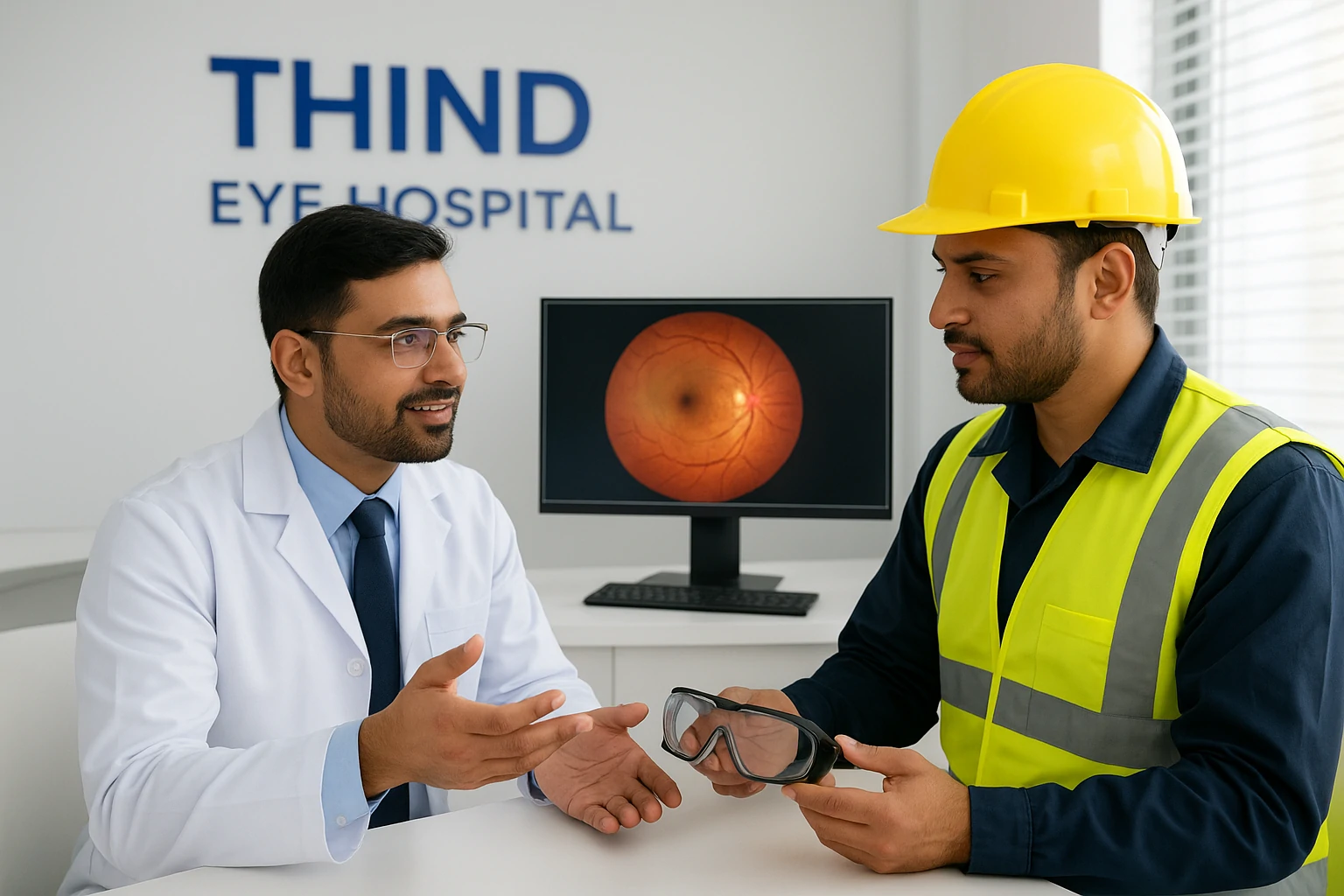
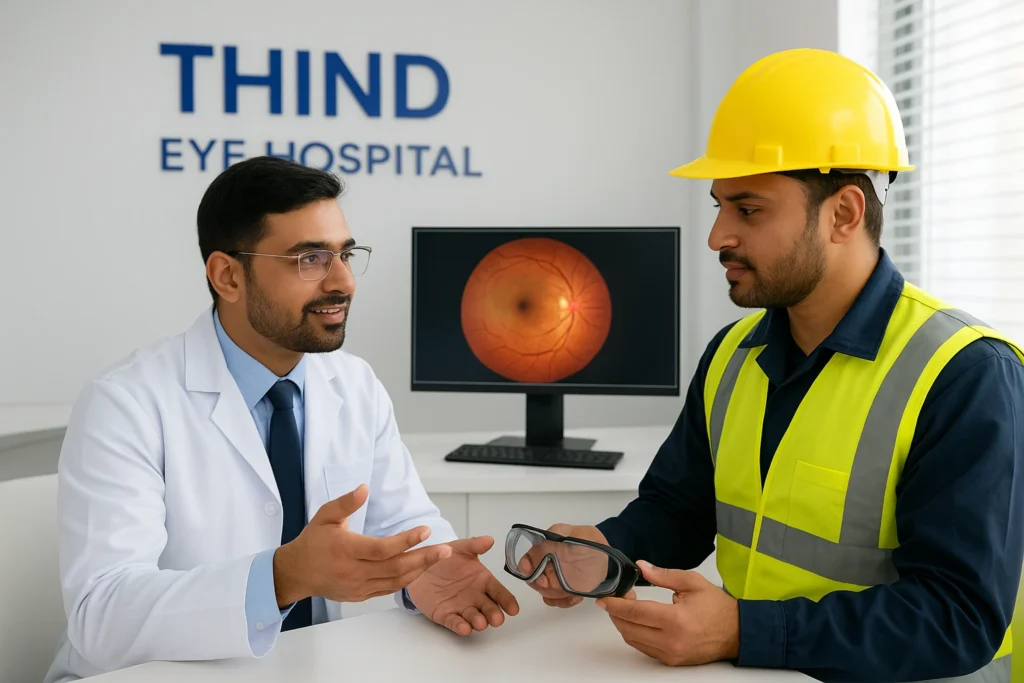
                                                  Our specialists at Thind Eye Hospital combine expertise, advanced technology, and tailored care to protect employees from workplace-related vision issues.

                                                  1. Customized Protective Eyewear: Wearing the right eyewear is the foundation of workplace eye safety. We provide:

                                                  • Safety Goggles – For protection against dust, particles, and chemicals.
                                                  • Impact-Resistant Glasses – Designed for high-risk industries with heavy machinery.
                                                  • UV Protection Sunglasses – For outdoor workers exposed to sunlight and radiation.
                                                  • Blue Light Glasses – For office staff to reduce strain and protect against digital fatigue.

                                                  2. Preventing Long-Term Vision Damage: Constant exposure to harmful environments can lead to conditions like cataracts, macular degeneration, and dry eye syndrome. Our vision screenings help detect early warning signs and allow timely treatment, ensuring lasting eye health.

                                                  3. Boosting Productivity with Clear Vision: Workers struggling with eye strain or poor eyesight often experience reduced efficiency. Our prescription safety glasses are designed to improve clarity, comfort, and workplace performance.

                                                  4. Addressing Digital Eye Strain: For employees who spend long hours on computers, we provide specialized digital eye strain treatment, including blue light-blocking lenses and eye care routines, to ensure long-term protection.

                                                  5. Supporting Workplace Safety Compliance: Employers must prioritize workplace eye safety as part of occupational health. We assist organizations in selecting appropriate protective eyewear and meeting safety regulations to reduce injury risks.

                                                  When to See an Eye Specialist

                                                  Even with the best safety measures, workers shouldn’t ignore eye discomfort. Seek immediate care if you experience:

                                                  • Persistent redness, itching, or irritation
                                                  • Blurred or double vision
                                                  • Sudden loss of vision
                                                  • Sensitivity to light or headaches
                                                  • Pain after chemical exposure or blunt trauma

                                                  At Thind Eye Hospital, our ophthalmologists provide detailed eye exams and treatment plans to restore and protect vision.

                                                  Why Choose Thind Eye Hospital for Workplace Eye Safety?

                                                  We are committed to keeping your eyes safe at work through:

                                                  • Comprehensive Eye Screenings
                                                  • Customized Prescription Safety Glasses
                                                  • Blue Light Protection for Office Workers
                                                  • Advanced Treatment for Eye Injuries
                                                  • Personalized Workplace Eye Safety Consultations

                                                  Take the First Step Toward Safer Vision

                                                  Your eyes are among your most valuable assets. Don’t let workplace risks compromise them. At Thind Eye Hospital, we combine prevention, protection, and treatment to ensure your vision remains clear and strong for years to come.

                                                  Book your workplace eye safety consultation today and safeguard your vision with the trusted experts at Thind Eye Hospital.

                                                  FAQs Regarding Workplace Eye Safety

                                                  Q1. Why is workplace eye safety important?

                                                  Workplace eye safety prevents injuries from hazards like debris, chemicals, radiation, and digital screens. Protecting your eyes reduces the risk of permanent vision loss and improves productivity.

                                                  Q2. What are the most common workplace eye hazards?

                                                  Common hazards include flying particles, chemical exposure, UV radiation, digital eye strain, and blunt trauma. Implementing proper workplace eye safety measures helps reduce these risks.

                                                  Q3. How can I protect my eyes at work?

                                                  Wearing certified protective eyewear, using blue light glasses, and scheduling regular eye exams are essential steps in maintaining workplace eye safety.

                                                  Q4. Can office workers benefit from workplace eye safety?

                                                  Yes. Office employees face digital eye strain from prolonged screen use. Specialized blue light glasses and ergonomic habits help ensure workplace eye safety in desk jobs.

                                                  Q5. Where can I get expert workplace eye safety solutions in Jalandhar?

                                                  Thind Eye Hospital provides personalized workplace eye safety consultations, prescription safety glasses, and advanced treatment for eye injuries in Jalandhar.
                                                  Understanding Macular Degeneration: Risk Factors and Prevention Tips

                                                  Macular degeneration is one of the leading causes of vision loss, particularly in adults over the age of 50. This progressive eye disease affects the macula, the part of the retina responsible for sharp central vision, which is essential for tasks like reading, recognizing faces, and driving.

                                                  At Thind Eye Hospital, recognized as the best eye hospital in and around Jalandhar, our expert specialists provide advanced diagnosis and treatment to manage this condition effectively.

                                                  In this guide, we will explore the causes, risk factors, symptoms, and prevention tips to help you maintain clear vision and eye health.


                                                  What Is Macular Degeneration?

                                                  Macular degeneration, also known as age-related macular degeneration (AMD), is a retinal disease that gradually deteriorates the central vision. The condition typically progresses in two forms:

                                                  1. Dry Macular Degeneration (Non-Exudative)

                                                  • The most common type, affecting about 90% of AMD patients
                                                  • Occurs when light-sensitive cells in the macula break down
                                                  • This leads to gradual central vision loss

                                                  2. Wet Macular Degeneration (Exudative)

                                                  • Less common but more severe
                                                  • Caused by abnormal blood vessels leaking fluid into the retina
                                                  • Can cause sudden and significant vision loss

                                                  Both forms of macular degeneration can cause severe visual impairment, making early detection and treatment by a retina specialist crucial.

                                                  Common Risk Factors for Macular Degeneration

                                                  Several factors increase your risk of developing AMD, including:

                                                  1. Age (Primary Risk Factor)

                                                  • The likelihood of developing AMD increases significantly after age 50

                                                  2. Genetics & Family History

                                                  • If AMD runs in your family, you have a higher risk of developing the condition

                                                  3. Smoking

                                                  • Smokers are two to three times more likely to develop AMD
                                                  • Tobacco use damages retinal blood vessels, leading to faster degeneration

                                                  4. Poor Diet & Nutrition

                                                  • Diets low in antioxidants, omega-3 fatty acids, and essential vitamins contribute to retinal damage
                                                  • High consumption of processed foods and unhealthy fats increases the risk

                                                  5. Hypertension & Cardiovascular Disease

                                                  • High blood pressure restricts blood flow to the retina, accelerating vision loss
                                                  • Poor cardiovascular health also increases AMD risk

                                                  6. Prolonged UV Exposure

                                                  • Excessive UV radiation damages the retina over time
                                                  • Wearing UV-protective sunglasses reduces risk

                                                  7. Obesity & Sedentary Lifestyle

                                                  • Studies show that overweight individuals have a higher risk of AMD
                                                  • Lack of exercise contributes to poor circulation, affecting retinal health

                                                  8. Diabetes & Diabetic Eye Disease

                                                  • Diabetic patients are more likely to develop diabetic eye disease and AMD
                                                  • Diabetic retinopathy can worsen macular degeneration

                                                  If you have any of these risk factors, consult a specialist at Thind Eye Hospital for early screening and prevention strategies.
                                                  Symptoms of Macular Degeneration

                                                  AMD often develops gradually and painlessly, but early detection is essential. Common symptoms include:

                                                  • Blurry vision or difficulty reading
                                                  • Dark or blind spots in the center of the vision
                                                  • Straight lines appearing wavy or distorted
                                                  • Difficulty recognizing faces
                                                  • Increased sensitivity to glare

                                                  If you notice any of these symptoms, schedule an eye exam immediately with a retina specialist at Thind Eye Hospital.

                                                  How to Prevent Macular Degeneration

                                                  While AMD has no definitive cure, several lifestyle modifications can help reduce the risk and slow its progression.

                                                  1. Follow an Eye-Healthy Diet

                                                  A diet rich in antioxidants, omega-3 fatty acids, and essential vitamins can help protect the retina. Include:

                                                  • Leafy greens (spinach, kale, collard greens) – High in lutein and zeaxanthin
                                                  • Fatty fish (salmon, tuna, mackerel) – Rich in omega-3 fatty acids
                                                  • Nuts & seeds (walnuts, flaxseeds, almonds) – Reduce inflammation
                                                  • Citrus fruits (oranges, lemons, berries) – High in vitamin C
                                                  • Carrots & sweet potatoes – Great source of vitamin A

                                                  2. Quit Smoking

                                                  • Reduces oxidative stress on retinal cells
                                                  • Improves blood circulation to the eyes
                                                  • Lowers the risk of wet macular degeneration

                                                  3. Control Blood Pressure & Heart Health

                                                  • Reduce sodium intake
                                                  • Exercise regularly to improve circulation

                                                  4. Wear UV-Protective Sunglasses

                                                  • Block harmful UV rays that accelerate retinal damage
                                                  • Choose sunglasses with 100% UVA & UVB protection

                                                  5. Exercise Regularly

                                                  • Improves blood circulation to the eyes
                                                  • Reduces risk of cardiovascular diseases affecting retinal health

                                                  6. Get Regular Eye Exams

                                                  • Early detection is key to managing AMD effectively
                                                  • Consult a retina specialist or macular degeneration specialist for comprehensive screenings

                                                  At Thind Eye Hospital, we offer advanced diagnostic tools to detect diseases in its early stages, ensuring timely intervention and treatment.

                                                  Treatment Options for Macular Degeneration

                                                  While there is no cure for AMD, several treatment options can help slow progression and improve vision quality.

                                                  1. Anti-VEGF Injections (For Wet AMD)

                                                  • Inhibits abnormal blood vessel growth in the retina
                                                  • Helps prevent vision loss and stabilize eyesight

                                                  2. Low Vision Aids

                                                  • Magnifying glasses, special lenses, and electronic aids help improve visual function

                                                  3. Laser Therapy

                                                  • Used in some cases of wet macular degeneration to seal leaking blood vessels

                                                  4. Cornea Transplant (In Severe Cases)

                                                  • Recommended for patients with severe retinal damage

                                                  Thind Eye Hospital specializes in vision loss treatment, diabetic eye disease management, and cornea transplant surgeries, providing cutting-edge care for AMD patients.

                                                  Protecting Your Vision for the Future

                                                  Macular degeneration is a serious eye disease that can lead to permanent vision loss if left untreated. However, by understanding risk factors, maintaining a healthy lifestyle, and seeking regular eye check-ups, you can protect your vision for years to come.

                                                  At Thind Eye Hospital, our expert macular degeneration specialists and retina specialists provide advanced diagnostics and personalized treatment plans to help patients manage AMD effectively.

                                                  Book an appointment today for a comprehensive eye check-up and take proactive steps toward preserving your vision!

                                                  10 Clear Signs You Need Glasses: Don’t Ignore These Warning Symptoms

                                                  Many people live with vision problems without realizing it. Ignoring blurred vision, eye strain, or frequent headaches can make daily tasks difficult and even lead to long-term damage. Recognizing the signs you need glasses is the first step toward protecting your eye health. At Thind Eye Hospital, we provide expert vision screenings and prescription consultations to help you see clearly and comfortably.


                                                  signs you need glasses


                                                  Common Signs You Need Glasses


                                                  1. Blurry Vision at Any Distance

                                                  If objects appear fuzzy, whether they’re near or far, this is one of the clearest signs you need glasses. Blurriness often indicates:

                                                  • Myopia (Nearsightedness): Trouble seeing distant objects.
                                                  • Hyperopia (Farsightedness): Difficulty focusing on close-up items.
                                                  • Astigmatism: Distorted or unclear vision caused by an irregular cornea.

                                                  If you find yourself squinting to read a book, screen, or road sign, it’s time for a comprehensive eye exam.


                                                  2. Frequent Headaches and Eye Strain

                                                  Constant headaches, especially after screen use or reading, are classic signs that you need glasses. Uncorrected vision problems force your eyes to overwork, leading to fatigue, discomfort, and tension around the temples.


                                                  3. Difficulty Seeing at Night

                                                  If driving at night feels unsafe because of glare or poor visibility, you may be dealing with:

                                                  • Nearsightedness
                                                  • Early cataracts
                                                  • Vitamin A deficiency

                                                  Struggling in dim light is one of the most concerning signs that you need glasses and should be evaluated by a specialist.


                                                  4. Tired, Dry, or Sore Eyes

                                                  Long hours on computers or smartphones often lead to digital eye strain. If your eyes constantly feel tired or irritated, prescription lenses, especially with blue light protection, can reduce the strain.


                                                  5. Double Vision

                                                  Seeing two images of a single object is never normal. It can signal refractive errors, muscle imbalances, or even neurological conditions. Double vision is a red-flag sign that you need glasses and a professional assessment.


                                                  6. Squinting to Focus Clearly

                                                  Squinting might temporarily sharpen your vision, but it also causes eye strain and even facial wrinkles. If you catch yourself squinting often, it’s one of the most obvious signs you need glasses.


                                                  7. Holding Objects Too Close or Too Far

                                                  Moving a book closer to read it? Holding your phone farther away to focus? These habits signal nearsightedness, farsightedness, or presbyopia. All are common signs that you need glasses for clear vision.


                                                  8. Sensitivity to Light

                                                  If bright lights make your eyes ache, you may have astigmatism, cataracts, or another condition affecting your vision. This sensitivity is an overlooked but important sign that you need glasses or specialized lenses, such as prescription sunglasses.


                                                  9. Trouble Reading Small Print

                                                  Struggling to read fine text like menus or phone screens can be a symptom of presbyopia, an age-related condition. Reading glasses or progressive lenses can help. This is one of the most frequent signs you need glasses after age 40.


                                                  10. Redness, Watering, or Irritation

                                                  Chronic irritation doesn’t always mean infection. It could be eye strain or uncorrected vision problems. If discomfort persists, an eye exam can confirm whether these are signs that you need glasses.


                                                  Why You Shouldn’t Ignore the Signs You Need Glasses

                                                  Delaying vision care can result in:

                                                  • Worsening eyesight
                                                  • Increased headaches and fatigue
                                                  • Higher risk of accidents while driving
                                                  • Long-term strain on your eyes

                                                  At Thind Eye Hospital, our specialists provide thorough eye exams and the right prescription to restore clarity and comfort.


                                                  Choosing the Right Glasses for Your Needs

                                                  If your eye test confirms the signs you need glasses, here’s how to pick the best option:

                                                  • Visit a Trusted Optical Store: Look for accurate testing, quality frames, and lens coatings like anti-glare and blue light filters.
                                                  • Select the Right Lens Type:
                                                    • Single-vision lenses for nearsightedness or farsightedness.
                                                    • Computer glasses for screen protection.
                                                  • Consider Contact Lenses: Daily disposables, monthly lenses, or toric lenses for astigmatism.
                                                  • Protect Your Eyes with Special Coatings: Anti-glare, UV protection, and blue light filters enhance comfort and safety.

                                                  Book Your Vision Screening Today

                                                  If you recognize any of these signs, you need glasses; don’t wait until symptoms get worse. At Thind Eye Hospital, we offer comprehensive vision screenings, prescription glasses consultations, and contact lens fittings.

                                                  Clear, healthy vision is essential for daily life, work, and safety. Schedule your appointment today at the best eye care center in Jalandhar.

                                                  FAQs

                                                  Q1. What are the most common signs you need glasses?

                                                  A. Blurred vision, frequent headaches, squinting, eye strain, and trouble reading fine print are the most common signs you need glasses.

                                                  Q2. Can headaches be a sign you need glasses?

                                                  A. Yes. Frequent headaches, especially after reading or screen use, are often signs you need glasses due to uncorrected vision problems.

                                                  Q3. Do children show signs they need glasses?

                                                  A. Children may squint, hold objects very close, or struggle in school. These are important signs kids may need glasses and should be checked by an eye specialist.

                                                  Q4. How often should I get my eyes checked?

                                                  A. Adults should have an eye exam every 1–2 years, or sooner if they notice signs they need glasses. Children should be checked regularly as they grow.

                                                  Q5. Can I choose contact lenses instead of glasses?

                                                  A. Yes. If you show signs you need glasses, contact lenses may be an alternative. An eye doctor can recommend the best option based on your lifestyle and prescription.

                                                  Benefits of SMILE Pro Eye Surgery: The Future of Vision Correction

                                                  When it comes to advanced vision correction, SMILE Pro eye surgery is redefining how people achieve clear, natural eyesight. Safe, minimally invasive, and remarkably precise, SMILE Pro represents the latest evolution in laser eye surgery.

                                                  At Thind Eye Hospital, Jalandhar’s NABH-accredited super specialty eye center, the benefits of SMILE Pro eye surgery go beyond just sharp vision; it’s about safety, comfort, and lasting results. Led by Dr. Jaswant Singh Thind, one of India’s most experienced refractive surgeons, the hospital was among the first in North India to introduce SMILE and SMILE Pro technology, offering patients access to the most advanced form of laser vision correction available.

                                                  In this guide, we’ll explore the advantages of SMILE laser surgery, explain why you should choose SMILE Pro, and highlight the impressive SMILE Pro success rate that has made it a preferred choice worldwide.

                                                  Benefits of SMILE Pro Eye Surgery


                                                  What Is SMILE Pro Eye Surgery?

                                                  SMILE Pro (Small Incision Lenticule Extraction Pro) is a next-generation laser vision correction procedure that reshapes the cornea to fix refractive errors like nearsightedness and astigmatism.

                                                  Unlike traditional LASIK, SMILE Pro doesn’t create a corneal flap. Instead, a femtosecond laser creates a small lenticule (a thin disc) inside the cornea, which is removed through a 2-mm incision. This results in faster healing, less dryness, and superior comfort, making it one of the biggest benefits of SMILE Pro eye surgery.

                                                  Key Benefits of SMILE Pro Eye Surgery

                                                  1. Minimally Invasive and Blade-Free

                                                  One of the main benefits of SMILE Pro eye surgery is that it’s completely flapless and blade-free. Unlike LASIK, which requires creating a corneal flap, SMILE Pro uses a single laser to perform the entire procedure through a micro-incision. This means:


                                                      • Lower risk of flap-related complications

                                                      • Faster healing

                                                      • Greater structural stability of the cornea

                                                    2. Faster Recovery and Less Discomfort: SMILE Pro patients often resume daily activities within 24 hours. The small incision promotes quicker healing and minimal irritation. This smooth recovery experience is one of the leading advantages of SMILE laser surgery, especially for professionals and students with busy schedules.

                                                    3. Reduced Dryness and Improved Comfort: Because SMILE Pro preserves more corneal nerves, it significantly reduces post-surgery dryness, a common complaint among LASIK patients. This makes it ideal for people who spend long hours on screens or live in dry climates.

                                                    4. Suitable for Active Lifestyles: Athletes, military personnel, and people exposed to dust or physical contact benefit greatly from SMILE Pro. With no flap, there’s no risk of dislocation, a major benefit of SMILE Pro eye surgery for those leading active lives.

                                                    5. High Precision and Customization: At Thind Eye Hospital, SMILE Pro surgery is performed using Carl Zeiss VisuMax technology, ensuring micron-level accuracy. The advanced laser system measures your eye’s curvature in real-time, ensuring personalized treatment and consistent outcomes.

                                                    6. High SMILE Pro Success Rate: One of the most compelling reasons why patients choose SMILE Pro is its outstanding success rate. Globally, the SMILE Pro success rate exceeds 98%, with most patients achieving 20/20 vision or better.

                                                    At Thind Eye Hospital, years of experience and cutting-edge technology further enhance these outcomes, offering safety and precision that meet international standards.

                                                    7. Long-Term Stability and Safety: Studies show that visual outcomes remain stable for years after SMILE Pro. The small incision preserves corneal strength and biomechanical stability, minimizing the risk of long-term side effects. This adds to the long-term benefits of SMILE Pro eye surgery for sustained clarity.

                                                    Why Choose SMILE Pro?

                                                    Still wondering why choose SMILE Pro over LASIK or other treatments? Here’s what makes it the future of refractive surgery:

                                                    FactorSMILE ProLASIK
                                                    Incision Size~2 mm~20 mm flap
                                                    InvasivenessFlapless, minimally invasiveFlap-based
                                                    Dry Eyes RiskLowModerate
                                                    Recovery Time24–48 hours2–4 days
                                                    Corneal StabilityHighSlightly reduced
                                                    Comfort LevelSuperiorMild discomfort

                                                    If you’re seeking faster recovery, maximum comfort, and minimal downtime, the advantages of SMILE laser surgery clearly stand out.

                                                    Why Thind Eye Hospital Leads in SMILE Pro Eye Surgery
                                                    1. Pioneer in Refractive Innovations: Thind Eye Hospital was among the first in North India to introduce LASIK (1998) and later blade-free LASIK (2007) before adopting SMILE and SMILE Pro technologies.

                                                    2. Experienced Surgeon: Led by Dr. Jaswant Singh Thind, who has performed the highest number of LASIK, SMILE, and ICL surgeries in India, the hospital combines expertise with compassion.

                                                    3. Global-Standard Technology: The use of Carl Zeiss VisuMax and Schwind Amaris 750S systems ensures precision and safety, producing exceptional outcomes and reinforcing the hospital’s high SMILE Pro success rate.

                                                    4. NABH Accreditation and International Trust: As a NABH-accredited facility, Thind Eye Hospital upholds the highest safety standards, with patients visiting from across Punjab, India, and abroad for SMILE Pro eye surgery.
                                                    Is SMILE Pro Right for You?

                                                    You may be an ideal candidate if you:


                                                        • Are 18 years or older

                                                        • Have stable vision for a year

                                                        • Have mild to moderate myopia or astigmatism

                                                        • Want a flap-free, safe, and comfortable experience

                                                      The specialists at Thind Eye Hospital conduct detailed diagnostic tests to confirm your suitability and explain the benefits of SMILE Pro eye surgery tailored to your eyes.
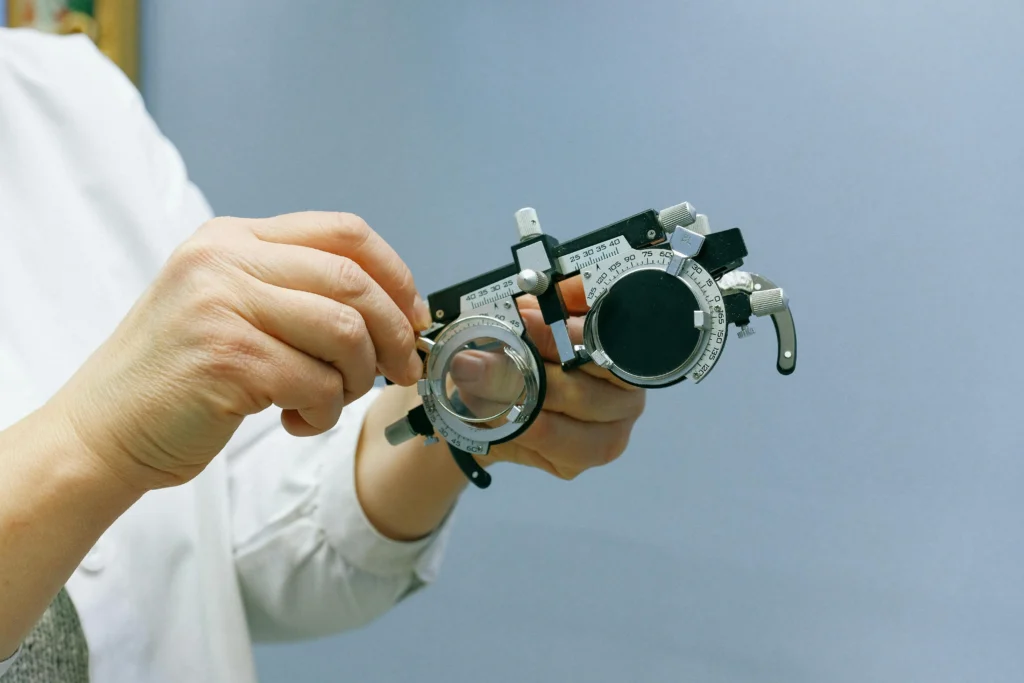
                                                      Conclusion

                                                      The benefits of SMILE Pro eye surgery extend far beyond clearer vision; they include faster recovery, greater comfort, and long-term corneal safety. With a remarkable SMILE Pro success rate, advanced technology, and experienced surgeons, Thind Eye Hospital stands as Punjab’s most trusted destination for SMILE Pro laser surgery.
                                                      If you’re ready to enjoy life without glasses or contact lenses, book your consultation today and experience firsthand why patients choose SMILE Pro for safe, lasting, and crystal-clear vision.

                                                      FAQs

                                                      It is recommended to undergo a comprehensive eye examination once every year, even if you have no symptoms. Regular check-ups help detect problems early, especially conditions like cataracts, glaucoma, diabetic eye disease, and refractive errors.

                                                      The right treatment depends on your age, eye condition, corneal health, lifestyle, and overall medical history. At Thind Eye Hospital, every patient receives a detailed diagnostic evaluation using advanced technology.

                                                      Choosing a NABH-accredited center like Thind Eye Hospital ensures you receive care that meets national and international quality standards. It guarantees safety, precision, trained experts, and ethical medical practices, giving patients greater confidence and better clinical outcomes.

                                                      6 Features to Look for in the Best Sunglasses for Eye Protection

                                                      Sunglasses aren’t just a stylish accessory; they’re a vital tool for keeping your eyes healthy. The best sunglasses for eye protection shield your eyes from harmful ultraviolet (UV) rays, reduce glare, and lower the risk of long-term eye damage. Whether you’re out for a short walk or spending hours under the sun, choosing the right sunglasses is one of the smartest decisions you can make for lifelong vision health.

                                                      At Thind Eye Hospital, Jalandhar’s leading eye care center and trusted optical store, we help patients choose the best sunglasses for eye protection to prevent cataracts, macular degeneration, and other UV-related eye conditions. Here’s your expert guide on what to look for when buying sunglasses.

                                                      best sunglasses for eye protection

                                                      Why Eye Protection Matters

                                                      Just like your skin, your eyes are highly sensitive to UV rays. Without proper sunglasses, prolonged sun exposure can increase your risk of:

                                                      • Cataracts – Clouding of the lens that leads to blurry vision
                                                      • Macular Degeneration – A condition that damages central vision
                                                      • Photokeratitis – Sunburn of the eye, often painful and temporary
                                                      • Pterygium – Tissue growth on the white part of the eye

                                                      Wearing the best sunglasses for eye protection reduces these risks and keeps your vision clear and comfortable.

                                                      Features to Look For in the Best Sunglasses for Eye Protection

                                                      1. 100% UV Protection

                                                      The most important feature of the best sunglasses for eye protection is UV coverage. Look for labels that say “100% UVA and UVB protection” or “UV400”, which block the rays most harmful to your eyes.

                                                      2. Wraparound or Oversized Frames

                                                      Sunglasses with wide or wraparound lenses prevent sunlight from sneaking in at the sides. This design offers full coverage, making it one of the best sunglasses for eye protection for outdoor activities.

                                                      3. Polarized Lenses

                                                      Polarized lenses don’t block UV rays but do reduce glare from reflective surfaces like water, glass, or roads. They make driving and outdoor sports safer and more comfortable.

                                                      4. Lens Color and Tint

                                                      Darker doesn’t always mean better. The best sunglasses for eye protection use tints like grey, green, or brown, which reduce brightness without distorting colors.

                                                      5. Durable and Impact-Resistant Lenses

                                                      Choose scratch-resistant and shatterproof lenses if you spend a lot of time outdoors or in active environments. This adds an extra layer of safety.

                                                      6. Prescription Sunglasses

                                                      If you wear corrective glasses, prescription sunglasses provide the convenience of clear vision with complete UV protection. At Thind Eye Hospital’s optical store, we customize prescription sunglasses that combine vision correction with maximum safety.

                                                      How UV Protection Prevents Serious Eye Diseases

                                                      Long-term UV exposure is a major contributor to cataracts and age-related macular degeneration, two of the leading causes of vision loss worldwide. Since these conditions develop gradually, many people don’t notice symptoms until significant damage has already occurred. That’s why investing in the best sunglasses for eye protection isn’t a luxury; it’s an everyday necessity, especially if you spend long hours outdoors, have a family history of eye disease, or suffer from diabetes.

                                                      Myths About Sunglasses: Debunked
                                                      • Myth 1: Dark lenses protect better.
                                                        Truth: Only sunglasses labeled with 100% UV protection are safe, regardless of color.
                                                      • Myth 2: Sunglasses are for summer only.
                                                        Truth: UV rays are present all year, even on cloudy days.
                                                      • Myth 3: Kids don’t need sunglasses.
                                                        Truth: Children’s eyes are even more sensitive to UV rays and need protection early on.

                                                      Why Choose Thind Eye Hospital for the Best Sunglasses for Eye Protection?
                                                      At Thind Eye Hospital, we combine expert eye care with the best optical store in Jalandhar to guide you toward the right sunglasses for your lifestyle. Here’s what you can expect:
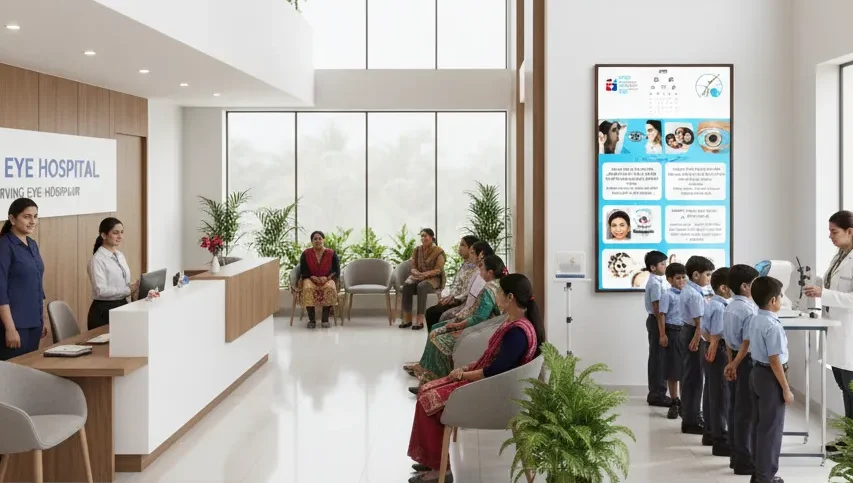
                                                      • Personalized recommendations from trained eye care professionals
                                                      • A curated collection of prescription and non-prescription sunglasses
                                                      • Advanced vision testing before you choose your lenses
                                                      • Protective eyewear for children, athletes, and outdoor workers

                                                      By investing in the best sunglasses for eye protection, you’re taking a simple but powerful step toward preventing vision loss.
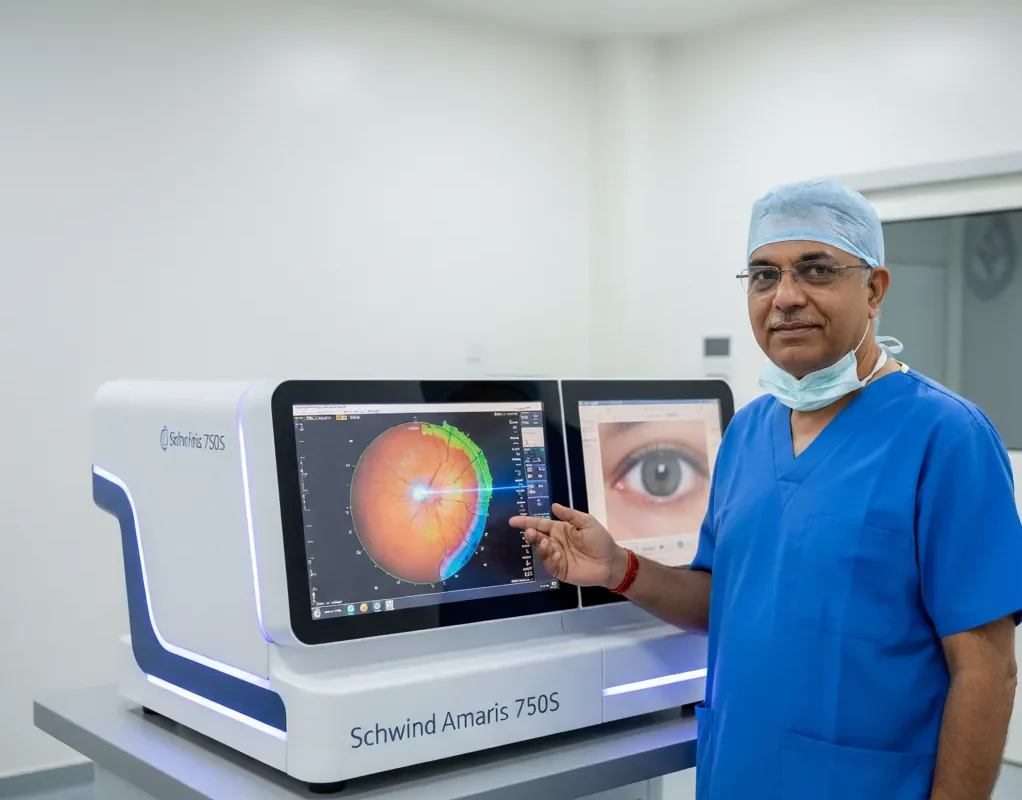
                                                      Protect Your Eyes Today

                                                      Don’t wait until UV damage affects your sight. Whether you’re driving, working outdoors, or enjoying a morning walk, the best sunglasses for eye protection are your everyday shield against long-term eye problems.

                                                      Visit Thind Eye Hospital today to explore our wide range of high-quality sunglasses and get expert advice tailored to your vision needs. Protect your eyes now, and enjoy clearer, healthier vision for years to come.

                                                      FAQ

                                                      Q1. What makes the best sunglasses for eye protection?

                                                      The best sunglasses for eye protection block 100% of UVA and UVB rays, fit well, and may include polarized lenses for glare reduction.

                                                      Q2. Are polarized sunglasses the best sunglasses for eye protection?

                                                      Polarized sunglasses reduce glare but don’t block UV rays. The best sunglasses for eye protection combine polarization with UV400 protection.

                                                      Q3. Do children need the best sunglasses for eye protection?

                                                      Yes. Children’s eyes are more sensitive to UV damage, making sunglasses with full UV protection essential from an early age.

                                                      Q4. Can I get prescription sunglasses for eye protection?

                                                      Absolutely. Prescription sunglasses offer both clear vision and UV protection, making them among the best sunglasses for eye protection for everyday use.

                                                      Q5. Are expensive brands always the best sunglasses for eye protection?

                                                      Not necessarily. The best sunglasses for eye protection are defined by their UV rating, lens quality, and fit, not just the price tag.

                                                      Understanding Presbyopia: Age-Related Vision Changes and Treatment Options

                                                      As people age, vision changes are nearly inevitable. One of the most common age-related vision issues is presbyopia, a condition that affects the eye’s ability to focus on close objects. If you’ve recently found yourself holding reading material at arm’s length or struggling with fine print, presbyopia might be the cause.

                                                      Fortunately, presbyopia treatment options have advanced significantly, offering effective solutions for clear and comfortable near vision. At Thind Eye Hospital, our senior eye care team and the best ophthalmologists in Jalandhar are dedicated to helping patients maintain sharp vision well into their golden years.

                                                      In this article, we’ll explain what presbyopia is, its symptoms, how it can be treated, and what steps you can take to slow its progression.

                                                      1. What Is Presbyopia and How It Affects Aging Adults

                                                      Presbyopia is a natural part of the aging process that typically begins to affect people around the age of 40. It occurs when the lens inside the eye becomes less flexible, making it harder to focus on nearby objects.

                                                      Unlike other refractive errors like myopia (nearsightedness) or hyperopia (farsightedness), presbyopia is not caused by the shape of the eyeball but by the gradual stiffening of the eye’s lens. The condition worsens over time, making it increasingly difficult to perform tasks such as:

                                                      • Reading books or newspapers
                                                      • Using smartphones or computers
                                                      • Sewing, knitting, or doing detailed crafts

                                                      Presbyopia affects everyone eventually, regardless of whether you’ve had perfect vision previously.

                                                      2. Common Symptoms of Presbyopia

                                                      While the onset is often subtle, the symptoms of presbyopia can become bothersome if left unaddressed. Here are some signs that you might need presbyopia treatment:

                                                      • Blurry vision when reading up close
                                                      • Needing to hold reading material farther away
                                                      • Eyestrain or fatigue after prolonged close work
                                                      • Frequent headaches, especially after reading
                                                      • Difficulty reading in dim lighting

                                                      If you’re noticing these issues, it’s time to consult an eye specialist near you. Timely diagnosis can help prevent unnecessary discomfort and enable you to maintain productivity and quality of life.

                                                      3. Treatment Options: Glasses, Contact Lenses, and Surgery

                                                      The good news is that presbyopia is easily manageable. Modern vision correction techniques allow patients to regain clear near vision with a range of customizable solutions.

                                                      • Reading Glasses: These are the simplest solutions for those with otherwise good distance vision. Over-the-counter options are available, but prescription lenses tailored by an eye specialist offer better accuracy and comfort.

                                                      • Bifocal or Progressive Glasses: For individuals who also require distance correction, bifocals or progressive lenses are ideal. Bifocals have two distinct sections for near and distance vision, while progressives offer a more seamless transition between vision zones.

                                                      • Contact Lenses: There are multiple contact lens solutions for presbyopia, including:
                                                        • Multifocal lenses: Allow for distance and near correction within one lens.

                                                        • Monovision contacts: One eye is corrected for distance and the other for near, which the brain learns to coordinate.

                                                      A consultation with our best ophthalmologists at Thind Eye Hospital will help determine which option works best for your eyes and lifestyle.

                                                      • Surgical Options: For those seeking long-term solutions, surgical treatments for presbyopia are becoming increasingly popular.
                                                        • Refractive Lens Exchange (RLE): This involves replacing the eye’s natural lens with an artificial intraocular lens (IOL) similar to cataract surgery.
                                                        • Corneal inlays: Small devices implanted in the cornea to improve near vision.

                                                        • LASIK for Presbyopia: Specialized LASIK procedures can create monovision correction, although this may not be suitable for everyone.

                                                      At our ophthalmology clinic in Jalandhar, we offer advanced diagnostic tools to assess your suitability for these surgical options and ensure you receive the safest and most effective treatment.

                                                      4. Preventing or Slowing the Progression of Presbyopia

                                                      Although presbyopia is a natural part of aging, certain lifestyle habits and care strategies can delay its onset or reduce its impact:

                                                      • Protect Your Eyes from UV Light: Long-term exposure to UV rays can accelerate the aging of the eye’s lens. Wear sunglasses that block 100% UVA and UVB rays.
                                                      • Use Proper Lighting: Avoid reading in dim or excessively bright light, both of which can strain your eyes.
                                                      • Follow the 20-20-20 Rule: Every 20 minutes, take a 20-second break and look at something 20 feet away. This reduces eye fatigue and preserves focusing ability.
                                                      • Eat for Eye Health: Nutrient-rich foods—especially those high in antioxidants, omega-3 fatty acids, and vitamins A, C, and E—support eye health and may slow degenerative changes.
                                                      • Regular Eye Exams: Routine check-ups are vital. Presbyopia is progressive, and your prescription may need frequent updates. Annual visits to an eye specialist near you ensure optimal vision and timely treatment.

                                                      5. Book an Eye Specialist Appointment for Presbyopia Treatment

                                                      At Thind Eye Hospital, our team of the best ophthalmologists provides comprehensive care tailored to the unique needs of aging eyes. Whether you’re just beginning to notice symptoms or are looking for advanced vision correction solutions, we’re here to help.

                                                      We are recognized as a top-tier senior eye care provider in the region, offering:

                                                      • Custom prescriptions for presbyopia
                                                      • High-quality progressive and multifocal lenses
                                                      • Advanced contact lens fittings
                                                      • Surgical consultation for long-term treatment
                                                      • Personalized guidance for eye care in later life

                                                      Take Control of Your Vision Today

                                                      Presbyopia doesn’t mean you have to struggle with daily tasks or give up your favorite hobbies. With the right support and modern treatment options, you can enjoy clear, comfortable near vision at any age.

                                                      Book your eye specialist appointment at Thind Eye Hospital, the trusted choice for presbyopia treatment and senior eye care in Jalandhar.

                                                      FAQs

                                                      It is recommended to undergo a comprehensive eye examination once every year, even if you have no symptoms. Regular check-ups help detect problems early, especially conditions like cataracts, glaucoma, diabetic eye disease, and refractive errors.

                                                      The right treatment depends on your age, eye condition, corneal health, lifestyle, and overall medical history. At Thind Eye Hospital, every patient receives a detailed diagnostic evaluation using advanced technology.

                                                      Choosing a NABH-accredited center like Thind Eye Hospital ensures you receive care that meets national and international quality standards. It guarantees safety, precision, trained experts, and ethical medical practices, giving patients greater confidence and better clinical outcomes.

                                                      How Your Family History of Eye Disease Can Affect Vision: Expert Advice from Thind Eye Hospital

                                                      Your family’s medical history plays a crucial role in determining your risk for various health conditions, including eye diseases. Many vision problems and serious eye conditions have a genetic component, meaning if someone in your family has been diagnosed with an eye disease, you may be at a higher risk of developing it. Understanding the family history of eye disease can help in early detection, prevention, and timely treatment.

                                                      At Thind Eye Hospital, we emphasize the importance of knowing your family’s eye health history to safeguard your vision and that of future generations. A proactive approach to managing the family history of eye disease is essential in preserving long-term visual health.

                                                      family history of eye disease


                                                      Understanding the Importance of Family History in Eye Health and Disease Prevention

                                                      Why Family History Matters in Eye Health

                                                      Genetics significantly influence eye health. While lifestyle factors such as diet, screen time, and UV exposure contribute to eye conditions, hereditary factors often determine susceptibility to diseases like glaucoma, macular degeneration, and retinal disorders. Having a family history of eye disease substantially increases your risk and makes regular monitoring essential.

                                                      If close family members, parents, siblings, or grandparents have had vision problems, it is essential to undergo regular eye checkups with a qualified ophthalmologist to monitor and manage potential risks related to the family history of eye disease.

                                                          • Common Genetic Eye Diseases: Several serious eye conditions are known to run in families. Recognizing them early can make a significant difference in treatment outcomes.

                                                          • Glaucoma: Glaucoma is a leading cause of irreversible blindness, often developing silently until significant damage occurs. Individuals with a family history of eye disease like glaucoma have a four to nine times higher risk of developing the condition. Regular screenings and intraocular pressure tests are essential for early detection and management.

                                                          • Age-Related Macular Degeneration (AMD): Macular degeneration affects central vision and is a primary cause of vision loss in older adults. Genetic factors contribute significantly to the likelihood of developing AMD, especially if a close relative has been diagnosed with it. If there’s a family history of eye disease, early diagnosis through retina exams can slow progression and improve quality of life.

                                                          • Diabetic Eye Disease: While diabetes itself has a genetic component, diabetic eye diseases such as diabetic retinopathy and macular edema can develop as complications. If diabetes runs in your family, annual eye screenings with a retina specialist can help detect and manage potential vision problems related to the family history of eye disease before they become severe.

                                                          • Retinitis Pigmentosa: A rare, inherited disorder, retinitis pigmentosa causes progressive loss of night vision and peripheral vision. Since this condition often starts at a young age, early genetic testing and specialized care can help slow down its progression, especially when there’s a known family history of eye disease.

                                                          • Cataracts: Though often associated with aging, cataracts can also have a genetic link. If your parents or grandparents developed cataracts at an early age, you may be predisposed. In cases involving a family history of eye disease, regular eye exams can help detect cataracts early and determine the right time for surgery.

                                                        How to Protect Your Vision if You Have a Family History of Eye Disease


                                                        While you cannot change your genetic makeup, you can take proactive steps to reduce the risk of developing hereditary eye diseases. A personalized strategy to manage your family history of eye disease can make a significant difference in outcomes.

                                                        Regular Eye Exams with an Ophthalmologist:
                                                        Early detection is key. A comprehensive eye exam at Thind Eye Hospital can help identify risk factors before symptoms appear. People with a family history of eye disease should have annual eye checkups, even if they have no vision complaints.

                                                        Lifestyle Adjustments for Vision Health:

                                                        Eat a Nutrient-Rich Diet: Include foods high in omega-3 fatty acids, lutein, zinc, and vitamin C to protect against vision loss.
                                                        Exercise Regularly: Helps control conditions like diabetes and hypertension, which affect eye health.
                                                        Quit Smoking: Smoking increases the risk of genetic eye diseases, particularly AMD and cataracts.

                                                        Protect Your Eyes from External Damage:

                                                        Wear Sunglasses: Choose UV-protected sunglasses to shield your eyes from harmful rays.
                                                        Limit Screen Time: Follow the 20-20-20 rule (every 20 minutes, look 20 feet away for 20 seconds) to reduce eye strain.
                                                        Use Safety Glasses: If you work in environments with dust, chemicals, or potential eye hazards, wear protective eyewear.

                                                        Monitor for Warning Signs:
                                                        If you experience blurry vision, difficulty seeing in low light, frequent headaches, or sudden vision loss, seek immediate medical attention. These could be early signs of a developing eye condition, especially if there’s a family history of eye disease.

                                                        The Role of Genetic Testing in Eye Care:
                                                        Advancements in medical science now allow for genetic testing to assess the likelihood of developing hereditary eye conditions. If your family has a history of eye disease, consulting a retina specialist at Thind Eye Hospital can help determine if genetic testing is right for you. This knowledge allows for personalized prevention strategies and better management of potential risks.

                                                        Book an Eye Checkup at Thind Eye Hospital


                                                        Understanding your family history of eye disease can help prevent vision loss and detect diseases early. At Thind Eye Hospital, our team of experienced ophthalmologists and retina specialists provides advanced diagnostic tools and personalized treatment plans to ensure optimal eye care.

                                                        Take control of your eye health today. Schedule an appointment at Thind Eye Hospital and protect your vision for the future.

                                                        Top 5 FAQs About Family History of Eye Disease

                                                        Q. Why is my family history important for my eye health?

                                                        A. A family history of eye disease can significantly increase your risk for developing hereditary conditions like glaucoma, macular degeneration, or retinitis pigmentosa.

                                                        Q. How often should I get an eye exam if eye disease runs in my family?

                                                        A. Annual comprehensive eye exams are recommended, even if you have no symptoms, to catch early warning signs related to genetic conditions.

                                                        Q. Can eye diseases be prevented if they are genetic?

                                                        A. While you can’t change your genetics, early detection, lifestyle choices, and regular monitoring can help prevent or delay the onset of many hereditary eye conditions.

                                                        Q. Should I consider genetic testing for eye diseases?

                                                        A. Yes, if you have a strong family history of eye disease. Genetic testing can help you understand your risk and guide preventative care.

                                                        Q. What should I do if I notice symptoms and have a family history of eye disease?

                                                        A. Seek immediate medical attention. Blurry vision, night blindness, or vision loss could indicate an inherited condition requiring prompt care from a retina or eye specialist.

                                                        Early Signs of Cataract: How to Detect Vision Changes Early

                                                        Cataracts develop slowly, often without pain, making them easy to overlook in the early stages. However, identifying the early signs of cataract can help prevent serious vision impairment and ensure timely treatment.

                                                        At Thind Eye Hospital, a NABH-accredited super-specialty center in Jalandhar, early cataract diagnosis and management are handled by leading experts using state-of-the-art technology. Under the guidance of Dr. Jaswant Singh Thind, one of the most experienced cataract surgeons in Punjab, the hospital has helped thousands of patients regain clarity and confidence through timely cataract detection and treatment.

                                                        If you’re noticing vision changes or wondering when to see an eye doctor for cataracts, this article will help you recognize key symptoms of cataracts in Jalandhar and take proactive steps for better eye health.

                                                        What Is a Cataract?

                                                        A cataract is the gradual clouding of the eye’s natural lens, leading to blurred or dim vision. It typically occurs with age but can also result from prolonged UV exposure, diabetes, smoking, or eye injuries.

                                                        In its early stages, the cataract may not cause major vision problems, which is why understanding the early signs of cataract is crucial for timely diagnosis and treatment.

                                                        Early Signs of Cataract You Shouldn’t Ignore

                                                        Recognizing the early signs of cataract can make all the difference in preserving your vision. Here are the most common symptoms to watch for:

                                                        1. Cloudy or Blurry Vision: If your vision appears hazy or blurred, like looking through a fogged-up window, it could be one of the first symptoms of cataract. Early clouding makes it difficult to see fine details clearly.

                                                        2. Increased Sensitivity to Light: Experiencing discomfort or glare while looking at bright lights, sunlight, or headlights at night can indicate developing cataracts.

                                                        3. Faded or Dull Colors: Colors may seem less vibrant, and whites might appear yellowish, one of the subtle early signs of cataract that often goes unnoticed.

                                                        4. Poor Night Vision: If driving at night becomes difficult due to glare or low visibility, it’s time to consider cataract detection in Punjab.

                                                        5. Frequent Prescription Changes: Needing frequent updates to your eyeglass or contact lens prescription is a classic indicator that cataracts may be forming.

                                                        6. Double Vision in One Eye: Seeing double or multiple images in one eye is another early symptom, often caused by irregularities in the clouded lens.

                                                        When to See an Eye Doctor for Cataract

                                                        Many patients delay seeking treatment because early cataracts are painless. However, experts recommend seeing an eye doctor as soon as you notice:


                                                            • Blurry or cloudy vision

                                                            • Difficulty reading or seeing in low light

                                                            • Glare or halos around lights

                                                            • Dull or faded colors

                                                          At Thind Eye Hospital, our specialists perform a detailed eye examination to identify even the faintest early signs of cataract and determine whether surgery or lifestyle management is necessary.

                                                          If you’re in or around Jalandhar, don’t wait; schedule your cataract detection in Punjab early for the best outcomes.

                                                          Cataract Detection and Diagnosis in Punjab

                                                          Modern cataract detection is quick, painless, and highly accurate. At Thind Eye Hospital, patients undergo advanced diagnostic procedures, including:


                                                              • Slit-Lamp Examination: For direct observation of the lens.

                                                              • Retinal Evaluation: To rule out other vision disorders.

                                                              • Visual Acuity Test: Measures sharpness and clarity of vision.

                                                              • Digital Eye Scans: High-resolution imaging to detect even minor opacities.

                                                            These advanced tools help doctors confirm the symptoms of cataract in Jalandhar and decide whether early monitoring or surgical intervention is required.


                                                            Why Early Detection Matters

                                                            Timely detection of the early signs of cataract allows for:


                                                                • Better treatment planning before vision worsens

                                                                • Minimally invasive surgery if required

                                                                • Prevention of complications like secondary eye strain or accidents

                                                                • Improved post-surgical outcomes and quicker recovery

                                                              Delaying diagnosis can result in advanced cataracts that are harder to treat and may significantly impact daily life.

                                                              early signs of cataract


                                                              Advanced Cataract Treatment at Thind Eye Hospital

                                                              Thind Eye Hospital offers the most advanced solutions for cataract management in Punjab, including:

                                                              1. Laser Cataract Surgery (Blade-Free): Performed with Femtosecond Laser technology, this painless, stitchless procedure ensures unmatched precision and safety.

                                                              2. Phacoemulsification Surgery: A micro-incision surgery using ultrasonic energy to remove the cloudy lens is fast, safe, and highly effective.

                                                              3. Premium Intraocular Lens (IOL) Options: Choose from Monofocal, Multifocal, and Toric Lenses for improved post-surgery vision and freedom from glasses. Patients benefit from comprehensive cataract detection in Punjab, advanced diagnostics, and personalized treatment by one of the region’s most trusted surgeons.

                                                              Why Choose Thind Eye Hospital


                                                                  • Over 38 years of experience in cataract and laser eye surgery

                                                                  • First in North India to introduce blade-free cataract surgery

                                                                  • NABH-accredited facility with international recognition

                                                                  • Thousands of successful cataract surgeries each year

                                                                  • Led by Dr. Jaswant Singh Thind, a globally recognized eye surgeon

                                                                Prevention Tips for Cataract

                                                                While cataracts can’t always be prevented, you can delay their onset by:


                                                                    • Wearing UV-protective sunglasses outdoors

                                                                    • Maintaining good blood sugar control (for diabetics)

                                                                    • Avoiding smoking and alcohol consumption

                                                                    • Eating antioxidant-rich foods (leafy greens, carrots, citrus fruits)

                                                                    • Getting regular eye check-ups

                                                                  If you’re over 40, schedule annual eye exams at Thind Eye Hospital to catch the early signs of cataract before they progress.

                                                                  Conclusion

                                                                  Recognizing the early signs of cataract can protect your sight and quality of life. Symptoms like blurry vision, poor night sight, and faded colors are often the first warning signs.

                                                                  At Thind Eye Hospital, Jalandhar’s trusted name in eye care, cataract detection in Punjab is carried out with world-class precision and patient-first care. Led by Dr. Jaswant Singh Thind, one of the region’s most experienced eye surgeons, the hospital ensures accurate diagnosis and advanced treatment options.

                                                                  If you’ve noticed any symptoms of cataract in Jalandhar, don’t delay, book an appointment today and take the first step toward clearer, brighter vision.

                                                                  FAQs on Early Signs of Cataract

                                                                  Cloudy vision, glare, faded colors, and frequent prescription changes are the most common early signs of cataract.

                                                                  Patients often report difficulty seeing at night, double vision, and light sensitivity, all early indicators of cataract.

                                                                  You should consult an ophthalmologist immediately if you experience blurred or dim vision, as these are key early symptoms.

                                                                  At Thind Eye Hospital, cataract detection in Punjab is done through digital imaging, slit-lamp exams, and retinal assessments for early diagnosis.

                                                                  In mild cases, updated glasses and stronger lighting may help temporarily, but surgery is the only long-term solution once cataracts progress.

                                                                  Dr. Jaswant Singh Thind, Chief Eye Surgeon at Thind Eye Hospital, is a leading expert in early cataract detection and advanced laser cataract surgery.

                                                                  Cataract Surgery in Hoshiarpur: Safe, Fast & 100% Blade-Free

                                                                  Blurry vision, faded colours, and difficulty seeing at night, these are early signs of cataracts, a common but treatable condition that can cloud your vision. The good news? Modern technology has made cataract surgery in Hoshiarpur safer, faster, and completely blade-free.

                                                                  At Thind Eye Hospital, a NABH-accredited super-speciality centre, patients now have access to world-class laser cataract operations in Hoshiarpur, performed with cutting-edge precision and minimal downtime. Led by Dr. Jaswant Singh Thind, one of India’s most experienced eye surgeons, the hospital offers advanced cataract care with proven success and faster recovery than ever before.

                                                                  If you’re looking for a trusted, modern, and pain-free cataract solution, this is your guide to Hoshiarpur’s most advanced cataract centre.

                                                                  What Is a Cataract, and Why Surgery Is Needed

                                                                  A cataract occurs when the natural lens of the eye becomes cloudy, leading to reduced clarity and light sensitivity. Common symptoms include:

                                                                      • Blurred or dim vision

                                                                      • Difficulty seeing at night

                                                                      • Sensitivity to glare

                                                                      • Colours appearing faded or yellowed

                                                                    Once cataracts develop, surgery is the only effective treatment. The cloudy lens is replaced with a clear, artificial intraocular lens (IOL), restoring sharp, bright vision.

                                                                    With laser cataract surgery in Hoshiarpur, Thind Eye Hospital ensures maximum precision and comfort throughout the process.

                                                                    Laser Cataract Operation in Hoshiarpur: How It Works

                                                                    Gone are the days of manual cataract surgeries using surgical blades. At Thind Eye Hospital, the entire procedure is performed using femtosecond laser technology, ensuring 100% blade-free precision.

                                                                    Step-by-Step Process:

                                                                        • 3D Eye Mapping: Advanced imaging creates a detailed map of your eye.

                                                                          • Laser Incisions: The femtosecond laser makes precise, computer-guided incisions, no blades involved.

                                                                          • Lens Fragmentation: The laser gently softens and breaks the cataract for easy removal.

                                                                          • Lens Replacement: A premium intraocular lens (IOL) is implanted for clear, long-term vision.

                                                                            This bladeless technique makes laser cataract operations in Hoshiarpur safer, quicker, and more accurate than traditional methods.


                                                                        Why Choose Blade-Free Laser Cataract Surgery?

                                                                        1. 100% Blade-Free Precision: The use of a femtosecond laser eliminates manual cutting, ensuring pinpoint accuracy and minimal trauma to surrounding tissues.

                                                                        2. Painless and Quick Procedure: Surgery typically takes 10–15 minutes per eye, and patients experience no pain, only mild pressure during the procedure.

                                                                        3. Faster Recovery: Thanks to advanced laser cataract surgery, most patients regain clear vision within 24 hours and return to normal activities in 2–3 days.

                                                                        4. Enhanced Safety: Laser-guided accuracy significantly reduces infection risks and complications, making it the safest choice for all age groups.

                                                                        5. Long-Term Vision Clarity: The premium intraocular lenses (IOLs) used at Thind Eye Hospital provide long-lasting visual sharpness with protection against UV rays.

                                                                        No wonder blade-free cataract surgery in Hoshiarpur is fast becoming the gold standard in vision correction.

                                                                        Why Thind Eye Hospital Is Hoshiarpur’s Most Advanced Cataract Center

                                                                        1. Expert Surgeon: Dr. Jaswant Singh Thind: With over 38 years of experience and thousands of successful cataract surgeries, Dr. Thind is a pioneer in laser cataract operations in Punjab. He has introduced several modern ophthalmic techniques in North India.

                                                                        2. NABH-Accredited Excellence: As a NABH-accredited eye hospital, Thind Eye Hospital guarantees top-tier safety, hygiene, and patient care standards.

                                                                        3. Advanced Laser Technology: The hospital uses Femtosecond Laser and Phacoemulsification systems for truly blade-free cataract surgery, the same technology used at leading global eye institutions.

                                                                        4. Personalised IOL Options: Patients can choose from a wide range of Monofocal, Multifocal, and Toric Lenses, each designed for specific vision needs.

                                                                        5. Fast Recovery & Post-Operative Care: Comprehensive follow-up ensures complete recovery and long-term satisfaction.

                                                                        Thind Eye Hospital’s commitment to precision and patient comfort makes it the most trusted advanced cataract center in Hoshiarpur.

                                                                        Benefits of Laser Cataract Surgery in Hoshiarpur

                                                                        Traditional Cataract SurgeryLaser Cataract Surgery (Thind Eye Hospital)
                                                                        Manual incisions using bladesComputer-guided laser incisions
                                                                        More tissue handlingMinimal contact, faster healing
                                                                        Standard lens optionsPremium customized IOLs
                                                                        1–2 week recovery24–48 hour recovery
                                                                        Potential for minor complicationsSafer, highly precise outcomes

                                                                        The difference is clear, laser cataract surgery in Hoshiarpur provides unparalleled precision, comfort, and clarity.

                                                                        Patient Success Story

                                                                        “My father got his laser cataract operation in Hoshiarpur at Thind Eye Hospital. The surgery took just 15 minutes, and his vision was clear the very next day. Truly world-class care right here in our city!”
                                                                        — Ramanjeet Kaur, Hoshiarpur

                                                                        “I was nervous about surgery, but Dr. Thind and his team made the experience smooth and painless. My vision is sharper than ever, highly recommended!”
                                                                        — Harbhajan Singh, Dasuya

                                                                        Cataract Surgery in Hoshiarpur

                                                                        Conclusion

                                                                        With blade-free laser cataract surgery in Hoshiarpur, Thind Eye Hospital brings the best of global ophthalmology to your doorstep. Using advanced femtosecond technology, premium lenses, and decades of surgical expertise, the hospital ensures safe, painless, and fast vision restoration.

                                                                        As the most advanced cataract center in Hoshiarpur, Thind Eye Hospital combines innovation with compassion, making cataract care simpler, safer, and more effective than ever.

                                                                        If you’re ready to see clearly again, book your consultation today and experience the future of laser cataract surgery in Hoshiarpur.

                                                                        FAQs on Cataract Surgery in Hoshiarpur

                                                                        Extremely safe. The hospital uses 100% laser technology and follows strict NABH safety protocols for every procedure.

                                                                        Laser surgery is bladeless, more precise, and ensures faster healing compared to manual methods.

                                                                        Most patients notice improved vision within 24 hours and resume normal activities in 2–3 days.

                                                                        No. The surgery is performed under topical anesthesia and is completely painless.

                                                                        All surgeries are led by Dr. Jaswant Singh Thind, a senior ophthalmic surgeon with 38+ years of experience.

                                                                        Because it combines femtosecond laser technology, NABH accreditation, and decades of proven expertise for world-class outcomes.

                                                                        Diabetic Eye Care in Hoshiarpur: Early Detection for Lifelong Vision

                                                                        Diabetes doesn’t just affect your blood sugar; it can also silently damage your eyesight. Over time, high blood sugar levels can harm the tiny blood vessels in the retina, leading to diabetic retinopathy, one of the leading causes of vision loss among adults.

                                                                        Fortunately, with regular diabetic eye care in Hoshiarpur and early diagnosis, this condition can be managed effectively, helping you maintain clear vision for life.

                                                                        At Thind Eye Hospital, a NABH-accredited super-speciality centre, patients have access to advanced diagnostics, state-of-the-art retinal imaging, and leading retina specialists near you. This combination of expertise and technology ensures timely detection and personalised diabetic eye management for every patient.

                                                                        Why Diabetic Eye Care Is Essential

                                                                        Diabetic eye diseases often progress quietly, showing few or no symptoms in the early stages. By the time vision blurs or dark spots appear, irreversible damage may already have occurred.

                                                                        Regular Diabetic Eye Exams Help To:

                                                                            • Detect diabetic retinopathy early

                                                                            • Monitor retinal blood vessels and macular health

                                                                            • Prevent severe complications like retinal detachment or blindness

                                                                            • Guide timely laser or injection-based treatments

                                                                          Experts recommend that every person with diabetes undergo a comprehensive eye exam at least once a year, even if their vision seems normal.

                                                                          Understanding Diabetic Retinopathy

                                                                          Diabetic retinopathy is a complication of diabetes that affects the retina, the light-sensitive tissue at the back of the eye.

                                                                          Types of Diabetic Retinopathy:

                                                                              • Non-Proliferative Diabetic Retinopathy (NPDR):
                                                                                •  
                                                                                  • Early stage


                                                                                  • Tiny blood vessels leak fluid or blood, causing swelling in the retina.
                                                                              • Proliferative Diabetic Retinopathy (PDR):
                                                                                •  
                                                                                  • Advanced stage


                                                                                  • New abnormal blood vessels form, increasing the risk of retinal bleeding and vision loss.

                                                                            If not treated promptly, both can progress to diabetic macular oedema (DME), swelling of the central retina that causes blurred or distorted vision.

                                                                            Thind Eye Hospital’s specialists are highly experienced in diagnosing and treating all stages of diabetic retinopathy in Hoshiarpur using world-class technology.

                                                                            Warning Signs You Shouldn’t Ignore

                                                                            Even if you don’t notice changes in your eyesight, diabetes can still damage your retina. Seek medical attention immediately if you experience:

                                                                                • Blurred or fluctuating vision

                                                                                • Dark or empty spots in your sight

                                                                                • Difficulty seeing at night

                                                                                • Frequent changes in your glasses prescription

                                                                                • Eye floaters or flashes of light

                                                                              Early evaluation by a retina specialist near you can save your vision and prevent long-term complications.

                                                                              Comprehensive Diabetic Eye Care at Thind Eye Hospital

                                                                              Thind Eye Hospital offers a complete range of diabetic eye care in Hoshiarpur, focusing on early detection, preventive management, and advanced treatment.

                                                                              1. Retinal Screening & Imaging

                                                                              Using advanced diagnostic tools such as:

                                                                                  • Optical Coherence Tomography (OCT): Provides 3D images of retinal layers for detailed analysis.

                                                                                  • Fundus Fluorescein Angiography (FFA): Detects abnormal or leaking blood vessels.

                                                                                  • Digital Fundus Photography: Helps monitor diabetic changes over time.

                                                                                2. Laser Treatment (Photocoagulation): Laser therapy seals leaking vessels and prevents further retinal damage, effectively controlling diabetic retinopathy in Hoshiarpur.

                                                                                3. Anti-VEGF Injections: Used for macular oedema, these injections reduce fluid leakage and swelling in the retina, restoring vision quality.

                                                                                4. Vitrectomy Surgery: In advanced cases, minimally invasive vitreo-retinal surgery helps remove blood or scar tissue from inside the eye to restore sight.

                                                                                5. Ongoing Monitoring & Counselling: Thind Eye Hospital’s diabetic eye program includes regular checkups, lifestyle guidance, and coordination with your diabetologist for comprehensive care.

                                                                                Why Choose Thind Eye Hospital for Diabetic Eye Care in Hoshiarpur

                                                                                1. Expert Retina Specialists: Led by Dr. Kanwaljeet H. Madan and Dr. Sangeet Mittal, both renowned for their excellence in vitreo-retinal care, the hospital provides unmatched expertise for complex diabetic eye conditions.

                                                                                2. Advanced Diagnostic Technology: The hospital uses cutting-edge equipment like OCT, FFA, and laser platforms for accurate and early detection, ensuring no retinal detail goes unnoticed.

                                                                                3. NABH Accreditation & Proven Safety: As a NABH-accredited eye hospital, Thind Eye Hospital guarantees the highest quality of hygiene, safety, and clinical precision.

                                                                                4. Comprehensive Eye Care Under One Roof: From diabetic screening and retina management to cataract and LASIK, all treatments are available locally, so patients no longer need to travel to metro cities.

                                                                                5. Compassionate & Preventive Approach: Thind Eye Hospital focuses on education and early screening, empowering diabetic patients to take control of their vision health.

                                                                                How to Protect Your Eyes from Diabetic Damage

                                                                                Simple Preventive Steps:

                                                                                    • Keep your blood sugar, blood pressure, and cholesterol under control.

                                                                                    • Have regular eye exams every 6–12 months.

                                                                                    • Quit smoking, it worsens blood vessel damage.

                                                                                    • Eat antioxidant-rich foods (green vegetables, fish, citrus fruits).

                                                                                    • Stay active and maintain a healthy weight.

                                                                                  Early intervention can make the difference between lifelong vision and irreversible loss.

                                                                                  Patient Story: From Blurred Vision to Bright Clarity

                                                                                  “I had diabetes for 10 years, but ignored my eye health. During my visit to Thind Eye Hospital, I was diagnosed with early diabetic retinopathy. Thanks to timely laser treatment, my vision is back to normal. The doctors were caring and explained everything in detail.”
                                                                                  — Sukhdev Singh, Hoshiarpur

                                                                                  This story highlights the importance of regular diabetic eye care in Hoshiarpur and the impact of early detection.

                                                                                  diabetic eye care Hoshiarpur

                                                                                  Conclusion

                                                                                  Diabetes may be lifelong, but vision loss doesn’t have to be. With early detection and expert management at Thind Eye Hospital, patients can protect their eyes from diabetic complications.

                                                                                  As the leading centre for diabetic eye care in Hoshiarpur, equipped with advanced imaging and experienced retina specialists, Thind Eye Hospital ensures every patient receives the care they deserve, before it’s too late.

                                                                                  Book your comprehensive diabetic eye screening today and take the first step toward lifelong vision health.

                                                                                  FAQs on Diabetic Eye Care in Hoshiarpur

                                                                                  Because diabetes can cause silent retinal damage long before symptoms appear. Regular screenings help detect and treat problems early.

                                                                                  It’s a diabetes-related condition where high sugar levels damage the retina’s blood vessels, leading to vision loss if untreated.

                                                                                  At least once a year, more frequently if diagnosed with diabetic retinopathy in Hoshiarpur.

                                                                                  Thind Eye Hospital houses top retina specialists like Dr. Kanwaljeet H. Madan and Dr. Sangeet Mittal, experts in diabetic and retinal care.

                                                                                  Early stages can be managed and stabilized with laser or medication. Advanced stages can be treated to preserve remaining vision.

                                                                                  Yes. Thind Eye Hospital offers complete diabetic and retinal eye care with advanced laser systems and diagnostic technology right in Hoshiarpur.

                                                                                  Pediatric Eye Checkups in Hoshiarpur Schools: A Vision for Every Child

                                                                                  Good vision is a gateway to learning, confidence, and success, yet thousands of schoolchildren struggle with undetected eye problems every year. Recognising this, Thind Eye Hospital has taken a proactive step with its pediatric eye checkups in Hoshiarpur schools, ensuring that every child gets the clear vision they deserve.

                                                                                  As part of its community health initiative and school eye camps in Punjab, Thind Eye Hospital, a NABH-accredited super-speciality eye care centre, is reaching classrooms across the district to identify and treat vision issues early.

                                                                                  This initiative not only supports child health but also aligns with the hospital’s broader mission: “A Vision for Every Child.”

                                                                                  Why Pediatric Eye Checkups Matter

                                                                                  Children rely heavily on vision for learning, up to 80% of classroom learning occurs through sight. Unfortunately, many kids don’t realise they have vision issues, and parents may not notice until symptoms become severe.

                                                                                  Common Eye Problems in Children:


                                                                                      • Refractive errors (myopia, hyperopia, astigmatism)

                                                                                      • Lazy eye (Amblyopia)

                                                                                      • Squint (Strabismus)

                                                                                      • Eye allergies or infections

                                                                                      • Digital eye strain

                                                                                    Early detection through pediatric eye checkups in Hoshiarpur helps prevent long-term complications and supports better learning outcomes.

                                                                                    Thind Eye Hospital’s School Eye Camp Initiative

                                                                                    Committed to promoting community health, Thind Eye Hospital regularly organises school eye camps in Punjab, including government and private schools across Hoshiarpur.

                                                                                    Key Features of the Program:


                                                                                        • On-site screenings: Expert optometrists visit schools to examine students’ eyes.

                                                                                        • Visual acuity testing: Identifies nearsightedness, farsightedness, and other refractive errors.

                                                                                        • Refraction and slit-lamp exams: For children needing detailed assessment.

                                                                                        • Awareness sessions: Educating teachers and parents about eye health and hygiene.

                                                                                        • Referral support: Children with eye issues are referred to the hospital for advanced evaluation and treatment.

                                                                                      By combining medical precision with compassion, Thind Eye Hospital ensures that no child’s education is limited by poor vision.

                                                                                      Impact of Pediatric Eye Checkups in Hoshiarpur

                                                                                      1. Early Detection, Better Treatment: Eye issues detected in the classroom can often be corrected completely if treated early. The hospital’s outreach has already helped hundreds of students receive glasses or corrective care.

                                                                                      2. Supporting Educational Growth: Children with clearer vision perform better academically, gain confidence, and participate more actively in learning.

                                                                                      3. Promoting Health Equity: Through free and subsidised school eye camps in Punjab, Thind Eye Hospital extends its services to underprivileged communities, ensuring every child has access to quality child vision care in Hoshiarpur.

                                                                                      4. Empowering Parents & Teachers: By raising awareness about eye health, these camps empower parents and educators to recognise early symptoms like frequent squinting, sitting too close to screens, or difficulty reading.

                                                                                      Thind Eye Hospital: Leading Child Vision Care in Hoshiarpur

                                                                                      1. NABH-Accredited Excellence: Thind Eye Hospital is one of Punjab’s leading NABH-accredited eye care institutions, ensuring international standards of hygiene, safety, and care.

                                                                                      2. Specialized Pediatric Ophthalmology Department: The hospital houses a dedicated team of child eye specialists trained in diagnosing and treating pediatric vision problems.

                                                                                      3. Advanced Diagnostic Technology: Using state-of-the-art screening tools like digital refractometers, retinoscopy systems, and slit-lamp imaging, the hospital ensures accurate, non-invasive testing for children.

                                                                                      4. Community Outreach Programs: In addition to pediatric eye checkups in Hoshiarpur, Thind Eye Hospital organizes free cataract, glaucoma, and diabetic eye screening camps throughout Punjab.

                                                                                      5. Partnerships with Schools & NGOs: Collaborations with local educational institutions and NGOs have expanded the hospital’s reach, ensuring continuity of vision care even in rural communities.

                                                                                      What Parents Should Know About Child Vision Care

                                                                                      Healthy vision is essential for learning and development. Parents should schedule routine eye exams for their children, especially before they begin school or show signs of eye strain.

                                                                                      Signs Your Child May Need an Eye Checkup:


                                                                                          • Frequent squinting or blinking

                                                                                          • Rubbing eyes often

                                                                                          • Complaints of headaches or blurred vision

                                                                                          • Sitting too close to the TV or holding books too close

                                                                                          • Struggling with reading or concentration

                                                                                        If you notice these signs, visit Thind Eye Hospital for specialised child vision care in Hoshiarpur.

                                                                                        Pediatric Eye Checkups in Hoshiarpur

                                                                                        Success Stories from Local Schools

                                                                                        “Over 400 students were screened in a single day during Thind Eye Hospital’s eye camp at our school. Many children received free glasses, and parents were thankful for this life-changing initiative.”
                                                                                        — Principal, Government School, Hoshiarpur

                                                                                        “My son’s vision issue was identified during a free screening camp. We didn’t even know he needed glasses. His grades have improved since then!”
                                                                                        — Neha Sharma, Parent, Hoshiarpur

                                                                                        These stories highlight how small interventions can make a big difference in a child’s future.

                                                                                        Conclusion

                                                                                        With its pediatric eye checkups in Hoshiarpur, Thind Eye Hospital is not only providing exceptional medical care but also building a foundation for healthier, more confident young learners.

                                                                                        Through school eye camps across Punjab, the hospital is ensuring that every child, regardless of background, has the right to clear vision and a brighter future.

                                                                                        By combining compassion, technology, and community service, Thind Eye Hospital is truly leading the way in child vision care in Hoshiarpur and beyond.

                                                                                        FAQs on Pediatric Eye Checkups in Hoshiarpur

                                                                                        Early checkups detect eye problems before they affect learning and help prevent long-term vision impairment.

                                                                                        Experts recommend eye checkups every 6–12 months, especially for school-age children.

                                                                                        Yes. The hospital regularly organizes school eye camps in Hoshiarpur and nearby districts as part of its community outreach.

                                                                                        Yes. Most pediatric eye checkups in Hoshiarpur schools are free, with discounted treatments for children needing glasses or follow-up care.

                                                                                        Children identified with vision issues are referred to Thind Eye Hospital for advanced evaluation and customized care plans.

                                                                                        Schools or institutions can contact the hospital directly to schedule school eye camps in Punjab and participate in this CSR initiative.

                                                                                        LASIK Surgery in Hoshiarpur: Advanced Blade-Free Vision Correction

                                                                                        Clear, spectacle-free vision is no longer a luxury; it’s now within reach for everyone. With the arrival of advanced LASIK surgery in Hoshiarpur, patients can enjoy world-class vision correction without travelling far from home.

                                                                                        At Thind Eye Hospital, a NABH-accredited super-speciality eye hospital, laser eye surgery has entered a new era of safety and precision. Using the Schwind Amaris 750S,  one of the most advanced excimer laser systems in the world, the hospital provides blade-free LASIK in Hoshiarpur for fast, painless, and long-lasting results.

                                                                                        If you’ve been waiting for the right time and technology to correct your vision, Thind Eye Hospital brings both, right here in Hoshiarpur.

                                                                                        What Is LASIK Surgery?

                                                                                        LASIK (Laser-Assisted In Situ Keratomileusis) is a modern vision correction procedure that reshapes the cornea using laser technology to correct common refractive errors such as:

                                                                                        • Nearsightedness (Myopia)
                                                                                        • Farsightedness (Hyperopia)
                                                                                        • Astigmatism

                                                                                        Unlike traditional surgeries, LASIK is painless, stitchless, and performed in minutes, making it the most popular vision correction technique worldwide.

                                                                                        Blade-Free LASIK: The Most Advanced Form of LASIK Surgery in Hoshiarpur

                                                                                        Traditional LASIK involved creating a corneal flap using a blade (microkeratome). In contrast, blade-free LASIK, also known as femtosecond LASIK, uses laser energy to create this flap, completely eliminating the need for blades.

                                                                                        Why Blade-Free LASIK Is Better:

                                                                                        • 100% laser precision
                                                                                        • Faster healing and reduced risk of complications
                                                                                        • No mechanical blades involved
                                                                                        • Ideal for patients with thin or irregular corneas

                                                                                        This painless, all-laser process makes blade-free LASIK in Hoshiarpur the safest and most comfortable way to achieve perfect vision.

                                                                                        Schwind Amaris 750S: The Power Behind Precision

                                                                                        At Thind Eye Hospital, all LASIK procedures are performed using the Schwind Amaris 750S, a German-engineered laser system designed for accuracy, comfort, and speed.

                                                                                        Key Features of Schwind Amaris 750S:

                                                                                        • 6D Active Eye Tracking: Tracks every micro movement of the eye in real time.
                                                                                        • 750 Hz Laser Speed: Allows treatment completion in just a few seconds.
                                                                                        • Thermal Control System: Prevents corneal overheating for safety.
                                                                                        • Wavefront-Guided Customisation: Ensures personalised correction for each eye’s anatomy.

                                                                                        With such precision, Schwind Amaris LASIK in Hoshiarpur ensures better night vision, faster recovery, and outstanding long-term results.

                                                                                        Why Choose Thind Eye Hospital for LASIK Surgery in Hoshiarpur

                                                                                        1. Pioneers in Laser Vision Correction: Dr Jaswant Singh Thind, Chief Eye Surgeon, has over 38 years of surgical experience and has performed the highest number of LASIK, ICL, and SMILE procedures in India.

                                                                                        2. NABH Accreditation & Trusted Reputation: Thind Eye Hospital is a NABH-accredited super-speciality hospital, ensuring the highest quality standards and patient safety.

                                                                                        3. Advanced Blade-Free LASIK Technology: With the Schwind Amaris 750S, Hoshiarpur residents now have access to the same advanced laser technology used in world-class eye hospitals, right in their city.

                                                                                        4. Comfortable, Painless Procedure: LASIK is performed under numbing eye drops. There’s no pain, no stitches, and most patients return home within an hour.

                                                                                        5. Proven Patient Results: Thousands of satisfied patients across Punjab and abroad trust Thind Eye Hospital for their laser vision correction, making it the most trusted name for LASIK surgery in Hoshiarpur.

                                                                                        What to Expect During and After LASIK Surgery

                                                                                        Before Surgery:

                                                                                        • Detailed eye examination
                                                                                        • Corneal thickness and mapping analysis
                                                                                        • Personalised LASIK plan based on vision profile

                                                                                        During Surgery:

                                                                                        • Procedure takes about 10–15 minutes for both eyes
                                                                                        • No blades, no pain, only precision lasers
                                                                                        • Clearer vision within hours

                                                                                        After Surgery:

                                                                                        • Mild dryness or glare may occur briefly
                                                                                        • Vision stabilises within a week
                                                                                        • Full recovery within 3–4 weeks

                                                                                        Following post-surgery instructions ensures optimal results and fast healing.

                                                                                        Benefits of LASIK Surgery at Thind Eye Hospital

                                                                                        • Painless & Safe: 100% laser procedure with zero discomfort
                                                                                        • Fast Recovery: Resume normal activities in 24 hours
                                                                                        • Permanent Vision Correction: Long-lasting results with high accuracy
                                                                                        • Affordable Packages: Transparent pricing and EMI options available
                                                                                        • Global-Standard Technology: Schwind Amaris 750S ensures unmatched precision

                                                                                        LASIK surgery in Hoshiarpur

                                                                                        Conclusion

                                                                                        LASIK surgery in Hoshiarpur has reached global standards, thanks to Thind Eye Hospital’s adoption of blade-free LASIK and the Schwind Amaris 750S system.

                                                                                        Whether you’re nearsighted, farsighted, or tired of contact lenses, Thind Eye Hospital offers precise, painless, and permanent vision correction, performed by the most trusted experts in Punjab.

                                                                                        If you’re ready to see the world clearly, book your consultation today and experience the future of vision correction in Hoshiarpur.

                                                                                        FAQs on LASIK Surgery in Hoshiarpur

                                                                                        The cost varies based on the technology and vision requirements, but Thind Eye Hospital offers affordable packages with flexible payment plans.

                                                                                        Yes. Blade-free LASIK in Hoshiarpur offers higher precision, fewer complications, and faster recovery.

                                                                                        It’s an advanced German laser used for LASIK, offering 6D eye tracking and ultra-fast correction for maximum safety and accuracy.

                                                                                        Most patients return to normal activities within 24 hours, with complete stabilisation in a few days.

                                                                                        Dr. Jaswant Singh Thind, a pioneer in refractive surgery with 38+ years of experience, personally oversees all LASIK procedures.

                                                                                        No. The procedure is painless and done under numbing drops; most patients feel no discomfort at all.

                                                                                        Best Eye Hospital in Hoshiarpur: Why Thind Eye Hospital Leads in Vision Care

                                                                                        When it comes to protecting your vision, experience, technology, and trust matter most. For residents of Hoshiarpur and nearby areas, Thind Eye Hospital stands tall as the best eye hospital in Hoshiarpur, offering world-class care now closer to home.

                                                                                        With 38+ years of surgical excellence, NABH accreditation, and a legacy of innovation, Thind Eye Hospital has expanded its network to bring advanced eye treatments and the region’s top ophthalmologists in Hoshiarpur under one roof.

                                                                                        This article explores what makes Thind Eye Hospital the most trusted destination for comprehensive, high-precision eye care in Punjab.

                                                                                        A Legacy of Excellence in Eye Care

                                                                                        Founded in 1991 by Dr. Jaswant Singh Thind, a pioneer in refractive and cataract surgery, Thind Eye Hospital has grown from a small clinic in Jalandhar to a multi-super specialty NABH eye hospital in Punjab with branches across Hoshiarpur, Pathankot, and Jalandhar.

                                                                                        Over the years, it has earned global recognition for surgical precision, compassionate care, and continuous innovation in ophthalmology.

                                                                                        Key Achievements:

                                                                                            • NABH-accredited multi-speciality eye hospital

                                                                                            • Among the Top 10 Eye Hospitals in India (ICHA ranking)

                                                                                            • First in North India to introduce LASIK (1998) and Blade-Free LASIK (2007)

                                                                                            • Over 1 million successful eye procedures performed

                                                                                            • Serving patients from India, Canada, the UK, and the Middle East

                                                                                          This long-standing legacy makes Thind Eye Hospital synonymous with trust, safety, and modern eye care in Punjab.

                                                                                          Comprehensive Services at Thind Eye Hospital, Hoshiarpur


                                                                                          As the best eye hospital in Hoshiarpur, Thind Eye Hospital offers the full spectrum of ophthalmic treatments under one roof, combining clinical excellence with advanced diagnostics.

                                                                                          1. Cataract & Laser Cataract Surgery: Offering both phacoemulsification and femtosecond laser-assisted cataract surgery, the hospital ensures painless, blade-free, and stitch-less procedures using premium intraocular lenses.

                                                                                          2. Refractive Surgery (LASIK, SMILE, ICL): For those seeking clear vision without glasses, Thind Eye Hospital provides advanced LASIK, SMILE Pro, and Implantable Contact Lens (ICL) surgeries using German-engineered Schwind Amaris 750S lasers.

                                                                                          3. Retina & Vitreo-Retinal Care: Led by expert vitreoretinal surgeons, treatments for diabetic retinopathy, macular degeneration, and retinal detachment are performed with world-class equipment and precision.

                                                                                          4. Glaucoma & Neuro-Ophthalmology Services: Early diagnosis and management of glaucoma are made possible through advanced optic nerve imaging and field analysis systems.

                                                                                          5. Pediatric & Squint Treatment: Specialised care for children ensures healthy visual development, while advanced squint correction techniques restore visual alignment effectively.

                                                                                          With such comprehensive offerings, Thind Eye Hospital truly delivers “All Eye Care Under One Roof.”

                                                                                          Why Thind Eye Hospital Is the Best Eye Hospital in Hoshiarpur


                                                                                          1. NABH-Accredited Excellence:
                                                                                          As a NABH-accredited eye hospital in Punjab, Thind Eye Hospital follows the highest standards of patient safety, sterilisation, and surgical protocols, ensuring world-class care in Hoshiarpur.

                                                                                          2. Team of Top Ophthalmologists in Hoshiarpur: The hospital’s success lies in its team of highly qualified eye specialists, including:

                                                                                              • Dr. Jaswant Singh Thind: Chief Eye Surgeon & Refractive Specialist

                                                                                              • Dr. Sangeet Mittal: Vitreo-Retinal Surgeon

                                                                                              • Dr. Apoorva Mittal: Oculoplasty & Neuro-Ophthalmology Expert

                                                                                              • Dr. Tejinder Nirmal Singh: Glaucoma Specialist

                                                                                            Their combined expertise ensures precise diagnosis, personalised treatment, and excellent surgical outcomes.

                                                                                            3. Advanced Technology That Redefines Eye Care: Thind Eye Hospital’s Hoshiarpur branch offers the same cutting-edge technology available at its flagship Jalandhar campus, including:

                                                                                                • Femtosecond Laser for Cataract

                                                                                                • OCT (Optical Coherence Tomography)

                                                                                                • 3D Retinal Imaging & Digital Phoropters

                                                                                              This ensures that patients no longer need to travel to metro cities, they can now experience advanced LASIK and cataract technology right in Hoshiarpur.

                                                                                              4. Personalised, Patient-Centric Care: Every patient at Thind Eye Hospital receives detailed consultations, transparent pricing, and individualised treatment plans, a hallmark of its trusted reputation.

                                                                                              5. Proven Track Record & Patient Trust: With over 1 million successful eye surgeries, Thind Eye Hospital continues to be the most trusted eye hospital in Hoshiarpur, known for blending compassion with clinical excellence.

                                                                                              Patient Testimonials

                                                                                              “I used to travel to Jalandhar for my father’s cataract checkups. Now that Thind Eye Hospital is in Hoshiarpur, the same world-class care is just 10 minutes away. We couldn’t be happier!”
                                                                                              — Baljit Singh, Hoshiarpur

                                                                                              “I got my LASIK done at Thind Eye Hospital, and the clarity is unbelievable. The doctors are kind, professional, and explain everything thoroughly.”
                                                                                              — Simran Kaur, Hoshiarpur

                                                                                              best eye hospital in Hoshiarpur

                                                                                              Community Eye Care & Social Responsibility

                                                                                              Beyond advanced treatments, Thind Eye Hospital actively contributes to community health by conducting:

                                                                                                  • Free eye screening camps in rural Punjab

                                                                                                  • School eye check-up programs for children

                                                                                                  • Cataract awareness and prevention drives

                                                                                                This outreach reflects the hospital’s mission to make quality eye care accessible to everyone.

                                                                                                Conclusion

                                                                                                Thind Eye Hospital’s presence in Hoshiarpur brings global-standard vision care closer to you. With its NABH accreditation, state-of-the-art technology, and team of top ophthalmologists in Hoshiarpur, the hospital continues to lead Punjab’s eye care revolution.

                                                                                                Whether it’s cataract, LASIK, retina, or pediatric ophthalmology, Thind Eye Hospital is the clear choice for those seeking the best eye hospital in Hoshiarpur.

                                                                                                Book your consultation today and experience the clarity, care, and confidence that thousands of patients already trust.

                                                                                                FAQs on Best Eye Hospital in Hoshiarpur

                                                                                                Because it combines NABH-accredited safety standards, advanced laser technologies, and a team of the top ophthalmologists in Hoshiarpur, offering world-class care locally.

                                                                                                Yes. The hospital offers advanced LASIK and blade-free laser surgeries using the latest Schwind Amaris 750S system.

                                                                                                Yes. It is one of the few NABH-accredited eye hospitals in Punjab, guaranteeing global healthcare standards.

                                                                                                Cataract, LASIK, retina care, glaucoma management, pediatric ophthalmology, and neuro-ophthalmology are all available under one roof.

                                                                                                Yes. The hospital offers transparent, affordable packages for all major eye procedures without compromising on quality or safety.

                                                                                                Blade-Free LASIK Surgery in Punjab: The Future of Vision Correction

                                                                                                For decades, people have relied on glasses or contact lenses to see clearly. Today, that’s changing, thanks to blade-free LASIK surgery in Punjab, one of the safest and most advanced eye treatments in the world.

                                                                                                At Thind Eye Hospital, a NABH-accredited super-speciality eye care centre in Jalandhar, patients enjoy world-class precision powered by Schwind Amaris 750S, Germany’s most advanced laser technology for eye surgery. Under the expert guidance of Dr. Jaswant Singh Thind, a pioneer in refractive surgery, the hospital continues to redefine visual excellence across Punjab and beyond.

                                                                                                If you’re looking for safe, fast, and painless vision correction, bladeless LASIK in Punjab is the future.

                                                                                                blade-free LASIK surgery


                                                                                                What Is Blade-Free LASIK Surgery?

                                                                                                Traditional LASIK uses a microkeratome (a mechanical blade) to create a flap in the cornea. In contrast, blade-free LASIK surgery uses femtosecond laser technology for complete precision, no blade, no manual incisions.

                                                                                                How It Works:

                                                                                                1. A femtosecond laser creates a micro-thin corneal flap with 100% accuracy.
                                                                                                2. The Schwind Amaris 750S excimer laser reshapes the cornea to correct vision errors.
                                                                                                3. The flap naturally reseals itself, no stitches required.

                                                                                                This seamless, computer-guided process eliminates human error and ensures consistently excellent results.

                                                                                                Why Blade-Free LASIK Is the Future of Vision Correction

                                                                                                1. 100% Blade-Free and Painless: Since there are no mechanical blades, bladeless LASIK in Punjab offers a completely pain-free experience. The laser performs the flap creation with unmatched precision.

                                                                                                2. Ultra-Fast and Safe: Each eye takes just 5–10 minutes, and patients can return home the same day. Most notice clearer vision within hours of surgery.

                                                                                                3. Faster Recovery and Stability: Patients can resume regular activities within 24 hours. The advanced laser control minimises tissue disturbance, leading to faster healing.

                                                                                                4. Suitable for Thin Corneas: Many patients who were previously told they couldn’t have LASIK are now eligible for blade-free LASIK surgery in Punjab thanks to the precision of femtosecond technology.

                                                                                                5. Long-Term Results: Studies show blade-free LASIK provides sharper vision and higher stability over time, truly making it the future of vision correction.

                                                                                                Schwind Amaris 750S: The Power Behind Precision

                                                                                                At Thind Eye Hospital, laser precision meets world-class German engineering through the Schwind Amaris 750S system, one of the most advanced LASIK platforms in the world.

                                                                                                Key Features:

                                                                                                • 6D Active Eye Tracking: Tracks even micro eye movements in real-time.
                                                                                                • 750 Hz Repetition Rate: Corrects refractive errors in seconds.
                                                                                                • Wavefront-Guided Treatment: Customizes the laser path for each eye’s unique anatomy.
                                                                                                • Thermal Control: Prevents corneal overheating for safe treatment.

                                                                                                The Schwind Amaris 750S ensures that every procedure at Thind Eye Hospital is precise, quick, and comfortable, setting new benchmarks in advanced LASIK technology.

                                                                                                Why Choose Thind Eye Hospital for Blade-Free LASIK in Punjab


                                                                                                1. Unmatched Surgical Expertise:
                                                                                                Dr. Jaswant Singh Thind, Chief Eye Surgeon, has over 38 years of experience and has performed the highest number of LASIK, ICL, and SMILE surgeries in India.

                                                                                                2. NABH Accreditation & International Recognition: The hospital maintains world-class standards of hygiene and safety, a testament to its leadership in advanced LASIK technology.

                                                                                                3. Personalised LASIK Planning: Every patient receives custom laser correction based on corneal mapping, prescription history, and lifestyle.

                                                                                                4. Proven Patient Results: Thousands of successful procedures and glowing testimonials make Thind Eye Hospital the most trusted destination for bladeless LASIK in Punjab.

                                                                                                Before, During, and After the Procedure


                                                                                                Before Surgery:

                                                                                                • Eye mapping and corneal thickness measurement
                                                                                                • Personalized LASIK plan and consultation

                                                                                                During Surgery:

                                                                                                • Painless procedure under topical anesthesia
                                                                                                • Flap created and reshaped using Schwind Amaris 750S
                                                                                                • Takes less than 15 minutes for both eyes

                                                                                                After Surgery:

                                                                                                • Mild dryness or glare may occur for 1–2 days
                                                                                                • Vision improves significantly within hours
                                                                                                • Full visual clarity achieved in a week

                                                                                                Patients experience a life-changing difference, often calling it the best decision of their lives.

                                                                                                Patient Success Story

                                                                                                “After 12 years of glasses, I finally chose blade-free LASIK surgery in Punjab at Thind Eye Hospital. The care, technology, and professionalism were outstanding. My vision is perfect now!”
                                                                                                — Rohit Sharma, Ludhiana

                                                                                                “The Schwind Amaris laser made the whole process so quick and painless. Dr. Thind and his team truly changed my life!”
                                                                                                — Simran Kaur, Amritsar

                                                                                                Conclusion

                                                                                                Blade-free LASIK surgery in Punjab represents the pinnacle of vision correction, precise, painless, and personalized. Using Schwind Amaris 750S, Thind Eye Hospital continues to lead the way in advanced LASIK technology, offering unmatched safety and accuracy.

                                                                                                If you’re ready to say goodbye to glasses and embrace clear vision, schedule your consultation today at Thind Eye Hospital, the trusted destination for bladeless LASIK in Punjab.

                                                                                                FAQs on Blade-Free LASIK Surgery in Punjab

                                                                                                Blade-free LASIK uses femtosecond laser technology instead of a mechanical blade, ensuring higher safety and accuracy.

                                                                                                No. It’s a completely painless, all-laser procedure performed under numbing eye drops.

                                                                                                It’s a German-engineered laser system used for advanced LASIK technology, offering 6D tracking, fast correction, and customised results.

                                                                                                Anyone over 18 with stable vision and healthy corneas can be eligible after an evaluation at Thind Eye Hospital.

                                                                                                Most patients return to normal activities within 24 hours, with full visual stability in a week.

                                                                                                Because it combines 38+ years of surgical expertise, world-class laser systems, and a record of thousands of successful outcomes.

                                                                                                LASIK Eye Surgery Hospital near Ludhiana: Your Destination for Clear Vision

                                                                                                If you’re tired of glasses or contact lenses and want clear, natural vision, finding a trusted LASIK eye surgery hospital near Ludhiana is your first step.

                                                                                                At Thind Eye Hospital, one of Punjab’s leading NABH-accredited super-specialty centers, patients experience world-class laser vision correction powered by precision technology and decades of expertise. Led by Dr. Jaswant Singh Thind, a pioneer in refractive and laser eye surgery, the hospital is a preferred choice for patients seeking LASIK in Ludhiana, Punjab, and neighboring areas.

                                                                                                This article will guide you through what makes Thind Eye Hospital the top destination for LASIK surgery near you, including its advanced technology, safe procedures, and long-term results.

                                                                                                What Is LASIK Eye Surgery?

                                                                                                LASIK (Laser-Assisted In Situ Keratomileusis) is a quick and painless procedure that reshapes the cornea using an excimer laser to correct common vision problems such as:


                                                                                                    • Nearsightedness (Myopia)

                                                                                                    • Farsightedness (Hyperopia)

                                                                                                    • Astigmatism

                                                                                                  With just a few minutes per eye, LASIK delivers long-term freedom from glasses, making it one of the most trusted solutions for laser eye surgery in Punjab.

                                                                                                  Why Choose Thind Eye Hospital for LASIK Eye Surgery near Ludhiana?

                                                                                                  1. Decades of Surgical Excellence: Dr. Jaswant Singh Thind, MBBS, MS Ophthalmology, is one of India’s most experienced LASIK and refractive surgeons with over 38 years of surgical expertise and the highest number of LASIK, ICL, and SMILE procedures performed in India.

                                                                                                  2. Cutting-Edge Laser Technology: Thind Eye Hospital uses the Schwind Amaris 750S, one of the world’s most advanced excimer laser systems. This ensures:


                                                                                                      • 6D eye tracking for absolute accuracy

                                                                                                      • Ultra-fast ablation speed (750 Hz)

                                                                                                      • Wavefront-guided customization for sharper vision

                                                                                                      • Blade-free, painless procedure

                                                                                                    This combination of precision and comfort makes it the most advanced LASIK eye surgery hospital near Ludhiana.

                                                                                                    3. NABH-Accredited Excellence: Being a NABH-accredited hospital, Thind Eye Hospital follows global standards of hygiene, technology, and patient safety, making it a trusted center for laser eye surgery in Punjab.

                                                                                                    4. High Success Rates & Patient Satisfaction: Thousands of patients across Ludhiana, Jalandhar, and the rest of Punjab have chosen Thind Eye Hospital for LASIK due to its consistent results, superior aftercare, and fast recovery.

                                                                                                    Types of LASIK Offered at Thind Eye Hospital

                                                                                                    1. Blade-Free LASIK (Femtosecond LASIK): This all-laser technique eliminates the need for a blade, offering 100% precision and faster healing, a popular choice for those seeking LASIK in Ludhiana, Punjab.

                                                                                                    2. Customized LASIK (Wavefront-Guided): Tailored to each patient’s corneal profile, customized LASIK enhances night vision and visual contrast.

                                                                                                    3. Contoura Vision LASIK: The most advanced form of LASIK available, it uses corneal topography to deliver personalized laser correction, ensuring maximum sharpness.

                                                                                                    Each procedure is designed for comfort, accuracy, and long-term clarity, which is why Thind Eye Hospital stands out among LASIK surgery hospitals near Ludhiana.

                                                                                                    Benefits of LASIK Eye Surgery at Thind Eye Hospital


                                                                                                        • Quick, painless, and blade-free

                                                                                                        • Immediate visual improvement, most patients see clearly within hours

                                                                                                        • Fast recovery, resume daily activities within 24–48 hours

                                                                                                        • Permanent vision correction with high success rates

                                                                                                        • Affordable options for every budget

                                                                                                      When choosing LASIK surgery near you, safety and surgeon experience matter most, and Thind Eye Hospital delivers both.

                                                                                                      Who Can Get LASIK in Ludhiana, Punjab?

                                                                                                      You may be a good candidate for LASIK if you:
                                                                                                      – Are over 18 years of age
                                                                                                      – Have a stable prescription for at least one year
                                                                                                      – Have healthy corneas and no major eye diseases
                                                                                                      – Want long-term, spectacle-free vision

                                                                                                      If you have thin corneas or are not suitable for LASIK, Thind Eye Hospital also offers ICL (Implantable Contact Lens) and SMILE Pro, other modern options for laser eye surgery in Punjab.

                                                                                                      What to Expect After LASIK Surgery

                                                                                                      Recovery Timeline:


                                                                                                          • Day 1: Mild dryness or light sensitivity

                                                                                                          • Day 2: Vision clears up significantly

                                                                                                          • 1 Week: Most patients return to full routine

                                                                                                          • 1 Month: Complete stabilization of vision

                                                                                                        Post-Surgery Care:


                                                                                                            • Use prescribed drops as directed

                                                                                                            • Avoid rubbing eyes for a week

                                                                                                            • Wear sunglasses outdoors

                                                                                                            • Attend follow-up appointments for progress tracking

                                                                                                          These simple steps ensure smooth recovery and long-term success after your LASIK eye surgery near Ludhiana.

                                                                                                          LASIK eye surgery hospital near Ludhiana


                                                                                                          Why Patients from Ludhiana Choose Thind Eye Hospital

                                                                                                          Located just an hour away from Ludhiana, Thind Eye Hospital in Jalandhar is renowned across Punjab for its cutting-edge LASIK technology and high surgical precision.

                                                                                                          Patients choose Thind because it offers:


                                                                                                              • Experienced surgeons and advanced infrastructure

                                                                                                              • Affordable LASIK packages

                                                                                                              • Transparent pricing with no hidden costs

                                                                                                              • Personalized treatment plans

                                                                                                            With thousands of satisfied patients, it’s no surprise that Thind Eye Hospital is regarded as the best LASIK eye surgery hospital near Ludhiana.

                                                                                                            Conclusion

                                                                                                            When it comes to vision correction, you deserve the safest and most advanced care. Thind Eye Hospital, with its state-of-the-art Schwind Amaris technology and decades of expertise, is the top choice for LASIK in Ludhiana, Punjab.

                                                                                                            Whether you’re searching for LASIK surgery near me or simply want trusted laser eye surgery in Punjab, Thind Eye Hospital delivers precision, safety, and lasting clarity, helping you see the world in high definition again.

                                                                                                            FAQs on LASIK Eye Surgery Hospital near Ludhiana

                                                                                                            Thind Eye Hospital in Jalandhar is the leading center for LASIK in Ludhiana, Punjab, offering advanced technology and trusted surgeons.

                                                                                                            It’s extremely safe when performed by experienced surgeons. Thind Eye Hospital uses the Schwind Amaris 750S laser system for precision and safety.

                                                                                                            The surgery takes about 10–15 minutes for both eyes, and most patients notice improved vision within a few hours.

                                                                                                            Costs vary based on technology and lens type, but Thind Eye Hospital offers affordable, transparent pricing with easy EMI options.

                                                                                                            Yes. Once your corneal shape is corrected, the results are permanent for most patients, with vision stabilizing in a few days.

                                                                                                            Dr. Jaswant Singh Thind, with over 38 years of experience, personally performs LASIK and other refractive surgeries with exceptional success rates.

                                                                                                            ICL Surgery in Jalandhar: Safe & Reversible Vision Correction Without LASIK

                                                                                                            If you’re not eligible for LASIK but dream of clear, spectacle-free vision, ICL surgery in Jalandhar might be your perfect solution.

                                                                                                            At Thind Eye Hospital, Punjab’s NABH-accredited super-specialty eye center, patients have access to advanced Implantable Contact Lens surgery in Punjab, a safe, reversible, and effective option for vision correction. Led by Dr. Jaswant Singh Thind, one of India’s most experienced refractive surgeons, the hospital has performed the highest number of ICL procedures in the country.

                                                                                                            This guide explains what ICL surgery is, how it works, its benefits over LASIK, and why Thind Eye Hospital is a trusted destination for those seeking vision correction without LASIK.

                                                                                                            What Is ICL Surgery?

                                                                                                            ICL (Implantable Collamer Lens) surgery involves placing a specially designed lens inside the eye, between the natural lens and the iris, to correct refractive errors such as myopia (nearsightedness), hyperopia (farsightedness), and astigmatism.

                                                                                                            Unlike LASIK, which reshapes the cornea, ICL adds a corrective lens, making it reversible, non-invasive, and ideal for patients with thin corneas or dry eyes.

                                                                                                            How It Works:


                                                                                                                1. A microscopic incision is made to insert the foldable ICL.

                                                                                                                1. The lens unfolds naturally and sits behind the iris.

                                                                                                                1. The procedure takes 10–15 minutes per eye.

                                                                                                                1. Vision improvement is almost immediate.

                                                                                                              This painless process makes ICL surgery in Jalandhar one of the most preferred modern alternatives for vision correction without LASIK.

                                                                                                              Who Is Eligible for ICL Surgery in Jalandhar?

                                                                                                              You may be a good candidate for ICL if you:

                                                                                                              – Have a stable eye power for at least one year
                                                                                                              – Have thin or irregular corneas unsuitable for LASIK
                                                                                                              – Suffer from dry eyes or intolerance to contact lenses
                                                                                                              – Are between 18 and 45 years of age
                                                                                                              – Desire permanent, reversible vision correction

                                                                                                              Thind Eye Hospital conducts detailed pre-surgery assessments, including corneal mapping, anterior chamber depth measurement, and eye pressure checks, to ensure safety and suitability for Implantable Contact Lens surgery in Punjab.

                                                                                                              Why Choose ICL Surgery Over LASIK?

                                                                                                              FeatureICL SurgeryLASIK Surgery
                                                                                                              Corneal ReshapingNoYes
                                                                                                              ReversibilityFully ReversiblePermanent
                                                                                                              Suitability for Thin CorneasIdealNot Suitable
                                                                                                              Dry Eye RiskMinimalModerate
                                                                                                              Visual QualityExcellent (HD clarity)Excellent
                                                                                                              Recovery Time24–48 Hours24 Hours

                                                                                                              ICL offers vision correction without LASIK, making it perfect for patients who aren’t LASIK candidates but want equally sharp vision or even better.

                                                                                                              Benefits of ICL Surgery in Jalandhar

                                                                                                              Choosing ICL surgery in Jalandhar at Thind Eye Hospital comes with several life-changing benefits:

                                                                                                              1. Reversible & Safe: The implanted lens can be removed or replaced anytime, unlike LASIK, which permanently alters the cornea.

                                                                                                              2. Perfect for Thin Corneas: ICL doesn’t require corneal reshaping, making it the safest option for patients with thin or irregular corneas.

                                                                                                              3. No Dry Eyes or Discomfort: Since no tissue is removed, patients experience fewer post-surgery dryness or irritation issues.

                                                                                                              4. High-Definition Vision Quality: The ICL provides crystal-clear vision with enhanced contrast sensitivity, often surpassing LASIK results.

                                                                                                              5. Quick Recovery: Most patients notice dramatic improvement within 24 hours and return to normal activities within 1–2 days.

                                                                                                              6. Long-Term Stability: ICLs are designed to stay in place without degradation, ensuring consistent, long-lasting vision correction.

                                                                                                              These benefits make Implantable Contact Lens surgery in Punjab a popular choice for people looking for safer, flexible, and long-term visual clarity.

                                                                                                              Technology Behind ICL Surgery at Thind Eye Hospital

                                                                                                              Thind Eye Hospital uses the latest-generation EVO Visian ICL™ lenses, globally trusted for their precision and performance.

                                                                                                              Technological Highlights:


                                                                                                                  • Biocompatible Collamer® material that’s gentle on the eye

                                                                                                                  • UV protection built into the lens

                                                                                                                  • Microincision technique for stitch-less surgery

                                                                                                                  • Advanced imaging systems for precise lens sizing and placement

                                                                                                                This advanced technology ensures that ICL surgery in Jalandhar delivers exceptional results with unmatched safety.

                                                                                                                Post-Surgery Care and Recovery

                                                                                                                At Thind Eye Hospital, post-surgery care is as important as the procedure itself.

                                                                                                                Recovery After ICL Surgery:


                                                                                                                    • Day 1: Slight blurriness, mild discomfort possible

                                                                                                                    • Day 2: Clearer vision, less irritation

                                                                                                                    • 1 Week: Normal routine and sharp vision restored

                                                                                                                    • 1 Month: Final follow-up and vision stability

                                                                                                                  Post-Operative Care Tips:


                                                                                                                      • Use prescribed antibiotic and lubricating drops regularly

                                                                                                                      • Avoid rubbing your eyes or doing heavy workouts for a week

                                                                                                                      • Wear sunglasses outdoors

                                                                                                                      • Attend scheduled follow-up appointments

                                                                                                                    With the hospital’s expert guidance, patients enjoy a smooth, quick recovery after Implantable Contact Lens surgery in Punjab.

                                                                                                                    ICL Surgery in Jalandhar


                                                                                                                    Why Choose Thind Eye Hospital for ICL Surgery in Jalandhar?

                                                                                                                    1. Expert Surgeon: Dr. Jaswant Singh Thind is India’s first eye surgeon to perform the highest number of ICL, LASIK, and SMILE procedures.

                                                                                                                    2. NABH-Accredited Facility: The hospital’s NABH accreditation ensures adherence to international standards of hygiene, safety, and clinical excellence.

                                                                                                                    3. Advanced Equipment: Thind Eye Hospital uses high-end topography systems, anterior segment OCTs, and ICL sizing software, ensuring precise outcomes.

                                                                                                                    4. Proven Results: Thousands of successful ICL surgeries in Punjab make Thind Eye Hospital a trusted choice for vision correction.

                                                                                                                    5. Holistic Eye Care: Beyond refractive surgery, the hospital offers cataract, corneal, and retinal treatments, making it a one-stop solution for eye health.

                                                                                                                    Conclusion

                                                                                                                    If you’re looking for permanent, reversible, and safe vision correction without LASIK, ICL surgery in Jalandhar is your answer. At Thind Eye Hospital, patients receive customized, world-class care backed by decades of expertise and cutting-edge technology.

                                                                                                                    Led by Dr. Jaswant Singh Thind, the hospital remains a leader in Implantable Contact Lens surgery in Punjab, offering life-changing clarity and confidence. Book your consultation today and step into a world of sharp, spectacle-free vision, safely and permanently.

                                                                                                                    FAQs on ICL Surgery in Jalandhar

                                                                                                                    ICL surgery involves implanting a soft, biocompatible lens inside the eye to correct vision without reshaping the cornea. It’s safe, quick, and reversible.

                                                                                                                    ICL doesn’t remove corneal tissue. It’s ideal for people with thin corneas, dry eyes, or high prescriptions, offering vision correction without LASIK.

                                                                                                                    Most patients regain clear vision within 24 hours, with full recovery in about one week.

                                                                                                                    It’s reversible. The lens can be safely removed or replaced anytime if needed.

                                                                                                                    Dr. Jaswant Singh Thind, Chief Eye Surgeon at Thind Eye Hospital, is among India’s most experienced ICL specialists.

                                                                                                                    Yes. It’s performed with precision using advanced technology and is FDA-approved for long-term safety and effectiveness.

                                                                                                                    Blade-Free LASIK Surgery in Punjab: Safe, Painless, and Precision-Driven

                                                                                                                    If you’re tired of relying on glasses or contact lenses, it’s time to consider blade-free LASIK surgery in Punjab, the safest and most advanced way to achieve perfect vision.

                                                                                                                    At Thind Eye Hospital, Jalandhar’s NABH-accredited super-specialty eye care center, patients benefit from world-class laser systems and decades of surgical expertise. Under the guidance of Dr. Jaswant Singh Thind, one of India’s most experienced refractive surgeons, the hospital leads the region in bladeless LASIK in Punjab and state-of-the-art vision correction techniques.

                                                                                                                    In this guide, we’ll explore how advanced LASIK surgery works, the benefits of blade-free technology, and why Thind Eye Hospital’s Schwind Amaris LASIK in Punjab is transforming lives every day.

                                                                                                                    What Is Blade-Free LASIK Surgery?

                                                                                                                    Traditional LASIK surgery involves creating a thin flap in the cornea using a mechanical blade (microkeratome). However, in blade-free LASIK surgery, this step is performed entirely with a femtosecond laser, eliminating the need for any blade contact with the eye.

                                                                                                                    How It Works:

                                                                                                                      • A femtosecond laser creates a precise corneal flap.
                                                                                                                      • An excimer laser reshapes the cornea to correct refractive errors.
                                                                                                                      • The flap is gently repositioned, no stitches required.

                                                                                                                      1.  

                                                                                                                      1.  

                                                                                                                      This technique ensures maximum accuracy, safety, and comfort, making blade-free LASIK surgery in Punjab the preferred choice for modern vision correction.

                                                                                                                      Why Choose Blade-Free LASIK Surgery in Punjab?

                                                                                                                      1. 100% Blade-Free Precision: The biggest advantage of bladeless LASIK in Punjab is that it’s completely laser-driven; there’s no surgical blade, reducing complications and improving safety.

                                                                                                                      2. Quick and Painless Procedure: The entire procedure takes about 15 minutes for both eyes, and patients can walk out seeing clearly within hours.

                                                                                                                      3. Fast Recovery and Long-Lasting Results: Most patients resume normal activities within 24 hours, with stable, long-term vision.

                                                                                                                      4. Customized for Every Eye: Using Schwind Amaris technology, Thind Eye Hospital offers personalized laser treatments based on each patient’s corneal topography, ensuring precise correction for even complex prescriptions.

                                                                                                                      5. Perfect for Active Lifestyles: Because the cornea heals naturally without stitches, blade-free LASIK surgery in Punjab is ideal for athletes, professionals, and anyone seeking hassle-free, clear vision.


                                                                                                                      Advanced LASIK Surgery: How Technology Enhances Outcomes

                                                                                                                      Thind Eye Hospital uses the Schwind Amaris 750S, one of the world’s fastest and most advanced excimer laser systems, known for its precision, comfort, and consistent results.

                                                                                                                      Schwind Amaris LASIK in Punjab Offers:

                                                                                                                          • 750 Hz laser frequency for ultra-fast reshaping

                                                                                                                          • 6D eye-tracking for pinpoint accuracy

                                                                                                                          • Thermal control system to protect the cornea

                                                                                                                          • Wavefront-guided customization for individual correction

                                                                                                                        This innovation sets a new benchmark in advanced LASIK surgery, delivering exceptional vision clarity with minimal recovery time.

                                                                                                                        Benefits of Blade-Free LASIK Surgery in Punjab

                                                                                                                            • No blade, no fear: 100% laser procedure eliminates mechanical risks.

                                                                                                                            • Painless experience: Performed under numbing drops, no discomfort.

                                                                                                                            • High precision: Custom-guided lasers ensure perfect corneal reshaping.

                                                                                                                            • Immediate results: Noticeable vision improvement within hours.

                                                                                                                            • Safe for thin corneas: Better control over flap thickness.

                                                                                                                            • Stable and lasting outcomes: Decades of proven success rates.

                                                                                                                          With its perfect blend of comfort and technology, blade-free LASIK surgery in Punjab offers unmatched freedom from glasses.

                                                                                                                          Who Can Opt for Blade-Free LASIK?

                                                                                                                          You may be a suitable candidate for bladeless LASIK in Punjab if you:

                                                                                                                              • Are over 18 years old

                                                                                                                              • Have a stable prescription for at least one year

                                                                                                                              • Have healthy corneas and no major eye diseases

                                                                                                                              • Want to reduce or eliminate dependence on glasses or contact lenses

                                                                                                                            Patients with thin corneas, dry eyes, or higher prescriptions are often better candidates for blade-free LASIK than traditional LASIK due to its precision and safety.

                                                                                                                            Why Thind Eye Hospital Is the Leader in Blade-Free LASIK Punjab

                                                                                                                            1. Expertise You Can Trust: Dr. Jaswant Singh Thind, with 38+ years of surgical experience, has performed the highest number of LASIK, SMILE, and ICL surgeries in India.

                                                                                                                            2. World-Class Laser Technology: Thind Eye Hospital was the first in North India to introduce LASIK (1998) and later adopted Schwind Amaris LASIK in Punjab for next-level precision.

                                                                                                                            3. NABH Accreditation & Safety Standards: The hospital meets international standards of hygiene and care, ensuring patients experience the safest advanced LASIK surgery in Punjab.

                                                                                                                            4. Proven Results and Global Trust: With patients visiting from the U.S., Canada, Europe, and the Middle East, Thind Eye Hospital is recognized worldwide for its superior outcomes and compassionate care.

                                                                                                                            Post-Surgery Care and Recovery

                                                                                                                            Recovery Timeline:

                                                                                                                                • Day 1: Mild dryness or light sensitivity may occur.

                                                                                                                                • 24 Hours: Vision becomes clear and stable.

                                                                                                                                • 1 Week: Return to full normal activities.

                                                                                                                                • 1 Month: Vision fully stabilizes; final check-up recommended.

                                                                                                                              Aftercare Tips:

                                                                                                                                  • Use prescribed eye drops regularly.

                                                                                                                                  • Avoid touching or rubbing your eyes.

                                                                                                                                  • Wear protective glasses outdoors.

                                                                                                                                  • Limit screen time for 2–3 days post-surgery.

                                                                                                                                Following these steps ensures faster and smoother recovery after your blade-free LASIK surgery in Punjab.

                                                                                                                                Blade-free LASIK surgery in Punjab

                                                                                                                                Conclusion

                                                                                                                                Blade-free LASIK surgery in Punjab represents the future of safe, accurate, and painless vision correction. Using the most advanced laser technology, the Schwind Amaris 750S, Thind Eye Hospital has established itself as the top destination for bladeless LASIK in Punjab.

                                                                                                                                Led by Dr. Jaswant Singh Thind, a pioneer in advanced LASIK surgery, the hospital delivers exceptional outcomes with minimal downtime and maximum comfort. If you’re ready to experience life without glasses, Thind Eye Hospital is your trusted partner for Schwind Amaris LASIK in Punjab, where technology meets excellence.

                                                                                                                                FAQs on Blade-Free LASIK Surgery in Punjab

                                                                                                                                It’s a 100% laser-based procedure that reshapes the cornea without using surgical blades, offering maximum precision and faster recovery.

                                                                                                                                Yes. Bladeless LASIK in Punjab provides higher accuracy, fewer complications, and a faster healing process compared to traditional methods.

                                                                                                                                The hospital uses the Schwind Amaris LASIK system in Punjab, a cutting-edge German laser platform known for its precision and customization.

                                                                                                                                The procedure takes about 10–15 minutes for both eyes, with vision improvement noticeable within 24 hours.

                                                                                                                                Dr. Jaswant Singh Thind, Chief Eye Surgeon at Thind Eye Hospital, is widely recognized as one of India’s most experienced LASIK specialists.

                                                                                                                                It offers superior precision, reduced dryness, faster recovery, and personalized correction for clearer, sharper vision.

                                                                                                                                Extending a Hand of Care During Punjab Flood Relief

                                                                                                                                When the recent floods devastated parts of Punjab, countless families were left struggling with loss and uncertainty. At Thind Eye Hospital, we believe that healthcare extends beyond our walls, it is about standing with our community in times of need.

                                                                                                                                In response to the crisis, our hospital team organized a Flood Relief Activity to provide essential support and medical assistance to those affected. Our doctors, staff, and volunteers came together to distribute food, medicines, clean water, and other essentials, while also offering on-ground medical check-ups to ensure timely care.

                                                                                                                                This initiative reflects our commitment to not only safeguard vision but also to contribute to the overall well-being of our people. We are deeply grateful to everyone who supported and stood by us in making this possible.


                                                                                                                                At Thind Eye Hospital, we remain dedicated to healing with compassion and serving with responsibility, especially when our community needs us the most.