Top 10 Questions to Ask Before Choosing an Eye Hospital in Punjab

If you are searching for the top 10 eye hospital in Punjab, do not rely on rankings alone. Instead, compare hospitals using practical questions about comprehensive eye examinations, specialist access, experience, location and follow-up. This checklist helps you assess an eye hospital in Punjab against criteria that matter for your eye care.
Top 10 Questions to Ask Before Choosing an Eye Hospital in Punjab


1. Does the Eye Hospital Offer Comprehensive Eye Examinations?

A good eye hospital comparison in Punjab should begin with the scope of an eye examination.

A comprehensive eye examination assesses more than spectacle power. It includes:

  • Visual acuity
  • Refraction
  • Examination of the front of the eye
  • Intraocular pressure
  • Dilated retinal examination, where indicated

This matters because an eye examination should assess eye health, not only whether you need glasses.

If you are unsure whether your vision changes suggest a need for glasses, read about signs you need glasses.

2. Does It Have Access to Eye Specialists?

The second question in any best eye hospital Punjab list should be about specialist care.

An optometrist assesses vision and helps with glasses or contact lenses. An ophthalmologist is a medical doctor who diagnoses and treats eye diseases.

Ask whether the hospital provides access to specialists for different eye conditions. This becomes particularly relevant if you have diabetes, a family history of glaucoma or other eye health concerns.

A person with diabetes needs a dilated retinal examination at least once a year, even when vision seems normal.

3. How Much Experience Does the Hospital Have?

Hospital experience is another useful factor in your eye hospital comparison in Punjab.

Thind Eye Hospital was founded in 1991 by Dr. Jaswant Singh Thind, Chief Eye Surgeon and Chairman cum Managing Director. He completed his MS Ophthalmology from King George’s Medical College, Lucknow, in 1986.

The hospital brings more than 39 years of expertise in eye care. It sees more than 1,00,000 patients every year and has performed more than 4,00,000 surgeries to date.

You can learn more about Dr. Jaswant Singh Thind.

4. Does the Hospital Understand Preventive Eye Care?

The top 10 eye hospital in Punjab should not simply be judged by treatment options. Regular eye examinations are also important.

Adults with no symptoms and no risk factors are generally advised to have a comprehensive eye examination every one to two years. More frequent examinations are advised from the age of 40, when the risk of glaucoma and other conditions rises.

Anyone with a family history of glaucoma should be examined regularly from an earlier age. Glaucoma is often symptomless until advanced.

Presbyopia, the age-related loss of near focus, typically begins in the forties. It is a normal change rather than a disease.

5. Does It Provide Retinal and Diabetes-Related Eye Care?

Retinal care is an important question for your eye hospital comparison in Punjab.

People with diabetes need a dilated retinal examination at least once a year, and sooner if advised. This applies even when vision seems normal.

Ask whether the hospital has access to appropriate retinal assessment and specialist care.

Thind Eye Hospital launched a fully equipped Vitreo-Retinal department in 1999. This is one of the hospital’s specific milestones that you can consider when comparing eye care providers.

6. Can You Access the Right Care at a Convenient Location?

Location matters, particularly when eye care involves regular examinations or follow-up.

Thind Eye Hospital has branches in Jalandhar, Ludhiana, Hoshiarpur and Pathankot. This gives patients across Punjab access to the hospital through multiple locations.

When comparing an eye hospital in Punjab, check the branch location, consultation availability and whether the specialist you need is available at that location.

Convenience should support your care rather than replace clinical considerations.

7. What Should You Know About Follow-Up and Dilated Examinations?

Ask what you should expect after a dilated retinal examination.

Dilating drops blur near vision and increase light sensitivity for several hours. It helps to arrange transport home after a dilated examination.

This is a simple practical question, but it can make your visit easier to plan.

You should also ask how often follow-up examinations are advised for your particular eye health needs.

8. Does the Hospital Address Everyday Eye Health?

Your best eye hospital Punjab list should also consider advice for everyday eye health.

Prolonged screen use is associated with dry eye and eye strain because blink rate falls. Regular breaks, adequate lighting and the correct working distance reduce symptoms.

Ultraviolet exposure is linked to cataract and pterygium. Sunglasses with proper UV protection therefore matter in the Punjab climate.

These are useful points to discuss during an eye examination, particularly if you spend long periods using screens.

9. Does the Hospital Have a Broader Eye Care Scope?

A multi superspeciality hospital can be useful when different types of eye care need to be assessed.

Thind Eye Hospital is a multi superspeciality eye hospital with branches in Jalandhar, Ludhiana, Hoshiarpur and Pathankot.

The hospital has introduced several ophthalmic developments over its history. It was the first eye hospital in North India to introduce LASIK laser vision correction in 1998. It was also the first eye hospital in India to perform ICL surgery in 2001.

The hospital introduced 100% blade-free cataract surgery with laser in 2013.

These specific milestones provide useful information when evaluating the hospital against your own requirements.

10. Can You Access the Hospital Easily Across Punjab?

The final question is practical: can you reach the hospital and arrange your consultation conveniently?

Thind Eye Hospital has four Punjab branches:

  • Jalandhar
  • Ludhiana
  • Hoshiarpur
  • Pathankot

The hospital also conducts community eye care camps for rural populations and school eye health checkup programmes for children.

It has a standing policy that eye treatment is never denied to a needy person.

Patients also travel to the hospital from the US, Canada, Europe, Australia, Asia and the Middle East.

How to Use This Eye Hospital Comparison in Punjab

A top 10 eye hospital in Punjab search should help you compare providers, not simply produce a ranking.

Use these ten questions to create your own checklist:

  1. Is the eye examination comprehensive?
  2. Are appropriate specialists available?
  3. What experience does the hospital have?
  4. Does it support preventive eye care?
  5. Is retinal and diabetes-related care available?
  6. Is the location convenient?
  7. Is follow-up clearly explained?
  8. Does the hospital address everyday eye health?
  9. Does it provide a broad range of eye care?
  10. Can you access its services conveniently?

The American Academy of Ophthalmology provides patient information on eye health. The National Programme for Control of Blindness and Visual Impairment also provides eye health information for India.

These sources can provide additional background while you assess your options.

What Should You Do Next?

If you are comparing the top 10 eye hospital in Punjab options, use the questions above before making your decision. Look at the scope of examination, specialist access, hospital experience and practical access.

Thind Eye Hospital has branches in Jalandhar, Ludhiana, Hoshiarpur and Pathankot. If you want to discuss your eye care needs, you can book an appointment.

Use the same checklist for every provider you consider. The right eye hospital in Punjab is one that matches your clinical needs and makes appropriate eye care accessible to you.

This article provides general information about eye health and eye care services. It is not medical advice and does not replace a consultation with a qualified ophthalmologist. Symptoms vary between individuals. Please consult a licensed eye specialist before acting on any information here.

FAQs

 

Eye Flu Symptoms: How to Recognise Viral Conjunctivitis Early

Eye flu symptoms usually include redness, watering, grittiness and discharge. Eye flu is commonly used for viral conjunctivitis, an infection that spreads through contact. Knowing these signs can help you recognise the problem early and take sensible steps to reduce its spread.

Eye Flu Symptoms How to Recognise Viral Conjunctivitis Early


What Are the Common Eye Flu Symptoms?


Viral conjunctivitis, commonly called eye flu, affects the surface of the eye. The typical eye flu symptoms are easy to notice, but they should not be used alone to confirm the cause.

Common viral conjunctivitis symptoms include:

  • Redness of the eye
  • Watering
  • A gritty feeling
  • Discharge

Eye flu spreads through contact. Good hand hygiene and avoiding shared towels help limit its spread.

If someone in your household has eye flu, avoid touching your eyes after contact with them. Wash your hands regularly and do not share towels.

How Eye Flu Symptoms May Differ From Other Eye Problems

Not every red or watery eye is caused by viral conjunctivitis. Other eye problems can produce different symptoms and require different care.

For example, a stye is an infection of an eyelid gland that causes a painful lump. A painless, persistent lump is more likely to be a chalazion.

This is why an eye examination is useful if you are unsure about your symptoms.

Eye Flu Symptoms and How Viral Conjunctivitis Spreads


One of the important features of eye flu is how easily it spreads through contact.

Viral conjunctivitis can spread when infected material comes into contact with another person’s hands or surfaces. Hand hygiene and not sharing towels limit the spread.

If you have eye flu symptoms, take simple precautions around family members and others.

Steps to limit spread
  • Wash your hands regularly.
  • Avoid sharing towels.
  • Avoid unnecessary contact with your eyes.
  • Maintain good hand hygiene after touching your face.

These steps are particularly useful when redness, watering, grittiness and discharge are present.

The World Health Organization’s eye care information provides broader information about vision and eye health. The American Academy of Ophthalmology also provides information about eye conditions and eye care.

What Is the Right Eye Flu Treatment?


The right eye flu treatment starts with identifying the cause. Viral conjunctivitis does not respond to antibiotic drops because antibiotics do not treat viral conjunctivitis.

You should also avoid self-medication with steroid eye drops. Steroid drops can be harmful and should never be started without examination.

This is important because a red eye does not automatically mean you have viral conjunctivitis. An eye specialist can assess your symptoms and determine the appropriate care.

Should you use antibiotic drops?

No. Antibiotic drops do not treat viral conjunctivitis.

Do not start steroid drops on your own either. They can be harmful when used without an examination.

If your symptoms are not clear or are getting worse, arrange an eye examination instead of choosing eye drops yourself.

When Should Eye Flu Symptoms Be Checked?

Most cases of eye redness and watering should be assessed based on the full set of symptoms. Some changes require more urgent attention.

Pain with redness and reduced vision is always a reason for same-day assessment. Most sudden changes in vision need examination rather than home management.

You should seek urgent examination if you develop:

  • Pain with redness and reduced vision
  • Sudden painless loss of vision in one eye
  • New floaters with flashes of light
  • A curtain across your vision
  • Double vision of sudden onset

Sudden painless loss of vision in one eye is an emergency. It can indicate retinal detachment, retinal vascular occlusion or optic nerve disease.

New floaters with flashes, a curtain across vision or sudden double vision also need urgent examination rather than waiting.

These symptoms do not confirm a particular condition. They are reasons to seek prompt professional assessment.

Eye Flu or Another Common Eye Problem?

Understanding the difference between common symptoms can help you decide when an examination is needed.

Eye flu

Typical eye flu symptoms are redness, watering, grittiness and discharge. Viral conjunctivitis spreads through contact, so hand hygiene and not sharing towels help limit its spread.

Stye

A stye is an infection of an eyelid gland that causes a painful lump. Warm compresses and lid hygiene are the usual first measures.

A painless, persistent lump is more likely to be a chalazion. An examination can help assess an eyelid lump that does not settle.

Blurred vision

Blurred vision has many causes, including refractive error, dry eye, cataract, diabetic retinopathy, glaucoma and corneal disease. The pattern and speed of onset guide the diagnosis.

If you are unsure whether blurred vision is related to your spectacle power, read about signs you need glasses.

What Does an Eye Examination Involve?

A comprehensive eye examination assesses more than spectacle power. It includes visual acuity, refraction, examination of the front of the eye, intraocular pressure and, where indicated, a dilated retinal examination.

An optometrist assesses vision and helps with glasses or contact lenses. An ophthalmologist is a medical doctor who diagnoses and treats eye diseases.

An examination is particularly important if symptoms are unusual, persistent or associated with reduced vision.

For people with sudden changes in vision, examination is preferred over home management. Pain with redness and reduced vision always requires same-day assessment.

Eye Care at Thind Eye Hospital

Thind Eye Hospital is a multi superspeciality eye hospital with branches in Jalandhar, Ludhiana, Hoshiarpur and Pathankot.

The hospital was founded in 1991 by Dr. Jaswant Singh Thind, Chairman cum Managing Director, after he completed his MS from King George’s Medical College, Lucknow, in 1986.

The hospital brings more than 39 years of expertise in eye care. It sees more than 1,00,000 patients every year and has performed more than 4,00,000 surgeries to date.

For cornea-related concerns, Dr. Saurabh Mittal, Cornea, Squint and Paediatric Ophthalmologist, is available for consultation in Jalandhar daily, Hoshiarpur on Tuesday and also at Pathankot. You can learn more about Dr. Saurabh Mittal.

The hospital also conducts community eye care camps for rural populations and school eye health checkup programmes for children.

What Should You Do If You Have Eye Flu Symptoms?

If you have eye flu symptoms such as redness, watering, grittiness and discharge, maintain good hand hygiene and avoid sharing towels.

Do not use antibiotic drops for viral conjunctivitis, and never start steroid drops without an examination. If you have pain with redness and reduced vision, seek same-day assessment.

For sudden painless loss of vision in one eye, new floaters with flashes, a curtain across vision or sudden double vision, seek urgent examination.

If you want your symptoms assessed, you can book an appointment with Thind Eye Hospital.

Understanding eye flu symptoms can help you recognise viral conjunctivitis early, reduce its spread and know when professional assessment is needed.

This article provides general information about eye health and eye care services. It is not medical advice and does not replace a consultation with a qualified ophthalmologist. Symptoms vary between individuals. Please consult a licensed eye specialist before acting on any information here.

FAQs

 

Glaucoma Treatment in Jalandhar: Tests, Options and Follow Up

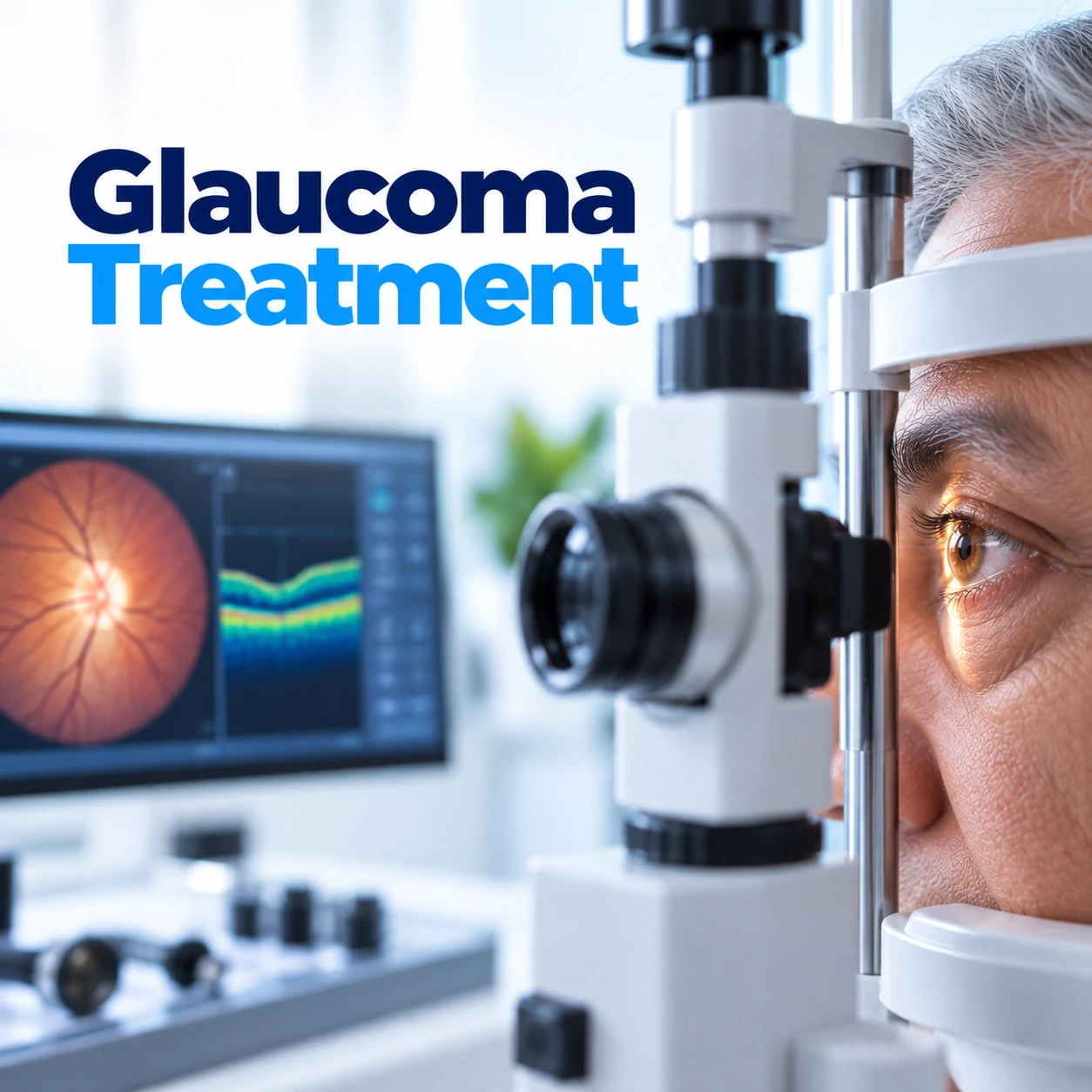
Glaucoma treatment in Jalandhar starts with a proper eye examination. Glaucoma, commonly called kala motia in Punjabi and Hindi, damages the optic nerve and often causes no early symptoms. Testing checks eye pressure, the optic nerve, drainage angle and visual field before treatment options are considered.

Glaucoma Treatment in Jalandhar Tests, Options and Follow Up


What Is Glaucoma and Why Does It Need Treatment?

Glaucoma is a group of conditions in which the optic nerve is damaged. It is often, but not always, associated with raised intraocular pressure.

The commonest form, primary open angle glaucoma, usually causes no pain or early symptoms. Peripheral vision is lost first, and you may not notice the change until the disease is advanced.

This is why glaucoma treatment in Jalandhar is not based only on whether your eyes hurt or your vision seems normal.

Glaucoma is commonly called kala motia in Punjabi and Hindi. If you have a family history of glaucoma, increasing age, diabetes, high refractive error, previous eye injury or long-term steroid use, regular eye examinations are particularly important.

Vision already lost to glaucoma cannot be recovered. Treatment aims to protect the vision that remains. Early detection through routine testing therefore matters.

Glaucoma Treatment in Jalandhar: What Tests Are Needed?


A glaucoma assessment involves more than checking your spectacle power. Diagnosis typically includes several tests that look at different aspects of eye health.


Tests used for glaucoma assessment

These commonly include:

  • Intraocular pressure measurement, which checks the pressure inside the eye
  • Optic nerve examination, which assesses the nerve affected by glaucoma
  • Gonioscopy, which assesses the drainage angle
  • Visual field testing, which checks your field of vision
  • Optical coherence tomography, which examines the nerve fibre layer

A single normal pressure reading does not rule out glaucoma. A raised pressure reading does not confirm it either. Assessment is based on the whole examination.

A comprehensive eye examination also assesses visual acuity, refraction and the front of the eye. Where indicated, it includes a dilated retinal examination.

If you are unsure whether your vision changes relate to glasses, you can read about signs you need glasses.

What Are the Glaucoma Treatment Options in Jalandhar?

Glaucoma treatment in Jalandhar depends on the findings from your assessment. The available treatment options include pressure-lowering eye drops, laser procedures and surgery.


Pressure-lowering eye drops

Eye drops can be used to lower eye pressure. Your ophthalmologist will determine whether this approach is appropriate based on your examination.


Laser treatment

Laser procedures for glaucoma include:

  • Trabeculoplasty
  • Iridotomy

Laser treatment is one of the options considered for managing glaucoma.

Surgery

Surgery is another treatment option when eye drops and laser are not sufficient.

The purpose of glaucoma treatment is to protect the vision that remains. Vision already lost because of advanced glaucoma cannot be recovered.


When Is Glaucoma an Emergency?


Not every glaucoma problem causes sudden symptoms. Primary open angle glaucoma usually develops without pain or early symptoms.

However, angle closure glaucoma can present acutely with severe eye pain, redness, headache, nausea and haloes around lights. This is an emergency.


If you develop these symptoms, seek urgent eye assessment rather than waiting for a routine consultation.

Other sudden changes in vision also need attention. Most sudden changes in vision need examination rather than home management. Pain with redness and reduced vision is always a reason for same-day assessment.


Sudden painless loss of vision in one eye is also an emergency and can indicate retinal detachment, retinal vascular occlusion or optic nerve disease.


Who Should Have Regular Glaucoma Checks?


Regular testing is especially relevant if you have known risk factors.


Family history

Anyone with a family history of glaucoma should be examined regularly from an earlier age. Glaucoma is often symptomless until advanced.


Age

Adults with no symptoms and no risk factors are generally advised to have a comprehensive eye examination every one to two years. More frequent examinations are advised from the age of 40, when the risk of glaucoma and other conditions rises.


Diabetes

People with diabetes need a dilated retinal examination at least once a year, and sooner if advised, even when their vision seems normal.


Other risk factors

Risk factors for glaucoma include:

  • Increasing age
  • Family history of glaucoma
  • High refractive error
  • Previous eye injury
  • Long-term steroid use
  • Diabetes

Having a risk factor does not mean you have glaucoma. It means regular examination is important.

Glaucoma Specialist Jalandhar: Who Can You Consult?


If you are looking for a glaucoma specialist in Jalandhar, Thind Eye Hospital has specialists who consult at its Jalandhar branch.

Dr. Tejinder Nirmal Singh is an Associate Ophthalmologist and Glaucoma Specialist. He consults in Jalandhar on Tuesday, Wednesday and Friday. You can learn more about Dr. Tejinder Nirmal Singh.


Dr. Neetu Negi is a Consultant Ophthalmologist and Glaucoma Specialist. She consults in Jalandhar from Monday to Thursday.

Thind Eye Hospital is a multi superspeciality eye hospital with branches in Jalandhar, Ludhiana, Hoshiarpur and Pathankot.


The hospital was founded in 1991 by Dr. Jaswant Singh Thind, Chairman cum Managing Director, who completed his MS from King George’s Medical College, Lucknow, in 1986.

You can learn more about Dr. Jaswant Singh Thind.


Where to Get Glaucoma Treatment in Jalandhar?


Thind Eye Hospital’s Jalandhar branch is located at:

701, Mall Road, Model Town, Jalandhar 144001, Punjab

Landmark: Mall Road, Model Town
Opening hours: Monday to Sunday, 8:00 am to 6:00 pm
Phone: +91 88720 70022

The hospital brings more than 39 years of expertise in eye care. It sees more than 1,00,000 patients every year and has performed more than 4,00,000 surgeries to date.

For broader information about eye health, the American Academy of Ophthalmology provides patient resources. The World Health Organization’s information on blindness and vision loss also covers eye health and vision.

What Should You Do Next?


If you are considering glaucoma treatment in Jalandhar, start with a proper eye examination rather than relying on symptoms alone. Glaucoma can be symptomless until advanced, and vision already lost cannot be recovered.

If you have a family history of glaucoma, diabetes or another listed risk factor, regular testing is particularly relevant. If you develop severe eye pain, redness, headache, nausea and haloes around lights, seek urgent assessment.


You can book an appointment at Thind Eye Hospital, Jalandhar, or call +91 88720 70022.

For glaucoma treatment in Jalandhar, visit the Mall Road, Model Town branch for an appropriate assessment and consultation.


This article provides general information about eye health and eye care services. It is not medical advice and does not replace a consultation with a qualified ophthalmologist. Symptoms vary between individuals. Please consult a licensed eye specialist before acting on any information here.


FAQs
 

Eye Specialist in Pathankot: Who Consults and When

If you are looking for an eye specialist in Pathankot, Thind Eye Hospital has specialist consultations at its TMT Scheme branch, near the LIC office. The branch is open Monday to Sunday, 8:00 am to 6:00 pm. Call +91 88720 70055 before travelling to confirm the consultation schedule.


Eye Specialist in Pathankot Who Consults and When


Eye Specialist in Pathankot: Who Can You Consult?


Thind Eye Hospital is a multi superspeciality eye hospital with branches in Jalandhar, Ludhiana, Hoshiarpur and Pathankot.

The Pathankot branch has visiting specialists on fixed days. Knowing the schedule can help you plan your consultation around the specialist you need.

An optometrist assesses vision and helps with glasses or contact lenses. An ophthalmologist is a medical doctor who diagnoses and treats eye diseases.


Pathankot doctor consultation schedule


DoctorSpecialityPathankot consultation
Dr. Kanwaljeet H. MadanSenior Vitreo-Retinal SurgeonMonday
Dr. Saurabh MittalCornea, Squint and Paediatric OphthalmologistAlso consults at Pathankot
Dr. Jaswant Singh ThindChief Eye Surgeon and Chairman cum Managing DirectorTuesday mornings

Visiting specialists consult on fixed days. Schedules can change, so call the Pathankot branch before travelling.


Eye Specialist in Pathankot for Retina and Vitreo-Retinal Care


Dr. Kanwaljeet H. Madan is a Senior Vitreo-Retinal Surgeon who consults at the Pathankot branch on Monday. He trained at PGIMER Chandigarh and has a FAICO Fellowship in Vitreo-Retina.

Retinal care is particularly relevant for people with diabetes. People with diabetes need a dilated retinal examination at least once a year, and sooner if advised, even when their vision seems normal.


The retina is the light-sensitive layer at the back of the eye. Retinal disease is a leading cause of vision loss and often develops without pain.

If you notice a sudden increase in floaters, flashes of light, or a shadow or curtain moving across your vision, seek same-day assessment. These are warning signs of retinal detachment and require urgent examination.


Eye Specialist in Pathankot for Cornea, Squint and Children


Dr. Saurabh Mittal is a Cornea, Squint and Paediatric Ophthalmologist. He is fellowship trained in cornea and paediatric ophthalmology at PGI Chandigarh and also consults at Pathankot.

A specialist consultation can be useful when you need assessment for corneal, squint or paediatric eye concerns.

If you are unsure whether your vision changes relate to spectacle power, you can also read about signs you need glasses.


What Happens During an Eye Examination?


A comprehensive eye examination assesses more than spectacle power. It includes visual acuity, refraction, examination of the front of the eye, intraocular pressure and, where indicated, a dilated retinal examination.

Adults with no symptoms and no risk factors are generally advised to have a comprehensive eye examination every one to two years. More frequent examinations are advised from the age of 40, when the risk of glaucoma and other conditions rises.


People with diabetes need a dilated retinal examination at least once a year. Anyone with a family history of glaucoma should also be examined regularly from an earlier age.

Dilating drops blur near vision and increase light sensitivity for several hours. It helps to arrange transport home after a dilated examination.


Eye care for everyday concerns

Prolonged screen use is associated with dry eye and eye strain because blink rate falls. Regular breaks, adequate lighting and the correct working distance reduce symptoms.

Presbyopia, the age-related loss of near focus, typically begins in the forties. It is a normal change rather than a disease.

Ultraviolet exposure is linked to cataract and pterygium, so sunglasses with proper UV protection matter in the Punjab climate.


When Should You See an Eye Doctor in Pathankot Urgently?


Some eye symptoms require prompt assessment rather than waiting for a scheduled consultation.

Most sudden changes in vision need examination rather than home management. Pain with redness and reduced vision is always a reason for same-day assessment.


You should seek urgent examination for:

  • Sudden painless loss of vision in one eye
  • New floaters with flashes of light
  • A curtain or shadow across your vision
  • Double vision of sudden onset
  • Pain with redness and reduced vision

Sudden painless loss of vision in one eye is an emergency. It can indicate retinal detachment, retinal vascular occlusion or optic nerve disease.

These symptoms do not confirm a diagnosis. They are reasons to seek urgent eye assessment.

The American Academy of Ophthalmology provides patient information about eye health. The World Health Organization’s eye care information also provides information about vision and eye health.

About Thind Eye Hospital in Pathankot


Thind Eye Hospital was founded in 1991 by Dr. Jaswant Singh Thind, Chief Eye Surgeon and Chairman cum Managing Director. He completed his MS Ophthalmology from King George’s Medical College, Lucknow, in 1986.

You can learn more about Dr. Jaswant Singh Thind.

The hospital brings more than 39 years of expertise in eye care. It sees more than 1,00,000 patients every year and has performed more than 4,00,000 surgeries to date.

Thind Eye Hospital launched a fully equipped Vitreo-Retinal department in 1999. It was also the first eye hospital in North India to introduce LASIK laser vision correction in 1998.

The hospital also conducts community eye care camps for rural populations and school eye health checkup programmes for children.

Pathankot Branch Location, Hours and Phone

The Thind Eye Hospital Pathankot branch is located at:

SCO-8, TMT Scheme, Near LIC Office, Pathankot 145001, Punjab

Landmark: TMT Scheme, near the LIC office
Opening hours: Monday to Sunday, 8:00 am to 6:00 pm
Phone: +91 88720 70055

Visit the eye hospital in Pathankot branch page for more information.

Before travelling, call the branch to confirm the specialist’s consultation day. This is especially important for visiting specialists because schedules can change.

What Should You Do Next?


If you need an eye specialist in Pathankot, first check which specialist you need and their consultation day. Dr. Kanwaljeet H. Madan consults on Monday, Dr. Jaswant Singh Thind on Tuesday mornings, and Dr. Saurabh Mittal also consults at Pathankot.

For confirmation, call the Pathankot branch at +91 88720 70055. You can also book an appointment online.

If you are searching for the best eye specialist in Pathankot, focus on finding the appropriate specialist for your eye concern and confirming the consultation schedule before travelling.

This article provides general information about eye health and eye care services. It is not medical advice and does not replace a consultation with a qualified ophthalmologist. Symptoms vary between individuals. Please consult a licensed eye specialist before acting on any information here.

FAQs
Eye Twitching: Why It Happens and When It Signals a Problem

Eye twitching causes are usually linked to fatigue, stress, caffeine and screen use. This common eyelid movement is called myokymia. It is usually benign, but twitching that spreads to the face, closes the eye or lasts for weeks needs assessment by an eye specialist.


Eye Twitching Why It Happens and When It Signals a Problem


What Are the Common Eye Twitching Causes?


Eyelid twitching is an involuntary movement of the eyelid. It is also described as eye fluttering and is often noticed around the lower or upper eyelid.

The most common eye twitching causes listed in the clinical guidance include:

  • Fatigue
  • Stress
  • Caffeine
  • Screen use

These factors are linked to myokymia, which is usually benign. In many cases, the twitching is temporary.

However, the pattern of the twitch matters. If the movement changes or continues for a long time, you should have it assessed rather than assuming the cause.

Eye Twitching Causes and When to See an Eye Specialist


Most simple eyelid twitching does not signal a serious eye problem. However, certain changes mean you should arrange an assessment.

You should seek an eye examination if your eyelid twitching:


  • Spreads to other parts of the face
  • Causes the eye to close
  • Lasts for weeks

These are specific reasons to have the twitch assessed.

An ophthalmologist is a medical doctor who diagnoses and treats eye diseases. An optometrist assesses vision and helps with glasses or contact lenses.

A specialist examination can help determine whether the twitching is simply myokymia or whether another issue needs attention.

How Do Screens, Stress and Fatigue Affect Eye Twitching?


Prolonged screen use is associated with dry eye and eye strain because blink rate falls. Regular breaks, adequate lighting and the correct working distance reduce symptoms.

Screen use is therefore one factor to consider among the common eye twitching causes. Fatigue and stress are also linked to eyelid twitching.


Caffeine is another recognised factor. If you notice recurring eye fluttering, consider the pattern and whether it occurs alongside fatigue, stress, caffeine intake or prolonged screen use.

These observations do not provide a diagnosis. They can, however, be useful information to share during an eye examination.


Simple habits that may reduce symptoms

For screen-related eye strain, regular breaks can help. Adequate lighting and the correct working distance are also recommended.

The aim is to reduce factors associated with eye strain while watching for changes in the twitch itself.


When Is Eye Twitching a Sign of a Problem?


The pattern of the twitch is important. A twitch that spreads to the face, causes the eye to close, or lasts for weeks needs assessment.

You should also seek prompt eye care if twitching occurs alongside significant changes in vision.


Most sudden changes in vision need examination rather than home management. Pain with redness and reduced vision is always a reason for same-day assessment.

New floaters with flashes of light, a curtain across vision, or sudden double vision also need urgent examination rather than waiting.


Sudden painless loss of vision in one eye is an emergency. It can indicate retinal detachment, retinal vascular occlusion or optic nerve disease.

These symptoms are not something you should try to diagnose yourself.


What Other Eye Problems Can Cause Concern?


Not every eye symptom is caused by eyelid twitching. Other common eye problems have different features and require different approaches.


Eye flu

Viral conjunctivitis, commonly called eye flu, spreads through contact. Typical features include redness, watering, grittiness and discharge.

Hand hygiene and not sharing towels limit the spread. Antibiotic drops do not treat viral conjunctivitis.

Self-medication with steroid drops can be harmful. Steroid drops should never be started without examination.


Stye and eyelid lumps

A stye is an infection of an eyelid gland that causes a painful lump. Warm compresses and lid hygiene are the usual first measures.

A painless, persistent lump is more likely to be a chalazion. An examination is appropriate when an eyelid lump persists or you are unsure what it represents.

If you are also experiencing changes in your eyesight, read about signs you need glasses.


How Is Eye Twitching Assessed?


An eye examination helps assess your symptoms and determine whether further evaluation is needed.

Your symptoms, their duration and their pattern are relevant. A twitch that lasts for weeks, spreads to the face or causes the eye to close should not simply be ignored.


If other vision symptoms are present, they should also be reported. Most sudden changes in vision need examination rather than home management.

Thind Eye Hospital provides multi superspeciality eye care through branches in Jalandhar, Ludhiana, Hoshiarpur and Pathankot.


The hospital was founded in 1991 by Dr. Jaswant Singh Thind, Chairman cum Managing Director, after he completed his MS from King George’s Medical College, Lucknow, in 1986. The hospital brings more than 39 years of expertise in eye care.

For concerns involving the eyelids, orbit or neuro-ophthalmology, Dr. Apoorva Mittal, Oculoplastics, Orbit and Neuro-Ophthalmologist, consults at the Jalandhar branch. You can learn more about Dr. Apoorva Mittal.


Why Choose Thind Eye Hospital for Eye Care?


Thind Eye Hospital has been providing eye care since 1991. It sees more than 1,00,000 patients every year and has performed more than 4,00,000 surgeries to date.

The hospital launched a fully equipped Vitreo-Retinal department in 1999. It was also the first eye hospital in North India to introduce LASIK laser vision correction in 1998.


These are part of the hospital’s history of eye care services and developments.

The hospital also conducts community eye care camps for rural populations and school eye health checkup programmes for children. It has a standing policy that eye treatment is never denied to a needy person.

The American Academy of Ophthalmology provides authoritative information about eye health. The National Programme for Control of Blindness and Visual Impairment also provides information relevant to eye care in India.


What Should You Do About Eye Twitching?


If your eye twitching is linked with fatigue, stress, caffeine or screen use, monitor the pattern and reduce factors associated with eye strain.

However, twitching that spreads to the face, causes the eye to close or lasts for weeks needs assessment. Do not ignore sudden changes in vision, pain with redness and reduced vision, new floaters with flashes, a curtain across vision or sudden double vision.


If you want your symptoms assessed, you can book an appointment with Thind Eye Hospital.

Understanding your eye twitching causes can help you recognise when routine care is appropriate and when an examination is needed.


This article provides general information about eye health and eye care services. It is not medical advice and does not replace a consultation with a qualified ophthalmologist. Symptoms vary between individuals. Please consult a licensed eye specialist before acting on any information here.


FAQs

 

Eye Specialist in Hoshiarpur: Who Consults and On Which Days

If you are looking for an eye specialist in Hoshiarpur, Thind Eye Hospital has specialists consulting on fixed days at its Model Town branch, near Hotel Presidency. The branch is open Monday to Sunday, 8:00 am to 6:00 pm. You can call +91 87410 87510 before travelling to confirm the schedule.

Eye Specialist in Hoshiarpur Who Consults and On Which Days


Eye Specialist in Hoshiarpur: Who Can You Consult?


Thind Eye Hospital is a multi superspeciality eye hospital with branches in Jalandhar, Ludhiana, Hoshiarpur and Pathankot.

At the Hoshiarpur branch, several specialists consult on specific days. This makes it easier to plan your visit based on the type of eye care you need.


An optometrist assesses vision and helps with glasses or contact lenses. An ophthalmologist is a medical doctor who diagnoses and treats eye diseases.


Hoshiarpur specialist consultation schedule


DoctorSpecialityHoshiarpur consulting day
Dr. Jaswant Singh ThindChief Eye Surgeon and Chairman cum Managing DirectorThursday mornings
Dr. Kanwaljeet H. MadanSenior Vitreo-Retinal SurgeonWednesday, 8:00 am to 5:00 pm
Dr. Tejinder Nirmal SinghAssociate Ophthalmologist and Glaucoma SpecialistMonday, Thursday and Saturday
Dr. Saurabh MittalCornea, Squint and Paediatric OphthalmologistTuesday
Dr. Neetu NegiConsultant Ophthalmologist and Glaucoma SpecialistFriday

Visiting specialists consult on fixed days. Schedules can change, so call the Hoshiarpur branch before travelling.


Eye Specialist in Hoshiarpur for Different Eye Concerns


The right specialist depends on the eye concern being assessed. A comprehensive eye examination looks at more than spectacle power.

It includes visual acuity, refraction, examination of the front of the eye, intraocular pressure and, where indicated, a dilated retinal examination.


Glaucoma care

Glaucoma is often symptomless until advanced. Anyone with a family history of glaucoma should be examined regularly from an earlier age.

Dr. Tejinder Nirmal Singh and Dr. Neetu Negi are listed as glaucoma specialists consulting at the Hoshiarpur branch.


Retina care

People with diabetes need a dilated retinal examination at least once a year, and sooner if advised, even when vision seems normal.

Dr. Kanwaljeet H. Madan is a Senior Vitreo-Retinal Surgeon who consults in Hoshiarpur on Wednesday from 8:00 am to 5:00 pm.


Cornea, squint and children’s eye care

Dr. Saurabh Mittal is a Cornea, Squint and Paediatric Ophthalmologist. He consults at the Hoshiarpur branch on Tuesday.

If you are unsure whether you need glasses, you can also read about signs you need glasses.


When Should You Book an Eye Examination?


An eye specialist in Hoshiarpur can assess your eyes even when you do not have obvious symptoms.

Adults with no symptoms and no risk factors are generally advised to have a comprehensive eye examination every one to two years. More frequent examinations are advised from the age of 40, when the risk of glaucoma and other conditions rises.


People with diabetes need a dilated retinal examination at least once a year. A family history of glaucoma is another reason for regular examinations from an earlier age.

Presbyopia, the age-related loss of near focus, typically begins in the forties. It is a normal change rather than a disease.


Screen use and eye strain

Prolonged screen use is associated with dry eye and eye strain because blink rate falls. Regular breaks, adequate lighting and the correct working distance reduce symptoms.

Ultraviolet exposure is linked to cataract and pterygium. Sunglasses with proper UV protection therefore matter in the Punjab climate.


What Happens During a Comprehensive Eye Examination?


A comprehensive examination checks several aspects of your eye health.

Your visual acuity is assessed first. Refraction checks whether you need vision correction. The front of the eye is examined, and intraocular pressure is measured.


A dilated retinal examination is performed where indicated. Dilating drops blur near vision and increase light sensitivity for several hours. It helps to arrange transport home after a dilated examination.

The examination helps an eye doctor in Hoshiarpur assess your symptoms and determine whether further specialist care is needed.


The American Academy of Ophthalmology provides patient information about eye health and eye conditions. The World Health Organization’s eye care information also covers vision and eye health.


Meet the Eye Specialists in Hoshiarpur


Thind Eye Hospital was founded in 1991 by Dr. Jaswant Singh Thind, Chief Eye Surgeon and Chairman cum Managing Director. He completed his MS Ophthalmology from King George’s Medical College, Lucknow, in 1986.

You can learn more about Dr. Jaswant Singh Thind.


Dr. Kanwaljeet H. Madan is a Senior Vitreo-Retinal Surgeon. He trained at PGIMER Chandigarh and has a FAICO Fellowship in Vitreo-Retina.

Dr. Tejinder Nirmal Singh is an Associate Ophthalmologist and Glaucoma Specialist. He consults in Hoshiarpur on Monday, Thursday and Saturday.


Dr. Saurabh Mittal is a Cornea, Squint and Paediatric Ophthalmologist. He consults in Hoshiarpur on Tuesday.

Dr. Neetu Negi is a Consultant Ophthalmologist and Glaucoma Specialist. She consults in Hoshiarpur on Friday.


This range of specialists makes the Hoshiarpur location useful for different eye care needs.


Hoshiarpur Branch Location, Hours and Phone


The Thind Eye Hospital Hoshiarpur branch is located at:

584, Model Town, Near Hotel Presidency, Hoshiarpur 146001, Punjab


Landmark: Model Town, near Hotel Presidency
Opening hours: Monday to Sunday, 8:00 am to 6:00 pm
Phone: +91 87410 87510

You can visit the eye hospital in Hoshiarpur branch page for more information.

Because specialist consultations are scheduled on specific days, call the branch before travelling. This is especially useful if you are visiting to see a particular doctor.


What Should You Do Next?


If you need an eye specialist in Hoshiarpur, choose the consultation day that matches the specialist you need. Dr. Jaswant Singh Thind consults on Thursday mornings, Dr. Kanwaljeet H. Madan on Wednesday, Dr. Tejinder Nirmal Singh on Monday, Thursday and Saturday, Dr. Saurabh Mittal on Tuesday, and Dr. Neetu Negi on Friday.


For confirmation before travelling, call the Hoshiarpur branch at +91 87410 87510. You can also book an appointment online.

If you are searching for an eye specialist in Hoshiarpur, Thind Eye Hospital’s Model Town branch gives you access to scheduled specialist consultations close to home.


This article provides general information about eye health and eye care services. It is not medical advice and does not replace a consultation with a qualified ophthalmologist. Symptoms vary between individuals. Please consult a licensed eye specialist before acting on any information here.


FAQs

 

Cataract Assessment: What Happens Before Surgery

A cataract assessment checks how a cataract is affecting your vision and whether you are ready for surgery. It usually includes vision testing, an examination of the eye, measurements such as biometry, and discussion of the intraocular lens (IOL). The assessment helps your ophthalmologist plan the right treatment for your eyes.


Cataract Assessment What Happens Before Surgery


What is checked during a cataract assessment?


A cataract is a clouding of the eye’s natural lens. It develops gradually and is most commonly age related. Common symptoms include cloudy or blurred vision, glare and haloes around lights, poor night vision, faded colours and frequent changes in spectacle power.

These symptoms are reasons to have your eyes examined. They do not, by themselves, confirm that you have a cataract.


An ophthalmologist is a medical eye doctor who examines and treats eye conditions. An optometrist primarily assesses vision and provides vision correction services.

During a cataract assessment, your eye specialist looks at your vision and the health of your eyes. The findings help determine whether cataract surgery is appropriate.

The American Academy of Ophthalmology provides further information on cataract evaluation and diagnostic testing.


What happens during a cataract assessment?


A cataract assessment is more than a simple eyesight test. Your ophthalmologist reviews your visual needs and examines the eye before discussing surgery.


1. Vision and eye examination

Your vision is assessed, usually with and without your spectacle correction. The eye is then examined to understand the condition of the lens and other structures.

Your doctor may also consider symptoms such as glare, poor night vision or changes in your spectacle power. This helps place your vision problems in the right clinical context.


2. Cataract tests before surgery

The cataract tests before surgery help with surgical planning. The exact tests required are decided during your examination.

One important measurement is biometry. Biometry measures the eye to help calculate the required power of the intraocular lens that will be implanted during cataract surgery.

Preoperative assessment can also include examination of the cornea, lens, optic nerve and retina. These checks help the ophthalmologist understand the health of the eye before surgery.


Why is biometry important in a cataract assessment?


Biometry is a key part of cataract assessment before surgery because the IOL power is calculated from measurements of the eye.

Modern cataract surgery removes the clouded natural lens and replaces it with an intraocular lens, or IOL. The two common surgical techniques are phacoemulsification and small incision cataract surgery (SICS).


IOL options include:


      • Monofocal lenses, designed to provide vision at a selected distance.

      • Toric lenses, used to address astigmatism.

      • Multifocal or extended depth of focus lenses, which provide a broader range of vision.

    The choice of IOL depends on your eye measurements and your visual needs.

    Accurate preoperative measurements are an important part of IOL planning. The American Academy of Ophthalmology’s EyeWiki also describes biometry as a method used to calculate the required IOL power.


    What happens after the cataract assessment?


    Once your cataract assessment is complete, your ophthalmologist discusses whether surgery is appropriate and explains the planned approach.

    There is no upper age limit for cataract surgery. Fitness for surgery depends on the health of the eye and your general medical condition, not age alone.


    Cataract cannot be reversed with drops, exercises or diet. Surgery is the only definitive treatment.

    Cataract surgery is usually performed under topical or local anaesthesia as a day care procedure. General anaesthesia is rarely needed in adults.


    At Thind Eye Hospital, cataract care has a long history. The hospital was among the first in India to introduce 100% topical anaesthesia cataract surgery, without injections, in 1997. It introduced 100% blade-free cataract surgery with laser in 2013.

    Thind Eye Hospital was founded in 1991 by Dr. Jaswant Singh Thind and is a multi superspeciality eye hospital with branches across Punjab.


    Cataract assessment in Hoshiarpur


    If you are looking for a cataract assessment in Hoshiarpur, Thind Eye Hospital’s Hoshiarpur branch is located at 584, Model Town, Near Hotel Presidency, Hoshiarpur 146001, Punjab.

    The branch is open Monday to Sunday, 8:00 am to 6:00 pm. You can call +91 87410 87510 to discuss your consultation.


    The Hoshiarpur branch also provides access to specialist eye care. Dr. Neetu Negi, Consultant Ophthalmologist and Glaucoma Specialist, consults in Hoshiarpur on Fridays. Her qualifications include MBBS from Government Medical College, Jamnagar, DNB from Sir Ganga Ram Hospital and a Fellowship in Glaucoma from Suraj Eye Institute. You can learn more about Dr. Neetu Negi.


    If you are specifically looking for an eye hospital in Hoshiarpur, the branch is designed to serve patients from Hoshiarpur and surrounding areas.


    What should you ask before cataract surgery?


    Your cataract assessment is also an opportunity to ask questions about your treatment plan.

    Consider asking:


        • Which type of cataract surgery is planned?

        • Which IOL options are suitable for my eye measurements?

        • What does my biometry show?

        • Are there other eye conditions that need attention?

        • What should I expect during recovery?

        • What follow-up appointments will I need?

      Most patients notice improved vision within a few days, with vision continuing to settle over about four to six weeks. You can also read more about cataract surgery recovery time.

      Posterior capsule opacification can occur months or years after surgery. It is treated with a short outpatient Nd:YAG laser capsulotomy, rather than repeat cataract surgery.


      The World Health Organization’s current guidance also recognises the importance of quality care across the preoperative, intraoperative and postoperative stages of cataract surgery.


      What to do next in Hoshiarpur


      If you have noticed blurred or cloudy vision, glare, haloes around lights, poor night vision, faded colours or frequent changes in spectacle power, arrange an eye examination rather than trying to identify the cause yourself.

      For a cataract assessment at Thind Eye Hospital Hoshiarpur, visit 584, Model Town, Near Hotel Presidency, Hoshiarpur 146001, Punjab, or call +91 87410 87510. The branch is open Monday to Sunday, 8:00 am to 6:00 pm.


      You can also book an appointment before visiting.


      This article provides general information about eye health and eye care services. It is not medical advice and does not replace a consultation with a qualified ophthalmologist. Symptoms vary between individuals. Please consult a licensed eye specialist before acting on any information here.


      FAQs

       

      Retina Specialist in Jalandhar: When You Need One

      A retina specialist in Jalandhar can assess symptoms and conditions affecting the retina, the light-sensitive layer at the back of your eye. Retinal disease often develops without pain. Warning signs such as flashes, new floaters, or a curtain across vision need urgent eye examination.


      Retina Specialist in Jalandhar When You Need One


      When Should You See a Retina Specialist in Jalandhar?


      The retina plays a vital role in vision. Retinal disease is a leading cause of vision loss and often develops without pain. This means you should not wait for discomfort before getting your retina checked.

      A retina doctor in Jalandhar can assess symptoms linked to retinal conditions and help determine the appropriate course of care.


      You should arrange an eye examination if you notice:

      • A sudden increase in floaters
      • Flashes of light
      • A shadow or curtain moving across your vision
      • Distortion of straight lines
      • Changes in central vision
      • Vision changes associated with diabetes

      A sudden shower of new floaters, especially with flashes, needs urgent examination. These symptoms can occur with retinal problems that require prompt assessment.

      Retina Specialist in Jalandhar for Retinal Detachment

      Retinal detachment occurs when the retina becomes separated from its normal position. Its warning signs include a sudden increase in floaters, flashes of light, and a shadow or curtain moving across your field of vision.

      This is an emergency and needs same-day assessment.


      Do not wait for these symptoms to settle on their own. Prompt examination allows an eye specialist to assess the retina and determine what care is required.

      A vitreoretinal surgeon in Jalandhar specialises in conditions involving the vitreous and retina. At Thind Eye Hospital, Dr. Sangeet Mittal is a Vitreoretinal Surgeon and consults in Jalandhar daily. You can learn more about Dr. Sangeet Mittal.

      Retina Specialist in Jalandhar for Diabetic Retinopathy


      Diabetic retinopathy is a complication of diabetes that affects the blood vessels of the retina. It can be present without symptoms in its early stages.

      For this reason, people with diabetes need regular dilated retinal examination. A retina assessment is especially relevant if you have diabetes, even when your vision seems normal.


      You can learn more about diabetic retinopathy and why retinal monitoring matters.

      The National Programme for Control of Blindness and Visual Impairment provides information related to eye health in India. National Programme for Control of Blindness and Visual Impairment

      The American Academy of Ophthalmology also provides patient information on retinal and other eye conditions.


      What Conditions Can a Retina Specialist Treat?


      A retina specialist assesses a range of retinal conditions. The symptoms and findings from an eye examination help determine the appropriate treatment.


      Macular hole and epiretinal membrane

      A macular hole and an epiretinal membrane affect central vision. They can also cause distortion of straight lines.

      Both conditions are assessed with optical coherence tomography and may be treated surgically.


      Retinal vascular conditions

      Retinal vascular problems affect the blood vessels supplying the retina. Sudden painless loss of vision in one eye is an emergency and needs urgent examination.


      Retinopathy of prematurity

      Retinopathy of prematurity affects the developing retina of premature babies. Screening is time critical and follows the paediatrician’s referral schedule.

      Parents should follow the screening schedule advised by the paediatrician rather than waiting for vision symptoms.


      What Treatment Does a Retina Specialist in Jalandhar Provide?


      Treatment for retinal disease depends on the condition identified during assessment. Available treatment options include retinal laser, intravitreal injections and retinal surgery.

      Retinal laser treatment includes pan retinal photocoagulation and barrage laser. Intravitreal injections include anti-VEGF and Ozurdex.


      Surgical options include pars plana vitrectomy and scleral buckling.

      The aim of treatment is usually to preserve remaining vision. Vision already lost to advanced retinal disease often cannot be restored. This is why early detection matters.

      At Thind Eye Hospital, the fully equipped Vitreo-Retinal department was launched in 1999. The hospital is a multi superspeciality eye hospital with branches in Jalandhar, Ludhiana, Hoshiarpur and Pathankot.


      Choosing a Retina Specialist in Jalandhar


      When choosing a retina specialist in Jalandhar, consider whether the hospital provides access to dedicated vitreoretinal care and whether the specialist’s consultation schedule suits you.

      Thind Eye Hospital’s Jalandhar branch is located at 701, Mall Road, Model Town, Jalandhar 144001, Punjab, with Mall Road, Model Town as the landmark.


      Two vitreoretinal specialists consulting at the Jalandhar branch are:

      • Dr. Sangeet Mittal, Vitreoretinal Surgeon, fellowship trained at Sankara Nethralaya. He consults in Jalandhar daily.
      • Dr. Kanwaljeet H. Madan, Senior Vitreo-Retinal Surgeon, trained at PGIMER Chandigarh with a FAICO Fellowship in Vitreo-Retina. He consults in Jalandhar daily.


      The Jalandhar branch is open Monday to Sunday, 8:00 am to 6:00 pm. You can call the branch at +91 88720 70022.

      Thind Eye Hospital was founded in 1991 by Dr. Jaswant Singh Thind. The hospital brings more than 39 years of expertise in eye care and has performed more than 4,00,000 surgeries to date.


      What Should You Do Next?


      If you are looking for a retina specialist in Jalandhar, do not ignore sudden changes in vision. New flashes, a sudden increase in floaters, a curtain across your vision, or sudden painless loss of vision in one eye needs urgent examination.

      For routine retinal concerns, diabetes-related retinal screening, or ongoing symptoms, you can book an appointment at Thind Eye Hospital, Jalandhar.


      Visit the eye hospital in Jalandhar at 701, Mall Road, Model Town, Jalandhar. For appointments and branch information, call +91 88720 70022.


      This article provides general information about eye health and eye care services. It is not medical advice and does not replace a consultation with a qualified ophthalmologist. Symptoms vary between individuals. Please consult a licensed eye specialist before acting on any information here.


      FAQs

       

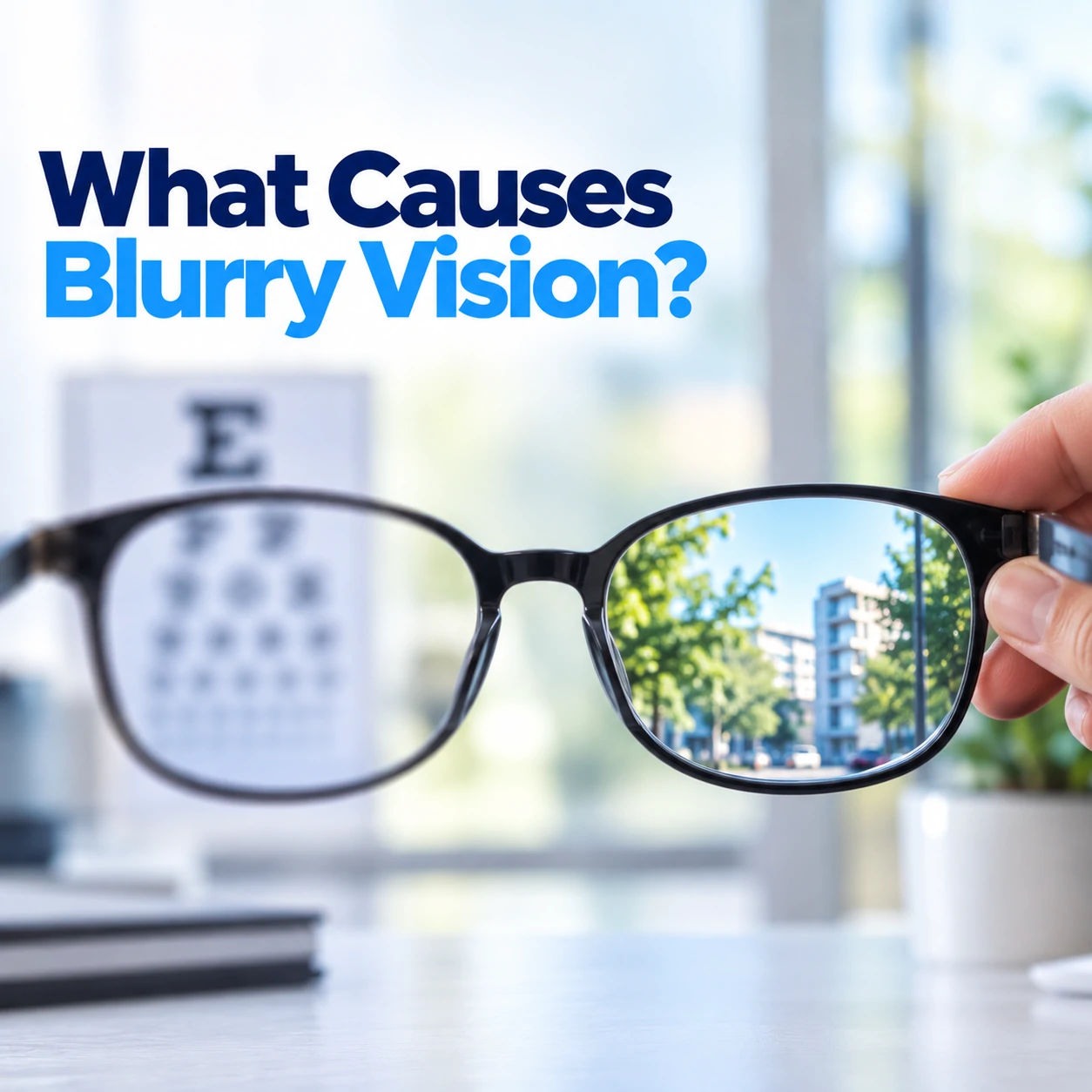
      What Causes Blurry Vision? Common Reasons and When to Get Checked

      Blurry vision causes range from common problems such as refractive error and dry eye to conditions affecting the lens, retina, optic nerve or cornea. The pattern and speed of onset help guide the diagnosis. Most sudden changes in vision need an eye examination rather than home management.

      What Are the Common Blurry Vision Causes?

      Blurred vision does not have one single cause. Several eye conditions can affect how clearly you see, and the symptoms can look similar at first.

      What Causes Blurry Vision Common Reasons and When to Get Checked


      Common blurry vision causes include:

      • Refractive error, such as short-sightedness or long-sightedness
      • Dry eye
      • Cataract
      • Diabetic retinopathy
      • Glaucoma
      • Corneal disease

      The speed at which your vision changes also matters. Gradual blurring and sudden changes require different assessments. An eye examination helps identify the reason rather than relying on symptoms alone.

      If you are unsure whether your vision changes could be linked to your eyesight, you can read about signs you need glasses.

      Blurry vision in one eye

      Blurred vision in one eye deserves attention, especially if it starts suddenly. Sudden painless loss of vision in one eye is an emergency and can indicate retinal detachment, retinal vascular occlusion or optic nerve disease.

      New floaters with flashes of light, a curtain across your vision, or sudden double vision also need urgent examination.

      When Are Blurry Vision Causes an Emergency?

      Some changes in vision should not be watched at home. Sudden blurry vision needs examination, particularly when it is new or associated with other symptoms.

      Pain with redness and reduced vision is always a reason for same-day assessment. Sudden painless loss of vision in one eye is also an emergency.

      Seek urgent eye assessment if you develop:

      • Sudden loss or major reduction of vision
      • New floaters with flashes of light
      • A curtain or shadow across your vision
      • Sudden double vision
      • Pain with redness and reduced vision

      These symptoms do not tell you the diagnosis by themselves. They show why prompt examination matters.

      The American Academy of Ophthalmology provides patient information on eye conditions and vision problems. You can also refer to the World Health Organization’s eye care information for broader information about vision and eye health.


      How Are Blurry Vision Causes Checked?

      An eye examination helps determine why your vision has become blurred. The assessment focuses on your symptoms, how quickly they started and the condition of different parts of the eye.

      An optometrist, a professional who assesses vision and prescribes glasses or contact lenses, differs from an ophthalmologist, a medical doctor who diagnoses and treats eye diseases.

      Your symptoms should be assessed by an appropriate eye care professional. If a medical eye condition is suspected, an ophthalmologist can provide further evaluation and treatment.

      The right next step depends on what the examination shows. Blurry vision should not be self-diagnosed from symptoms alone.

      What about eyelid twitching?

      Eyelid twitching, known as myokymia, is usually benign. It is linked to fatigue, stress, caffeine and screen use.

      Twitching that spreads to the face, causes the eye to close, or lasts for weeks needs assessment. Twitching itself is different from the causes of blurred vision, but both can prompt questions about your eye health.

      Other Eye Symptoms You Should Not Ignore

      Some common eye problems need simple measures, while others need an examination.

      Eye flu

      Viral conjunctivitis, commonly called eye flu, spreads through contact. Typical features include redness, watering, grittiness and discharge.

      Hand hygiene and not sharing towels limit the spread. Antibiotic drops do not treat viral conjunctivitis. Steroid drops can be harmful when self-medicated and should never be started without examination.

      Stye or eyelid lump

      A stye is an infection of an eyelid gland that causes a painful lump. Warm compresses and lid hygiene are the usual first measures.

      A painless, persistent lump is more likely to be a chalazion. An examination can help determine what type of eyelid problem you have.

      What Treatment Might Be Needed for Blurry Vision?

      Treatment depends on the reason for the vision change. Refractive error may require vision correction, while conditions such as cataract, glaucoma, diabetic retinopathy or corneal disease require medical assessment.

      This is why identifying the cause matters. Blurry vision causes cannot be confirmed from symptoms alone.

      Thind Eye Hospital is a multi superspeciality eye hospital with branches in Jalandhar, Ludhiana, Hoshiarpur and Pathankot. The hospital was founded in 1991 by Dr. Jaswant Singh Thind, Chief Eye Surgeon and Chairman cum Managing Director, after he completed his MS from King George’s Medical College, Lucknow, in 1986.

      The hospital has more than 39 years of expertise in eye care. It has also performed more than 4,00,000 surgeries to date.

      Thind Eye Hospital has introduced several ophthalmic procedures over the years. These include being among the first in India to introduce 100% topical anaesthesia cataract surgery in 1997, and being the first eye hospital in North India to introduce LASIK laser vision correction in 1998.

      You can learn more about Dr. Jaswant Singh Thind and his role at the hospital.

      What Should You Do If Your Vision Is Blurry?

      If your vision has become blurry, do not assume the cause from the symptom alone. Gradual changes should be checked, while sudden changes need prompt assessment.

      Pain with redness and reduced vision requires same-day assessment. Sudden painless loss of vision in one eye, new floaters with flashes, a curtain across vision or sudden double vision requires urgent examination.

      If you are experiencing blurry vision causes that are affecting your daily life, book an appointment for a consultation at Thind Eye Hospital.

      This article provides general information about eye health and eye care services. It is not medical advice and does not replace a consultation with a qualified ophthalmologist. Symptoms vary between individuals. Please consult a licensed eye specialist before acting on any information here.


      FAQs

       

      7+ Effective Eye Allergy Treatment Tips for Clearer, Healthier Vision

      Eye allergies are a common concern, especially during seasonal transitions when pollen, dust, and environmental irritants are at their peak. For many people, red, itchy, or watery eyes disrupt daily activities and lower the quality of life. If left untreated, allergies can even lead to more serious complications. At Thind Eye Hospital, Jalandhar’s leading eye care center, we provide advanced eye allergy treatment and tailored solutions to keep your vision clear, comfortable, and healthy all year round.

      Eye allergy treatment

      What Causes Eye Allergies?

      Eye allergies, or allergic conjunctivitis, occur when your eyes overreact to harmless substances called allergens. These may include:

      • Pollen from grass, trees, or weeds
      • Dust mites and household allergens
      • Pet dander
      • Mold spores
      • Smoke, perfumes, or air pollution
      • Certain cosmetics or even eye drops

      When exposed to these triggers, the immune system releases histamines that cause redness, swelling, itching, and discomfort. Understanding the cause is the first step in finding the right eye allergy treatment.

      Common Symptoms Requiring Eye Allergy Treatment

      Recognizing allergy symptoms early helps prevent them from worsening. Watch for:

      • Red, itchy, or burning eyes
      • Swollen or puffy eyelids
      • Blurry vision
      • Watery or excessively dry eyes
      • Light sensitivity
      • Discomfort that worsens outdoors or in dusty environments

      If these symptoms persist, consult an eye specialist at Thind Eye Hospital for professional eye allergy treatment.

      Best Ways to Manage and Treat Eye Allergies

      1. Identify and Avoid Triggers

      Minimizing exposure to allergens is a key part of eye allergy treatment. Stay indoors during high-pollen hours, use air purifiers, and keep bedding and carpets clean to reduce dust mites.

      2. Maintain Proper Eye Hygiene
      • Wash your hands and face frequently.
      • Avoid rubbing your eyes, which worsens irritation.
      • Change pillowcases regularly to reduce allergen buildup.

      3. Use Cold Compresses

      Applying a cool compress for 10–15 minutes helps relieve inflammation and itching naturally.

      4. Over-the-Counter Relief

      Artificial tears or lubricating drops flush out allergens and provide soothing relief. However, avoid decongestant drops unless advised by an ophthalmologist, as they can cause rebound redness.

      5. Prescription Eye Allergy Treatment

      For persistent or severe cases, your doctor may prescribe:

      • Antihistamine eye drops to reduce itching
      • Mast cell stabilizers to prevent allergic flare-ups
      • Corticosteroid drops (only under medical supervision)

      Never self-medicate. Professional guidance ensures safe and effective results.

      6. Address Dry Eyes

      Allergies may worsen dry eye symptoms. At Thind Eye Hospital, we provide advanced dry eye solutions alongside eye allergy treatment for complete comfort.

      7. Wear Protective Eyewear

      Wraparound sunglasses shield your eyes from pollen, dust, and UV rays while outdoors.

      8. Improve Indoor Air Quality
      • Use HEPA filters in air conditioners
      • Keep windows closed during allergy season
      • Mop floors with a damp cloth to avoid stirring allergens into the air

      When to Seek Emergency Eye Allergy Treatment

      Sometimes, allergy symptoms may mimic or mask more serious eye diseases. Seek immediate medical care if you experience:

      • Severe or sudden eye pain
      • Blurred or lost vision
      • Crusting or discharge around the eyes
      • Rapid swelling of the eyelids

      At Thind Eye Hospital, our emergency services ensure that urgent cases are treated without delay.

      Why Choose Thind Eye Hospital for Eye Allergy Treatment?

      When it comes to specialized eye allergy treatment, we provide:

      • Advanced allergy testing for accurate diagnosis
      • Customized treatment plans for every patient
      • Red eye and blurry vision management
      • State-of-the-art technology for precise care
      • Emergency eye care available in Jalandhar

      Our patient-first approach ensures you receive the right treatment for long-lasting relief.

      Don’t Let Eye Allergies Control Your Life

      Eye allergies may be common, but with the right care, they don’t have to disrupt your life. Recognizing early symptoms, avoiding triggers, and seeking expert eye allergy treatment can help you maintain healthy, irritation-free eyes throughout the year.

      Book your appointment at Thind Eye Hospital today and take the first step toward clear, comfortable vision with effective eye allergy treatment.

      FAQs

      Q1. What is the best eye allergy treatment?

      The best eye allergy treatment depends on the severity of symptoms. Options include lubricating eye drops, antihistamine medications, cold compresses, and avoiding triggers like pollen and dust.

      Q2. Can eye allergy treatment cure allergies permanently?

      No, allergies cannot be permanently cured, but effective eye allergy treatment can control symptoms and improve comfort. Prescription drops, lifestyle changes, and preventive care can minimize flare-ups.

      Q3. When should I see a doctor for eye allergies?

      If redness, swelling, or itching persist for more than a few days or you experience blurry vision or eye pain it’s time to consult a specialist for professional eye allergy treatment.

      Q4. Can untreated eye allergies damage vision?

      Yes. Ignoring symptoms can worsen irritation and, in rare cases, lead to complications such as infections or corneal damage, requiring advanced eye allergy treatment.

      Q5. What lifestyle changes help with eye allergy treatment?

      Wearing sunglasses outdoors, using HEPA filters indoors, staying hydrated, and avoiding rubbing your eyes all support effective eye allergy treatment.

      Winter Eye Care: Debunking Myths and Protecting Your Vision

      Winter may be a season of cozy sweaters and scenic landscapes, but it also brings unique challenges for your eyes. From dry air to harmful UV rays, proper winter eye care is essential to maintaining healthy, comfortable vision. At Thind Eye Hospital, Punjab’s leading eye care provider, we believe in separating fact from fiction. Let’s bust some common myths about protecting your eyes in winter so you can enjoy the season worry-free.

      Winter Eye Care

      Myth 1: Winter Sun Isn’t Harmful to Your Eyes

      Fact: The winter sun can be just as damaging as summer sunlight. UV rays don’t disappear in colder months, and snow can reflect up to 80% of UV radiation, increasing your exposure. Over time, this can contribute to cataracts, macular degeneration, and other eye conditions.

      Winter Eye Care Tip:

      • Wear sunglasses with 100% UV protection, even on cloudy days.
      • Choose wraparound frames for maximum coverage.
      • Add hats or visors for extra sun protection outdoors.

      Myth 2: Dry Eyes Are Only a Summer Problem

      Fact: Dry eyes are very common in winter due to low humidity outdoors and heating systems indoors. Both strip moisture from the air, leaving your eyes feeling dry, irritated, and uncomfortable.

      Winter Eye Care Tip:

      • Use a humidifier to restore moisture in your home or workplace.
      • Stay hydrated by drinking enough water throughout the day.
      • Use artificial tears recommended by your eye specialist to keep your eyes lubricated.

      Myth 3: Eye Infections Are Less Likely in Winter

      Fact: Cold weather doesn’t eliminate bacteria and viruses. In fact, eye infections like conjunctivitis (pink eye) can spread more easily during winter when people spend more time indoors in close contact.

      Winter Eye Care Tip:

      • Wash your hands often to prevent germs from reaching your eyes.
      • Avoid sharing towels, makeup, or eyewear.
      • See an eye doctor if you notice redness, itching, or discharge.

      Myth 4: You Don’t Need Regular Eye Check-Ups in Winter

      Fact: Eye health requires year-round attention, and winter is no exception. Conditions like dry eye syndrome or UV damage can progress if left untreated.

      Why Choose Thind Eye Hospital for Winter Eye Care
      • Experienced Team: Led by Dr. Jaswant Singh Thind, with 33+ years of expertise in cataract and refractive surgery.
      • Advanced Facilities: Cutting-edge diagnostics and treatments for seasonal eye conditions.
      • Personalized Care: Tailored treatment plans to address your unique needs.

      Myth 5: Kids Don’t Need Eye Protection in Winter

      Fact: Children’s eyes are even more sensitive to UV rays and dryness than adults. Neglecting their eye health during winter can increase their risk of future problems.

      Winter Eye Care Tip for Kids:

      • Encourage UV-protective sunglasses during outdoor play.
      • Limit screen time to reduce eye strain.
      • Schedule a pediatric eye exam at Thind Eye Hospital for a thorough seasonal check-up.

      Additional Winter Eye Care Tips

      Alongside debunking myths, here are some proactive steps for healthier eyes in cold weather:

      • Avoid Rubbing Your Eyes: Itching caused by allergens or dryness can worsen irritation.
      • Blink More Often: Especially when using screens or reading for long periods.
      • Eat a Nutrient-Rich Diet: Include Omega-3 fatty acids, Vitamin A, and antioxidants to support overall eye health.

      Thind Eye Hospital: Your Partner in Winter Eye Care

      At Thind Eye Hospital, we provide comprehensive services to keep your vision sharp and comfortable all winter long:

      • Dry Eye Treatment: Advanced therapies to relieve irritation and restore comfort.
      • Pediatric Eye Care: Specialized support for children’s sensitive eyes.
      • Routine Eye Exams: Early detection of seasonal and chronic eye issues.
      • State-of-the-Art Technology: Modern tools for accurate diagnosis and effective treatments.
      • Trusted Expertise: Led by Dr. Jaswant Singh Thind, life member of the Indian Medical Association and the American Society of Cataract and Refractive Surgeons.

      Book Your Winter Eye Check-Up Today

      Don’t let winter myths put your eyes at risk. Protect your vision with expert winter eye care at Thind Eye Hospital. Whether you’re managing dryness, infections, or seasonal discomfort, our specialists are here to help.

      Click here to book your appointment now and enjoy clear, healthy vision this winter.

      FAQs Regarding Winter Eye Care

      Q1. Why is winter eye care important?

      A. Winter brings dryness, UV exposure, and a higher risk of infections. Proper winter eye care helps prevent irritation, blurred vision, and long-term damage.


      Q2. How can I protect my eyes from dryness in winter?

      A. Use a humidifier indoors, stay hydrated, apply artificial tears, and avoid rubbing your eyes to reduce dryness during winter.


      Q3. Do sunglasses matter for winter eye care?

      A. Yes. Sunglasses with 100% UV protection shield your eyes from harmful rays, especially since snow reflects up to 80% of UV radiation.

      Q4. Are children more vulnerable to winter eye problems?

      A. Children’s eyes are more sensitive to UV rays and dryness. Regular exams, UV-protective sunglasses, and limited screen time are essential parts of pediatric winter eye care.

      Q5. Should I visit an eye doctor in winter even if I don’t have problems?

      A. Yes. Seasonal eye exams help detect issues like dry eye syndrome or UV damage early, ensuring healthier vision all year.

      Everything You Need to Know About Eye Exams: What to Expect and Why They’re Important

      Your eyes are not just windows to the world; they are also windows into your overall health. Regular eye exams are one of the most critical steps you can take to maintain optimal vision and detect potentially serious health conditions before they become problematic. At Thind Eye Hospital, Jalandhar, we emphasize the significance of routine eye check-ups as a foundation of lifelong preventive eye care.


      Whether you’re scheduling your first eye doctor appointment or looking to understand the benefits of annual eye exams for yourself or your family, this guide offers everything you need to know about what happens during an eye exam and why it matters.


      1. Why Routine Eye Exams Are Essential for Maintaining Eye Health

      Eye exams are much more than just vision tests for glasses or contact lenses. They are vital evaluations of your eye’s internal and external health. A routine eye check-up allows your eye care specialist to detect vision problems, eye diseases, and even systemic conditions that often show early signs in the eyes.

      At Thind Eye Hospital, we recommend regular eye exams for every age group, from children undergoing vision screening to seniors managing age-related concerns. These exams:


          • Identify changes in vision

          • Detect refractive errors (such as myopia, hyperopia, astigmatism, and presbyopia)

          • Monitor eye pressure to screen for glaucoma

          • Examine the retina and optic nerve for signs of diabetic eye disease or age-related degeneration

          • Help detect cataracts, macular degeneration, and other common conditions early

        Consistent exams are particularly essential for patients with chronic illnesses like diabetes or hypertension, as these conditions often impact eye health.

        2. What Happens During a Standard Eye Exam

        When you arrive for your eye doctor appointment at Thind Eye Hospital, our team ensures a comfortable, efficient, and thorough experience. While the exact procedures may vary based on age, symptoms, and medical history, a typical comprehensive eye exam includes the following components:


            • Patient History and Symptom Review: Your ophthalmologist or optometrist will begin by asking about any vision issues, medical history, medications, family history of eye diseases, and general lifestyle habits that could impact your eyes.

            • Visual Acuity Testing: Using a standard eye chart, this test checks how well you can see letters or symbols at various distances. It helps determine if you need corrective lenses.

            • Refraction Assessment: This step identifies your precise prescription for eyeglasses or contact lenses. It involves a phoropter, a device through which you look at lenses of varying strengths to determine what gives the clearest vision.

            • Eye Muscle and Movement Tests: These tests examine how well your eyes move together and track objects. They help detect problems with eye alignment or muscle weakness.

            • Pupil Response Evaluation: Your doctor will test how your pupils respond to light and movement, which can indicate underlying neurological health issues.

            • Intraocular Pressure Measurement: Using a tonometer, this non-invasive procedure checks for elevated eye pressure, a primary risk factor for glaucoma.

            • Slit-Lamp Examination: This allows for a detailed view of the front part of your eye, including the cornea, iris, and lens, to detect issues like cataracts or corneal damage.

            • Retina Examination and Dilation: In many cases, the eyes are dilated using special drops. This allows a more thorough retina examination and inspection of the optic nerve to detect signs of macular degeneration, diabetic retinopathy, and more.

          3. The Role of Eye Exams in Preventing Common Eye Diseases

          Early detection is the most powerful tool in treating eye diseases. Many vision problems, including glaucoma, diabetic retinopathy, and macular degeneration, develop silently without noticeable symptoms until irreversible damage has occurred.

          A comprehensive exam at Thind Eye Hospital allows our specialists to diagnose these conditions in their earliest stages. From there, we can start treatments or recommend lifestyle adjustments that preserve your vision and prevent further damage.

          For example:


              • Senior eye care exams often catch early cataracts or presbyopia

              • Patients with diabetes can monitor retinal changes with advanced imaging tools

              • Regular glaucoma screenings can slow or prevent optic nerve damage

            By prioritizing preventive care, we help patients avoid avoidable vision loss and maintain independence as they age.

            4. How Eye Exams Can Detect Health Issues Beyond Your Eyes

            Your eyes can reveal much more than just your vision quality. Because blood vessels and nerves are visible through the retina, many systemic diseases manifest in the eye before any other symptoms appear.

            During a routine eye check-up, your ophthalmologist may spot early warning signs of:


                • High blood pressure

                • Diabetes

                • High cholesterol

                • Autoimmune disorders

                • Thyroid issues

                • Brain tumors or aneurysms (in rare but critical cases)

              In many instances, patients have been referred for further medical testing following a routine eye exam, leading to timely diagnosis and treatment of life-threatening conditions. That’s why your annual eye exam is a crucial part of your overall health routine, not just your vision care.

              5. Book an Eye Doctor Appointment at Thind Eye Hospital for Your Next Exam

              At Thind Eye Hospital, Jalandhar, our team of experienced ophthalmologists and optometrists uses advanced diagnostic technology to ensure precise evaluations for all patients, from children to seniors. Whether you need a prescription update, are experiencing vision changes, or want to take control of your preventive eye care, our clinic is the ideal place to start.

              We offer:


                  • Child and adult eye exams

                  • Diabetic and hypertensive eye check-ups

                  • Senior eye care programs

                  • Retina and optic nerve screenings

                  • Personalized recommendations for glasses, contact lenses, and treatments

                Don’t delay your eye health. Schedule your routine eye exam at Thind Eye Hospital today and ensure a clear, healthy future for your vision.

                FAQs

                It is recommended to undergo a comprehensive eye examination once every year, even if you have no symptoms. Regular check-ups help detect problems early, especially conditions like cataracts, glaucoma, diabetic eye disease, and refractive errors.

                The right treatment depends on your age, eye condition, corneal health, lifestyle, and overall medical history. At Thind Eye Hospital, every patient receives a detailed diagnostic evaluation using advanced technology.

                Choosing a NABH-accredited center like Thind Eye Hospital ensures you receive care that meets national and international quality standards. It guarantees safety, precision, trained experts, and ethical medical practices, giving patients greater confidence and better clinical outcomes.

                Senior Eye Care in Jalandhar: Preventing Age-Related Vision Problems

                As we grow older, our eyes undergo natural changes that can affect vision and quality of life. While some decline in eyesight is expected, many age-related eye problems can be managed or even prevented with timely medical attention. With the right approach to senior eye care in Jalandhar, it’s possible to maintain clear, comfortable vision well into your golden years.

                At Thind Eye Hospital, one of the most trusted centers for senior eye care in Jalandhar, we specialize in diagnosing and treating common age-related conditions while offering personalized guidance to help seniors preserve their eyesight.

                senior eye care in Jalandhar

                Common Age-Related Eye Problems

                Understanding the most frequent issues faced by seniors makes early detection and treatment more effective.

                1. Presbyopia: Presbyopia usually begins in the 40s or 50s and makes it harder to focus on near objects. Reading small print or using mobile screens may become difficult. Modern presbyopia treatment options, ranging from reading glasses and bifocals to advanced surgical solutions, are available at our clinic for senior eye care in Jalandhar.

                2. Cataracts: Cataracts are one of the most common causes of vision impairment in older adults, leading to cloudy or hazy vision. With advanced cataract surgery available at Thind Eye Hospital, seniors can restore clear eyesight using premium intraocular lenses for excellent outcomes.

                3. Age-Related Macular Degeneration (AMD): AMD damages the central retina, making tasks like reading or recognizing faces challenging. While it cannot be fully cured, early detection, nutritional therapy, and advanced treatment slow its progression. Our retina specialists provide tailored AMD management as part of comprehensive senior eye care in Jalandhar.

                4. Glaucoma: Often called the “silent thief of sight,” glaucoma gradually damages the optic nerve and can lead to irreversible vision loss. Regular screenings at Thind Eye Hospital ensure timely diagnosis and effective glaucoma management for seniors.

                5. Diabetic Retinopathy: Diabetes significantly raises the risk of retinal damage. Since this condition often develops silently, routine screenings are essential. Our hospital offers advanced diagnostics and treatment plans for diabetic patients as part of our senior-focused services.

                Tips for Maintaining Healthy Vision in Later Years

                Seniors can protect their eyesight by making simple but effective lifestyle changes. Our experts in senior eye care in Jalandhar recommend:

                • Scheduling annual eye exams to detect issues before symptoms appear

                • Eating a nutrient-rich diet with antioxidants, vitamins A, C, and E, and omega-3 fatty acids

                • Managing chronic conditions like diabetes, hypertension, and cholesterol

                • Quitting smoking reduces the risks of cataracts and macular degeneration

                • Wearing UV-protective sunglasses to prevent long-term retinal damage

                • Using proper lighting and limiting screen time to reduce digital eye strain

                Preventing and Managing Cataracts and Presbyopia
                • Cataract prevention: Eat leafy greens, fish, and fruits rich in vitamins, protect eyes from UV rays, and avoid smoking. If cataracts affect your daily activities, cataract surgery remains the safest and most effective treatment.
                • Presbyopia management: Though unavoidable with age, modern solutions like progressive lenses, contact lenses, or surgical treatments help seniors maintain near vision comfort.

                These services are integral to our advanced senior eye care in Jalandhar.

                How Thind Eye Hospital Supports Senior Eye Care in Jalandhar

                At Thind Eye Hospital, we combine decades of expertise with advanced diagnostic technology to offer complete senior eye care in Jalandhar. Our services include:

                • Comprehensive senior eye health assessments
                • Cataract evaluation and surgery with premium IOLs
                • Glaucoma screening and pressure management
                • AMD detection and lifestyle counseling
                • Diabetic retinopathy screening and treatment
                • Personalized presbyopia treatment options

                We are committed to patient education, ensuring seniors and their families fully understand each treatment option. From preventive care to surgical procedures, our team provides compassionate, precise, and reliable care at every step.

                Schedule an Appointment for Senior Eye Care in Jalandhar

                Don’t let age-related eye problems affect your independence or daily life. Whether you need an annual check-up, cataract evaluation, or treatment for glaucoma or presbyopia, Thind Eye Hospital is here for you.

                As a leading provider of senior eye care in Jalandhar, we deliver expert diagnosis, advanced treatment, and personalized solutions to protect your vision.

                Book your appointment today at Thind Eye Hospital and take the first step toward healthier eyesight and a better quality of life.

                FAQs Regarding Senior Eye Care

                Q1. Why is senior eye care in Jalandhar important?

                Senior eye care in Jalandhar ensures early detection and treatment of age-related eye problems such as cataracts, presbyopia, glaucoma, AMD, and diabetic retinopathy.

                Q2. What services are included in senior eye care at Thind Eye Hospital?

                Our senior eye care in Jalandhar includes comprehensive eye exams, cataract surgery, glaucoma treatment, AMD management, diabetic retinopathy care, and presbyopia solutions.

                Q3. How often should seniors get an eye check-up?

                For effective senior eye care in Jalandhar, seniors should have a comprehensive eye exam at least once a year, or more frequently if they have diabetes or a family history of eye disease.

                Q4. Can cataracts be treated as part of senior eye care in Jalandhar?

                Yes. Cataracts are among the most common senior vision problems, and Thind Eye Hospital offers advanced cataract surgery with premium intraocular lenses.

                Q5. How can seniors prevent eye problems as they age?

                Lifestyle steps like eating a nutrient-rich diet, managing diabetes, wearing UV-protective sunglasses, and quitting smoking can support senior eye care in Jalandhar.

                The Importance of Regular Eye Exams and What to Expect

                Your eyes are one of the most important organs in your body, yet many people neglect regular check-ups until vision problems arise. Whether you have perfect eyesight or wear glasses, routine eye exams are crucial for detecting early signs of eye diseases, maintaining clear vision, and protecting your overall health. In this guide, we’ll explore why regular eye check-ups matter and what you can expect during an exam.


                Why Regular Eye Exams Are Essential


                1. Early Detection of Eye Diseases

                Many serious eye conditions, such as glaucoma, cataracts, and macular degeneration, develop slowly and without noticeable symptoms in the early stages. Regular eye exams can help detect these diseases early, allowing for timely treatment and preventing permanent vision loss.

                2. Prescription Updates for Glasses & Contact Lenses

                If you wear glasses or contacts, your vision may change over time. An outdated prescription can cause eye strain, headaches, and difficulty focusing. Routine check-ups ensure your prescription is up to date for optimal vision clarity.

                3. Monitoring Overall Health

                Eye exams don’t just assess your vision—they can also reveal underlying health issues such as diabetes, high blood pressure, and even brain tumors. The blood vessels and nerves in your eyes often show early signs of systemic conditions.

                4. Reducing Digital Eye Strain

                In today’s digital world, excessive screen time leads to digital eye strain, causing symptoms like dry eyes, headaches, and blurred vision. Regular check-ups help address and prevent computer vision syndrome.

                5. Children’s Vision Development

                For children, vision problems can affect learning, reading, and overall development. Regular pediatric eye exams ensure that children have the proper visual skills needed for academic success.


                How Often Should You Get an Eye Exam?


                The recommended frequency of eye exams depends on your age, vision history, and risk factors:

                    • Children (0-18 years): At least once a year, especially before starting school.

                    • Adults (18-40 years): Every 1-2 years, unless vision problems arise.

                    • Adults (40+ years): Annually, as the risk of cataracts and other conditions increases.

                    • Diabetics & High-Risk Individuals: Annually or as recommended by an ophthalmologist.

                  What to Expect During an Eye Exam

                  If you’ve never had a comprehensive eye exam, here’s what typically happens:

                  1. Medical & Vision History Review

                  Your eye doctor will ask about your medical history, family history of eye diseases, current medications, and lifestyle habits.

                  2. Visual Acuity Test

                  You’ll read letters from a chart to check how well you see at different distances. This helps determine if you need corrective lenses.

                  3. Refraction Test (Prescription Check)

                  If you need glasses or contacts, the doctor will perform a refraction test using a phoropter to determine the correct prescription.

                  4. Eye Muscle & Coordination Tests

                  This test checks how well your eye muscles work together, ensuring proper alignment and movement.

                  5. Eye Pressure Test (Glaucoma Screening)

                  A tonometry test measures intraocular pressure to detect glaucoma, a silent disease that can lead to blindness.

                  6. Retinal Examination (Dilated Eye Exam)

                  Drops may be used to dilate your pupils, allowing the doctor to examine the retina, optic nerve, and blood vessels for signs of diseases like diabetic retinopathy or macular degeneration.

                  7. Slit-Lamp Examination

                  A microscope with bright light is used to examine the cornea, lens, and iris, helping detect cataracts, infections, or corneal disorders.

                  Why Choose Thind Eye Hospital for Your Eye Exams?

                  At Thind Eye Hospital, we provide comprehensive eye exams with the latest diagnostic technology. Here’s why we are the best choice:

                  • Experienced Eye Specialists: Our team, led by Dr. Jaswant Singh Thind (Chief Eye Surgeon with 33+ years of experience), ensures top-tier care.
                  • Advanced Diagnostic Equipment: We use state-of-the-art technology for accurate assessments.
                  • Personalized Treatment Plans: Every patient receives a customized approach based on their eye health.
                  • Comprehensive Services: From routine check-ups to specialized treatments, we cover all aspects of eye care.


                  Book Your Eye Exam Today!


                  Don’t wait for vision problems to arise—protect your eyesight with regular check-ups. Schedule your appointment at Thind Eye Hospital today!

                  Click Here to Book Your Appointment Now

                  Your vision is our priority!

                  FAQs

                  It is recommended to undergo a comprehensive eye examination once every year, even if you have no symptoms. Regular check-ups help detect problems early, especially conditions like cataracts, glaucoma, diabetic eye disease, and refractive errors.

                  The right treatment depends on your age, eye condition, corneal health, lifestyle, and overall medical history. At Thind Eye Hospital, every patient receives a detailed diagnostic evaluation using advanced technology.

                  Choosing a NABH-accredited center like Thind Eye Hospital ensures you receive care that meets national and international quality standards. It guarantees safety, precision, trained experts, and ethical medical practices, giving patients greater confidence and better clinical outcomes.

                  Computer Vision Syndrome: Expert Guide to Protecting Your Eyes at Work – Trusted Advice from Thind Eye Hospital, Jalandhar

                  In today’s digital-first workplace, spending 8 to 10 hours a day in front of screens has become a necessity, but it comes at a cost. Millions of office workers worldwide are now experiencing the effects of Computer Vision Syndrome (CVS), also known as Digital Eye Strain. This condition affects not only productivity but also long-term eye health, making it a serious public health issue.

                  At Thind Eye Hospital, recognized as the Best Eye Hospital in Jalandhar, our team of qualified ophthalmologists and vision specialists frequently diagnose and treat individuals suffering from Computer Vision Syndrome. This comprehensive guide will help you understand CVS, its causes, symptoms, prevention, and treatment options backed by medical expertise.

                  Computer Vision Syndrome

                  What Is Computer Vision Syndrome?

                  Computer Vision Syndrome is a group of eye- and vision-related problems that result from prolonged use of digital screens such as computers, tablets, smartphones, and e-readers. According to the American Optometric Association, individuals who use screens for more than two hours at a stretch are particularly vulnerable to CVS.

                  Common Symptoms of Computer Vision Syndrome

                  If you spend long hours on digital devices and experience any of the following symptoms, you may be dealing with digital eye strain:


                      • Blurry or double vision

                      • Eye fatigue or soreness

                      • Headaches, especially in the temples

                      • Dry or watery eyes

                      • Neck, shoulder, or back pain

                      • Difficulty focusing on screen text

                      • Light sensitivity

                    Ignoring these symptoms could lead to chronic vision problems or even irreversible damage if left untreated.

                    Why Does CVS Happen? The Science Behind Digital Eye Strain

                    CVS occurs due to a combination of environmental and physiological factors, such as:


                        • Reduced Blink Rate: People blink 50% less while staring at screens, which causes dryness and irritation.

                        • Improper Posture or Viewing Angles: Sitting too close or far from your screen strains your focusing muscles.

                        • Blue Light Emission: Digital screens emit blue light, which disrupts sleep cycles and strains the retina.

                        • Uncorrected Vision Issues: Even mild refractive errors can lead to severe eye strain over time.

                        • Glare and Lighting: Excessive screen glare or poor ambient lighting increases eye muscle workload.

                      How to Prevent Computer Vision Syndrome at Work

                      Our expert team at Thind Eye Hospital has outlined effective, science-backed strategies to reduce CVS symptoms:

                      1. Adopt the 20-20-20 Rule

                      Every 20 minutes, look at something 20 feet away for at least 20 seconds. This allows your eye muscles to relax and reset.

                      2. Use Blue Light Protection

                      Digital screens emit harmful blue light. Invest in blue light-blocking lenses available at Thind Eye Hospital’s Optical Store, or install software like f.lux or enable night mode on your devices.

                      3. Schedule an Eye Doctor Appointment

                      Regular eye exams are essential, especially if you work with screens daily. Visit our eye care clinic in Jalandhar to ensure your prescription is optimized for screen use. Our ophthalmologists may also recommend digital glasses or vision therapy.

                      4. Blink More Often:

                      Make a conscious effort to blink more often to keep your eyes lubricated. This simple habit reduces dry eye symptoms dramatically.

                      Ergonomic Adjustments to Protect Eye Health

                      Creating an ergonomically friendly workstation can significantly reduce your CVS symptoms:


                          • Screen Position: Keep your monitor 20 to 24 inches away and slightly below eye level.

                          • Lighting: Use soft, indirect lighting and avoid screen glare by adjusting blinds or adding an anti-glare filter.

                          • Text and Contrast: Increase font size and contrast to avoid squinting.

                          • Chair Support: Proper posture reduces musculoskeletal strain, indirectly improving eye comfort.

                        Nutrition and Hydration for Eye Health

                        The eyes are complex organs that depend on proper nourishment and hydration. To support long-term vision health:


                            • Eat foods rich in Vitamin A (carrots, spinach), Vitamin E (almonds, sunflower seeds), Lutein and Zeaxanthin (kale, corn), and Omega-3 fatty acids (salmon, flaxseeds).

                            • Drink plenty of water, especially in air-conditioned environments that can dehydrate your eyes.

                          When Should You See an Eye Specialist?

                          If symptoms like dry eyes, blurred vision, or persistent headaches don’t improve with self-care, consult a certified eye specialist near you. Early intervention can prevent conditions like chronic dry eye, refractive errors, or even macular stress due to prolonged digital use.

                          At Thind Eye Hospital, our eye care professionals use the latest diagnostic tools and individualized treatment plans to address all aspects of digital eye strain.

                          Why Thind Eye Hospital is Your Best Choice for Digital Eye Strain Relief

                          Located in the heart of Punjab, Thind Eye Hospital is trusted by thousands for its holistic approach to eye care. Here’s why:


                              • Recognized as the Best Eye Hospital in Jalandhar

                              • Team of Certified Ophthalmologists and Retina Experts

                              • In-house Optical Store with Blue Light Glasses

                              • State-of-the-art Diagnostic and Treatment Facilities

                              • Customized Solutions for Screen Users and Professionals

                            Final Word: Protect Your Vision Before It’s Too Late

                            Digital screens are here to stay, but Computer Vision Syndrome doesn’t have to be. By making informed choices, practicing simple habits, and consulting with certified professionals, you can preserve your eye health for the long run.

                            Whether you’re looking for preventive advice or need expert treatment, Thind Eye Hospital is your go-to destination for all eye-related concerns.

                            Book your appointment with the best eye care clinic in Jalandhar today. Get relief from digital eye strain with personalized solutions, cutting-edge technology, and professional care.

                            FAQs

                            It is recommended to undergo a comprehensive eye examination once every year, even if you have no symptoms. Regular check-ups help detect problems early, especially conditions like cataracts, glaucoma, diabetic eye disease, and refractive errors.

                            The right treatment depends on your age, eye condition, corneal health, lifestyle, and overall medical history. At Thind Eye Hospital, every patient receives a detailed diagnostic evaluation using advanced technology.

                            Choosing a NABH-accredited center like Thind Eye Hospital ensures you receive care that meets national and international quality standards. It guarantees safety, precision, trained experts, and ethical medical practices, giving patients greater confidence and better clinical outcomes.

                            Diabetic Eye Complications: Expert Advice to Protect Your Vision for Life

                            Reviewed and medically guided by Dr. Jaswant Singh Thind, M.S. (Ophthalmology), Eye Surgeon with over 33 years of clinical experience

                            Living with diabetes requires careful attention to your overall health, but one area often overlooked is vision. Diabetic eye complications are a major concern for anyone managing diabetes. These conditions can be silent, progressive, and irreversible if not detected early.

                            At Thind Eye Hospital, we are committed to protecting your eyesight with evidence-based care and advanced diagnostics tailored for individuals with diabetes. Understanding the risks, recognizing early symptoms, and staying proactive can make all the difference in preserving your sight.

                            diabetic eye complications


                            How Diabetes Affects Your Eyes: The Medical Facts

                            Diabetes, particularly when blood sugar levels remain uncontrolled, can harm the small blood vessels in the eyes. Over time, this damage leads to a group of vision-threatening conditions collectively known as diabetic eye complications. These conditions can affect anyone with type 1 or type 2 diabetes, and their severity often correlates with how long a person has had diabetes and how well it is managed.

                            The Most Common Diabetic Eye Complications

                            1. Diabetic Retinopathy: This is the most prevalent diabetic eye complication and a leading cause of blindness among working-age adults. It occurs when high blood sugar damages the tiny blood vessels in the retina, causing them to leak, swell, or close off. In some cases, new abnormal vessels grow, which can bleed or form scar tissue.

                            Symptoms may include:


                                • Blurred or distorted vision

                                • Dark spots or floaters

                                • Difficulty seeing at night

                                • Sudden vision changes

                              If untreated, diabetic retinopathy can progress to proliferative diabetic retinopathy or diabetic macular edema, both of which carry a high risk of vision loss.

                              2. Diabetic Macular Edema (DME): DME occurs when fluid accumulates in the macula, the central part of the retina responsible for sharp, straight-ahead vision. It is a complication of diabetic retinopathy and can result in significant vision distortion or loss.

                              DME is the leading cause of vision loss in people with diabetic retinopathy.

                              3. Cataracts: People with diabetes are more likely to develop cataracts at a younger age. High blood sugar affects the lens of the eye, causing it to become cloudy and impairing vision. Though cataracts are treatable with surgery, early intervention ensures better recovery and results.

                              4. Glaucoma: Diabetes doubles the risk of developing glaucoma, a condition caused by increased intraocular pressure that damages the optic nerve. Glaucoma often progresses without noticeable symptoms until vision loss is permanent, making regular screenings critical.

                              5. Dry Eye Syndrome: Although not as widely discussed, diabetes can impair the normal production of tears, leading to dry eye. This condition causes discomfort, redness, burning sensations and increases the risk of corneal infections.

                              Early Warning Signs: When to See an Eye Specialist


                              Not all diabetic eye complications cause noticeable symptoms in the early stages. However, you should never ignore the following:


                                  • Sudden blurred or fluctuating vision

                                  • Seeing floaters or dark spots

                                  • Persistent eye pain or pressure

                                  • Poor night vision

                                  • Sudden vision loss in one or both eyes

                                If you experience any of these symptoms, schedule an urgent eye exam with a qualified ophthalmologist.

                                The Importance of Regular Diabetic Eye Exams


                                The American Diabetes Association and All India Ophthalmological Society recommend annual comprehensive eye exams for all diabetic individuals, even if no vision symptoms are present. Early detection through retinal imaging, optical coherence tomography (OCT), and dilated eye exams can prevent over 90% of diabetes-related blindness.

                                At Thind Eye Hospital, we use diagnostics and advanced retinal imaging tools to detect subtle changes in the eye, often before vision is affected.

                                Trusted Diabetic Eye Care at Thind Eye Hospital


                                With over three decades of experience, Dr. Jaswant Singh Thind and his team provide compassionate, personalized care rooted in medical expertise. We offer:


                                    • Thorough diabetic eye evaluations

                                    • Advanced treatments for diabetic retinopathy and DME

                                    • Laser therapies and anti-VEGF injections

                                    • Cataract surgery for diabetic patients

                                    • Ongoing monitoring and care plans tailored to your diabetic status

                                  Our focus is not just on treating symptoms but also on preventing vision loss through long-term care and guidance.

                                  Expert Tips to Prevent Diabetic Eye Complications


                                  1. Control Blood Sugar:
                                  Consistently managing your glucose levels reduces stress on your retinal blood vessels.

                                  2. Monitor Blood Pressure & Cholesterol: Both contribute to vascular damage and accelerate diabetic eye disease.

                                  3. Eat for Eye Health: Include leafy greens, omega-3 fatty acids, vitamin C, and zinc in your diet.

                                  4. Stop Smoking: Smoking narrows blood vessels and increases the risk of retinal damage.

                                  5. Prioritize Annual Eye Exams: Even without symptoms, eye exams are critical for early intervention and protection.

                                  Don’t Delay, Protect Your Vision Today


                                  Diabetes can silently threaten your eyesight, but with awareness and expert care, vision loss is largely preventable. At Thind Eye Hospital, we treat your eye health as a priority with the same urgency and precision as managing your diabetes.

                                  Book your diabetic eye screening now. Your future vision depends on today’s decisions.

                                  Click Here to Schedule Your Appointment with Thind Eye Hospital

                                  FAQs

                                  It is recommended to undergo a comprehensive eye examination once every year, even if you have no symptoms. Regular check-ups help detect problems early, especially conditions like cataracts, glaucoma, diabetic eye disease, and refractive errors.

                                  The right treatment depends on your age, eye condition, corneal health, lifestyle, and overall medical history. At Thind Eye Hospital, every patient receives a detailed diagnostic evaluation using advanced technology.

                                  Choosing a NABH-accredited center like Thind Eye Hospital ensures you receive care that meets national and international quality standards. It guarantees safety, precision, trained experts, and ethical medical practices, giving patients greater confidence and better clinical outcomes.

                                  Who Is Eligible for LASIK in Jalandhar? Expert Guide by Thind Eye Hospital

                                  If you’ve ever wondered who is eligible for LASIK in Jalandhar, you’re not alone. Many people with glasses or contact lenses dream of clear, natural vision but are unsure whether LASIK is right for them.

                                  At Thind Eye Hospital, Jalandhar’s NABH-accredited super specialty center, each patient undergoes a comprehensive screening to determine who is eligible for LASIK in Jalandhar based on age, corneal thickness, and overall eye health. Led by Dr. Jaswant Singh Thind, one of India’s most experienced LASIK surgeons, the hospital has guided thousands of patients toward successful vision correction.

                                  Let’s explore exactly who is eligible for LASIK in Jalandhar, the detailed LASIK eligibility criteria, and how you can know whether you qualify for this life-changing procedure.

                                  who is eligible for LASIK in Jalandhar


                                  Understanding LASIK Surgery

                                  Before knowing who is eligible for LASIK in Jalandhar, it’s important to understand what LASIK actually is.

                                  LASIK (Laser-Assisted In Situ Keratomileusis) is a quick, safe, and precise laser surgery that reshapes the cornea to correct refractive errors such as:


                                      • Nearsightedness (Myopia)

                                      • Farsightedness (Hyperopia)

                                      • Astigmatism

                                    Thind Eye Hospital uses world-class systems like the Schwind Amaris 750S and Zeiss VisuMax to perform LASIK with exceptional accuracy. But even with such advanced technology, not everyone can undergo it, which is why knowing who is eligible for LASIK in Jalandhar matters so much.

                                    LASIK Eligibility Criteria in Jalandhar

                                    To determine who is eligible for LASIK in Jalandhar, ophthalmologists assess multiple health and vision factors:

                                    1. Age Requirement: Candidates must be 18 years or older, ideally between 21 and 45. Younger patients are evaluated carefully to confirm stable prescriptions.

                                    2. Stable Vision: If your glasses or contact-lens power hasn’t changed for at least a year, you meet one of the key LASIK eligibility criteria in Jalandhar.

                                    3. Healthy Corneas: Since LASIK reshapes the cornea, thickness and strength are crucial in identifying who is eligible for LASIK in Jalandhar. Thin or irregular corneas may require alternatives such as SMILE Pro or ICL surgery.

                                    4. No Major Eye Diseases: People with keratoconus, glaucoma, cataracts, or severe dry-eye syndrome usually don’t qualify. Thorough testing ensures only suitable candidates for LASIK proceed.

                                    5. Overall Health: You should be in good systemic health. Conditions like uncontrolled diabetes, autoimmune disorders, or pregnancy can temporarily affect who is eligible for LASIK in Jalandhar.

                                    Suitable Candidates for LASIK

                                    At Thind Eye Hospital, the team identifies suitable candidates for LASIK based on detailed diagnostic scans. You’re likely eligible if you:


                                        • Are over 18 with stable eyesight.

                                        • Have healthy corneas.

                                        • Want long-term freedom from glasses or lenses.

                                        • Understand realistic outcomes of vision correction.

                                      If you meet these points, you are likely to fit the profile of who is eligible for LASIK in Jalandhar and can move forward with confidence.

                                      Who Is Not Eligible for LASIK in Jalandhar

                                      Just as important as knowing who is eligible for LASIK in Jalandhar is understanding who isn’t. You may be temporarily or permanently ineligible if you:


                                          • Have unstable vision or changing power.

                                          • Have very thin or irregular corneas.

                                          • Are pregnant or breastfeeding.

                                          • Have uncontrolled diabetes or autoimmune disorders.

                                          • Suffer from chronic dry eyes or corneal disease.

                                        If you’re not among those eligible for LASIK in Jalandhar, Thind Eye Hospital provides advanced alternatives such as SMILE Pro laser surgery, ICL implants, or PRK procedures, each customized for safety and clarity.

                                        How to Know If You Can Get LASIK Surgery in Jalandhar

                                        Patients often ask, “Can I get LASIK surgery in Jalandhar?” The answer depends on thorough diagnostic testing. At Thind Eye Hospital, you’ll undergo:


                                            • Corneal topography and thickness mapping

                                            • Pupil size and tear-film analysis

                                            • Refractive stability check

                                            • Detailed eye-health evaluation

                                          These tests confirm who is eligible for LASIK in Jalandhar and help the doctor design a personalized surgical plan.

                                          Why Thind Eye Hospital Leads in LASIK Eligibility Screening

                                          1. Proven Expertise

                                          Founded in 1991, Thind Eye Hospital was the first in North India to introduce LASIK and among the first to adopt blade-free LASIK and SMILE Pro.

                                          2. Trusted Surgeon

                                          Dr. Jaswant Singh Thind has performed the highest number of LASIK, ICL, and SMILE surgeries in India, making him an authority in deciding who is eligible for LASIK in Jalandhar.

                                          3. World-Class Technology

                                          The hospital’s Schwind Amaris 750S and Zeiss VisuMax lasers ensure high precision and safety for every eligible patient.

                                          4. Personalized Consultation

                                          Every evaluation is tailored to confirm who is eligible for LASIK in Jalandhar based on lifestyle, occupation, and visual needs.

                                          What If You’re Not Eligible?

                                          Even if you don’t meet the LASIK eligibility criteria in Jalandhar, you still have excellent options. Thind Eye Hospital offers:


                                              • SMILE Pro – Flapless, minimally invasive laser correction.

                                              • ICL (Implantable Contact Lens) – Ideal for high prescriptions or thin corneas.

                                              • PRK/Epi-LASIK – Surface procedures for specific conditions.

                                            So even if you’re not among those eligible for LASIK in Jalandhar, clear vision is still within reach.

                                            Conclusion

                                            Understanding who is eligible for LASIK in Jalandhar is the first step toward visual freedom. The ideal candidate is over 18, has stable eyesight and healthy corneas, and is evaluated by an experienced surgeon.

                                            At Thind Eye Hospital, advanced diagnostics, global-standard technology, and decades of expertise ensure accurate identification of who is eligible for LASIK in Jalandhar. Whether you qualify for LASIK or another modern procedure, you’ll receive the safest and most effective solution for your eyes.

                                            If you’re curious about who is eligible for LASIK in Jalandhar, schedule your evaluation at Thind Eye Hospital today and see the world with newfound clarity.

                                            FAQs on LASIK Eligibility in Jalandhar

                                            Anyone over 18 with stable vision, healthy corneas, and no major eye issues may qualify after an eye examination.

                                            Key criteria include stable vision for a year, sufficient corneal thickness, and absence of diseases like keratoconus or glaucoma.

                                            No. Stable vision is essential for identifying who is eligible for LASIK in Jalandhar. You must wait until your prescription stabilizes.

                                            Your ophthalmologist at Thind Eye Hospital will evaluate your corneal shape, thickness, and eye health to determine who is eligible for LASIK in Jalandhar.

                                            Alternatives like SMILE Pro or ICL are available at Thind Eye Hospital for patients who aren’t among those eligible for LASIK in Jalandhar.

                                            LASIK is safe for suitable candidates only. That’s why confirming who is eligible for LASIK in Jalandhar through diagnostic testing is so important.

                                            Pregnancy and Vision: How Expecting Mothers Can Maintain Eye Health

                                            Pregnancy is a transformative period in a woman’s life, accompanied by numerous physical, hormonal, and emotional changes. While most people are aware of the common effects on the body—such as nausea, back pain, and fatigue, fewer realize that pregnancy can also influence vision. Whether temporary or persistent, these changes highlight the importance of eye care during pregnancy. Expecting mothers should not overlook their vision, especially when symptoms may indicate more serious underlying conditions.

                                            At Thind Eye Hospital, the best eye hospital in Jalandhar, we provide dedicated services to help pregnant women maintain optimal eye health throughout their journey. This guide will help you understand how pregnancy affects the eyes, identify common vision issues, and adopt safe, effective strategies for prevention and care.

                                            How Pregnancy Impacts Vision

                                            Pregnancy leads to a surge in hormones such as estrogen and progesterone, which can cause fluid retention, changes in blood circulation, and increased blood volume. These physiological changes may impact the shape and thickness of the cornea, tear production, and even intraocular pressure—factors directly linked to vision.

                                            Some women experience only minor and temporary visual disturbances, while others may notice significant changes. In many cases, symptoms resolve postpartum, but certain conditions require close monitoring by a certified eye specialist near me to prevent long-term complications.

                                            Some common ways pregnancy impacts vision include:

                                            • Blurry vision due to fluid retention altering the curvature of the cornea.
                                            • Dry eyes, often caused by hormonal changes affecting tear production.
                                            • Light sensitivity and difficulty focusing.
                                            • Changes in existing eye prescriptions, which may fluctuate during pregnancy and normalize after delivery.

                                            It’s important not to ignore these changes and to consult an expert at a reputable eye care clinic if symptoms persist or worsen.

                                            Common Eye Issues During Pregnancy

                                            Several eye conditions may either emerge or be exacerbated during pregnancy. Here are the most frequently observed concerns:

                                            1. Dry Eyes and Irritation

                                            Hormonal fluctuations during pregnancy can reduce tear production, leading to dryness, itching, and a gritty sensation. This can make wearing contact lenses uncomfortable. Artificial tears recommended by your ophthalmologist can offer relief.

                                            2. Blurred Vision

                                            Temporary changes in fluid levels within the eyes can lead to blurry or distorted vision. This condition typically resolves after childbirth, but it is still important to get a professional evaluation, especially if the changes are sudden or severe.

                                            3. Preeclampsia-Related Vision Changes

                                            Preeclampsia is a pregnancy-related condition characterized by high blood pressure and can lead to serious vision problems, such as:

                                            • Temporary loss of vision
                                            • Seeing flashing lights or floaters
                                            • Sensitivity to light
                                            • Double vision

                                            If any of these symptoms occur, they require emergency eye care and immediate medical attention.

                                            4. Gestational Diabetes and Diabetic Retinopathy

                                            Pregnancy-induced diabetes or gestational diabetes can cause or worsen diabetic retinopathy, a condition that affects the retina’s blood vessels. Expecting mothers diagnosed with gestational diabetes should undergo regular retina evaluations at the best eye hospital in Jalandhar.

                                            5. Migraine-Related Visual Disturbances

                                            Pregnant women prone to migraines may experience visual auras—brief episodes of flashing lights, blind spots, or zigzag patterns. Although often harmless, they should be reported during your eye doctor appointment to rule out other causes.

                                            Preventive Measures and Eye Care Tips

                                            Taking a proactive approach to eye care during pregnancy can make a significant difference in maintaining eye comfort and visual clarity. Here are several preventive tips to consider:

                                            1. Stay Hydrated

                                            Proper hydration helps maintain healthy tear production and prevents dry eyes, especially during the second and third trimesters.

                                            2. Eat a Nutrient-Rich Diet

                                            Consuming foods high in Vitamin A, C, E, and zinc supports overall eye care during pregnancy. Leafy greens, sweet potatoes, citrus fruits, and fish rich in omega-3 fatty acids are excellent choices.

                                            3. Rest Your Eyes

                                            Frequent breaks from digital screens help prevent eye strain. Follow the 20-20-20 rule—every 20 minutes, look at something 20 feet away for at least 20 seconds.

                                            4. Avoid Over-the-Counter Eye Drops

                                            Not all eye drops are safe during pregnancy. Always consult your eye care clinic before using any medication or artificial tears.

                                            5. Monitor Blood Pressure and Sugar Levels

                                            Routine health checks can help identify preeclampsia or gestational diabetes early, reducing the risk of related vision complications.

                                            6. Schedule a Professional Eye Exam

                                            Even if you’re not experiencing symptoms, a routine eye exam is recommended, especially if you have pre-existing conditions like diabetes or high blood pressure. Early detection ensures better treatment outcomes.


                                            Eye Care Services Offered for Expecting Mothers

                                            At Thind Eye Hospital, we understand the unique vision challenges that pregnant women may face. Our comprehensive services are designed to provide safe, effective, and personalized care, including:

                                            • Prenatal eye exams to monitor vision changes and eye health
                                            • Dry eye evaluations and custom treatment plans
                                            • Retina scans for gestational diabetes patients
                                            • Blood pressure-related vision screening
                                            • Prescription adjustments for temporary refractive changes
                                            • Safe medication and drop prescriptions suitable for pregnancy

                                            Our highly experienced ophthalmologists and optometrists work in collaboration with your obstetrician to ensure any eye-related symptoms are managed without compromising the health of the mother or baby.

                                            Scheduling Consultations with Our Specialists

                                            If you’re expecting and have noticed changes in your vision, or simply want to ensure your eye health is on track, schedule an appointment with our expert team today. As the best eye hospital in Jalandhar, Thind Eye Hospital offers world-class services and compassionate care in a safe, professional environment.

                                            Whether you need a routine check-up or specialized eye care during pregnancy, we’re here to support you with advanced diagnostic tools, expert guidance, and personalized treatment plans. Our state-of-the-art eye care clinic is equipped to handle the unique needs of expectant mothers, making us the preferred choice for prenatal vision care.

                                            Book Your Eye Doctor Appointment Today

                                            Pregnancy is a time for celebration and care—not just for the baby but also for your own well-being, including your eyes. If you’re searching for a trusted eye specialist near me, look no further than Thind Eye Hospital.

                                            Don’t wait for symptoms to escalate. Take proactive steps to protect your vision during this important time. Book your eye doctor appointment with Thind Eye Hospital and experience the highest standard of care for both mother and baby.

                                            FAQs
                                            It is recommended to undergo a comprehensive eye examination once every year, even if you have no symptoms. Regular check-ups help detect problems early, especially conditions like cataracts, glaucoma, diabetic eye disease, and refractive errors.

                                            The right treatment depends on your age, eye condition, corneal health, lifestyle, and overall medical history. At Thind Eye Hospital, every patient receives a detailed diagnostic evaluation using advanced technology.

                                            Choosing a NABH-accredited center like Thind Eye Hospital ensures you receive care that meets national and international quality standards. It guarantees safety, precision, trained experts, and ethical medical practices, giving patients greater confidence and better clinical outcomes.

                                            Workplace Eye Safety: 5 Expert Tips to Protect Your Vision at Work

                                            Workplace safety is vital across every profession, yet workplace eye safety is often overlooked. From construction sites filled with flying debris to office spaces dominated by computer screens, your eyes face risks every single day. Without proper protection, these hazards can lead to temporary discomfort or even permanent vision loss.

                                            At Thind Eye Hospital, we specialize in preventive and corrective eye care with a strong focus on workplace eye safety. Our team provides customized protective eyewear, advanced screenings, and treatment solutions designed to help workers maintain clear, healthy vision.

                                            workplace eye safety

                                            Common Workplace Eye Hazards

                                            Every job carries its own set of eye safety risks. Understanding these hazards is the first step toward effective workplace eye safety.

                                            • Flying Debris & Particles – Construction and manufacturing workers are exposed to dust, wood chips, and metal shards that can cause corneal abrasions or severe injury.

                                            • Chemical Exposure – Factory and laboratory employees risk chemical burns and irritation if harmful substances come into contact with the eyes.

                                            • Radiation & UV Exposure – Welders, outdoor workers, and healthcare professionals using lasers face radiation risks that can damage the eyes over time.

                                            • Digital Eye Strain – Office workers and IT professionals are prone to headaches, blurred vision, and dryness caused by prolonged screen use.

                                            • Blunt Trauma Injuries – Tools, machinery, or accidental impact in workplaces can cause retinal damage or vision-threatening trauma.

                                            How Thind Eye Hospital Enhances Workplace Eye Safety

                                            Our specialists at Thind Eye Hospital combine expertise, advanced technology, and tailored care to protect employees from workplace-related vision issues.

                                            1. Customized Protective Eyewear: Wearing the right eyewear is the foundation of workplace eye safety. We provide:

                                            • Safety Goggles – For protection against dust, particles, and chemicals.
                                            • Impact-Resistant Glasses – Designed for high-risk industries with heavy machinery.
                                            • UV Protection Sunglasses – For outdoor workers exposed to sunlight and radiation.
                                            • Blue Light Glasses – For office staff to reduce strain and protect against digital fatigue.

                                            2. Preventing Long-Term Vision Damage: Constant exposure to harmful environments can lead to conditions like cataracts, macular degeneration, and dry eye syndrome. Our vision screenings help detect early warning signs and allow timely treatment, ensuring lasting eye health.

                                            3. Boosting Productivity with Clear Vision: Workers struggling with eye strain or poor eyesight often experience reduced efficiency. Our prescription safety glasses are designed to improve clarity, comfort, and workplace performance.

                                            4. Addressing Digital Eye Strain: For employees who spend long hours on computers, we provide specialized digital eye strain treatment, including blue light-blocking lenses and eye care routines, to ensure long-term protection.

                                            5. Supporting Workplace Safety Compliance: Employers must prioritize workplace eye safety as part of occupational health. We assist organizations in selecting appropriate protective eyewear and meeting safety regulations to reduce injury risks.

                                            When to See an Eye Specialist

                                            Even with the best safety measures, workers shouldn’t ignore eye discomfort. Seek immediate care if you experience:

                                            • Persistent redness, itching, or irritation
                                            • Blurred or double vision
                                            • Sudden loss of vision
                                            • Sensitivity to light or headaches
                                            • Pain after chemical exposure or blunt trauma

                                            At Thind Eye Hospital, our ophthalmologists provide detailed eye exams and treatment plans to restore and protect vision.

                                            Why Choose Thind Eye Hospital for Workplace Eye Safety?

                                            We are committed to keeping your eyes safe at work through:

                                            • Comprehensive Eye Screenings
                                            • Customized Prescription Safety Glasses
                                            • Blue Light Protection for Office Workers
                                            • Advanced Treatment for Eye Injuries
                                            • Personalized Workplace Eye Safety Consultations

                                            Take the First Step Toward Safer Vision

                                            Your eyes are among your most valuable assets. Don’t let workplace risks compromise them. At Thind Eye Hospital, we combine prevention, protection, and treatment to ensure your vision remains clear and strong for years to come.

                                            Book your workplace eye safety consultation today and safeguard your vision with the trusted experts at Thind Eye Hospital.

                                            FAQs Regarding Workplace Eye Safety
                                            Q1. Why is workplace eye safety important?

                                            Workplace eye safety prevents injuries from hazards like debris, chemicals, radiation, and digital screens. Protecting your eyes reduces the risk of permanent vision loss and improves productivity.

                                            Q2. What are the most common workplace eye hazards?

                                            Common hazards include flying particles, chemical exposure, UV radiation, digital eye strain, and blunt trauma. Implementing proper workplace eye safety measures helps reduce these risks.

                                            Q3. How can I protect my eyes at work?

                                            Wearing certified protective eyewear, using blue light glasses, and scheduling regular eye exams are essential steps in maintaining workplace eye safety.

                                            Q4. Can office workers benefit from workplace eye safety?

                                            Yes. Office employees face digital eye strain from prolonged screen use. Specialized blue light glasses and ergonomic habits help ensure workplace eye safety in desk jobs.

                                            Q5. Where can I get expert workplace eye safety solutions in Jalandhar?

                                            Thind Eye Hospital provides personalized workplace eye safety consultations, prescription safety glasses, and advanced treatment for eye injuries in Jalandhar.

                                            6 Features to Look for in the Best Sunglasses for Eye Protection

                                            Sunglasses aren’t just a stylish accessory; they’re a vital tool for keeping your eyes healthy. The best sunglasses for eye protection shield your eyes from harmful ultraviolet (UV) rays, reduce glare, and lower the risk of long-term eye damage. Whether you’re out for a short walk or spending hours under the sun, choosing the right sunglasses is one of the smartest decisions you can make for lifelong vision health.

                                            At Thind Eye Hospital, Jalandhar’s leading eye care center and trusted optical store, we help patients choose the best sunglasses for eye protection to prevent cataracts, macular degeneration, and other UV-related eye conditions. Here’s your expert guide on what to look for when buying sunglasses.

                                            best sunglasses for eye protection

                                            Why Eye Protection Matters

                                            Just like your skin, your eyes are highly sensitive to UV rays. Without proper sunglasses, prolonged sun exposure can increase your risk of:

                                            • Cataracts – Clouding of the lens that leads to blurry vision
                                            • Macular Degeneration – A condition that damages central vision
                                            • Photokeratitis – Sunburn of the eye, often painful and temporary
                                            • Pterygium – Tissue growth on the white part of the eye

                                            Wearing the best sunglasses for eye protection reduces these risks and keeps your vision clear and comfortable.

                                            Features to Look For in the Best Sunglasses for Eye Protection

                                            1. 100% UV Protection

                                            The most important feature of the best sunglasses for eye protection is UV coverage. Look for labels that say “100% UVA and UVB protection” or “UV400”, which block the rays most harmful to your eyes.

                                            2. Wraparound or Oversized Frames

                                            Sunglasses with wide or wraparound lenses prevent sunlight from sneaking in at the sides. This design offers full coverage, making it one of the best sunglasses for eye protection for outdoor activities.

                                            3. Polarized Lenses

                                            Polarized lenses don’t block UV rays but do reduce glare from reflective surfaces like water, glass, or roads. They make driving and outdoor sports safer and more comfortable.

                                            4. Lens Color and Tint

                                            Darker doesn’t always mean better. The best sunglasses for eye protection use tints like grey, green, or brown, which reduce brightness without distorting colors.

                                            5. Durable and Impact-Resistant Lenses

                                            Choose scratch-resistant and shatterproof lenses if you spend a lot of time outdoors or in active environments. This adds an extra layer of safety.

                                            6. Prescription Sunglasses

                                            If you wear corrective glasses, prescription sunglasses provide the convenience of clear vision with complete UV protection. At Thind Eye Hospital’s optical store, we customize prescription sunglasses that combine vision correction with maximum safety.

                                            How UV Protection Prevents Serious Eye Diseases

                                            Long-term UV exposure is a major contributor to cataracts and age-related macular degeneration, two of the leading causes of vision loss worldwide. Since these conditions develop gradually, many people don’t notice symptoms until significant damage has already occurred. That’s why investing in the best sunglasses for eye protection isn’t a luxury; it’s an everyday necessity, especially if you spend long hours outdoors, have a family history of eye disease, or suffer from diabetes.

                                            Myths About Sunglasses: Debunked
                                            • Myth 1: Dark lenses protect better.
                                              Truth: Only sunglasses labeled with 100% UV protection are safe, regardless of color.
                                            • Myth 2: Sunglasses are for summer only.
                                              Truth: UV rays are present all year, even on cloudy days.
                                            • Myth 3: Kids don’t need sunglasses.
                                              Truth: Children’s eyes are even more sensitive to UV rays and need protection early on.

                                            Why Choose Thind Eye Hospital for the Best Sunglasses for Eye Protection?

                                            At Thind Eye Hospital, we combine expert eye care with the best optical store in Jalandhar to guide you toward the right sunglasses for your lifestyle. Here’s what you can expect:

                                            • Personalized recommendations from trained eye care professionals
                                            • A curated collection of prescription and non-prescription sunglasses
                                            • Advanced vision testing before you choose your lenses
                                            • Protective eyewear for children, athletes, and outdoor workers

                                            By investing in the best sunglasses for eye protection, you’re taking a simple but powerful step toward preventing vision loss.

                                            Protect Your Eyes Today

                                            Don’t wait until UV damage affects your sight. Whether you’re driving, working outdoors, or enjoying a morning walk, the best sunglasses for eye protection are your everyday shield against long-term eye problems.

                                            Visit Thind Eye Hospital today to explore our wide range of high-quality sunglasses and get expert advice tailored to your vision needs. Protect your eyes now, and enjoy clearer, healthier vision for years to come.

                                            FAQ

                                            Q1. What makes the best sunglasses for eye protection?

                                            The best sunglasses for eye protection block 100% of UVA and UVB rays, fit well, and may include polarized lenses for glare reduction.

                                            Q2. Are polarized sunglasses the best sunglasses for eye protection?

                                            Polarized sunglasses reduce glare but don’t block UV rays. The best sunglasses for eye protection combine polarization with UV400 protection.

                                            Q3. Do children need the best sunglasses for eye protection?

                                            Yes. Children’s eyes are more sensitive to UV damage, making sunglasses with full UV protection essential from an early age.

                                            Q4. Can I get prescription sunglasses for eye protection?

                                            Absolutely. Prescription sunglasses offer both clear vision and UV protection, making them among the best sunglasses for eye protection for everyday use.

                                            Q5. Are expensive brands always the best sunglasses for eye protection?

                                            Not necessarily. The best sunglasses for eye protection are defined by their UV rating, lens quality, and fit, not just the price tag.

                                            Understanding Presbyopia: Age-Related Vision Changes and Treatment Options

                                            As people age, vision changes are nearly inevitable. One of the most common age-related vision issues is presbyopia, a condition that affects the eye’s ability to focus on close objects. If you’ve recently found yourself holding reading material at arm’s length or struggling with fine print, presbyopia might be the cause.

                                            Fortunately, presbyopia treatment options have advanced significantly, offering effective solutions for clear and comfortable near vision. At Thind Eye Hospital, our senior eye care team and the best ophthalmologists in Jalandhar are dedicated to helping patients maintain sharp vision well into their golden years.

                                            In this article, we’ll explain what presbyopia is, its symptoms, how it can be treated, and what steps you can take to slow its progression.

                                            1. What Is Presbyopia and How It Affects Aging Adults

                                            Presbyopia is a natural part of the aging process that typically begins to affect people around the age of 40. It occurs when the lens inside the eye becomes less flexible, making it harder to focus on nearby objects.

                                            Unlike other refractive errors like myopia (nearsightedness) or hyperopia (farsightedness), presbyopia is not caused by the shape of the eyeball but by the gradual stiffening of the eye’s lens. The condition worsens over time, making it increasingly difficult to perform tasks such as:

                                            • Reading books or newspapers
                                            • Using smartphones or computers
                                            • Sewing, knitting, or doing detailed crafts

                                            Presbyopia affects everyone eventually, regardless of whether you’ve had perfect vision previously.

                                            2. Common Symptoms of Presbyopia

                                            While the onset is often subtle, the symptoms of presbyopia can become bothersome if left unaddressed. Here are some signs that you might need presbyopia treatment:

                                            • Blurry vision when reading up close
                                            • Needing to hold reading material farther away
                                            • Eyestrain or fatigue after prolonged close work
                                            • Frequent headaches, especially after reading
                                            • Difficulty reading in dim lighting

                                            If you’re noticing these issues, it’s time to consult an eye specialist near you. Timely diagnosis can help prevent unnecessary discomfort and enable you to maintain productivity and quality of life.

                                            3. Treatment Options: Glasses, Contact Lenses, and Surgery

                                            The good news is that presbyopia is easily manageable. Modern vision correction techniques allow patients to regain clear near vision with a range of customizable solutions.

                                            • Reading Glasses: These are the simplest solutions for those with otherwise good distance vision. Over-the-counter options are available, but prescription lenses tailored by an eye specialist offer better accuracy and comfort.

                                            • Bifocal or Progressive Glasses: For individuals who also require distance correction, bifocals or progressive lenses are ideal. Bifocals have two distinct sections for near and distance vision, while progressives offer a more seamless transition between vision zones.

                                            • Contact Lenses: There are multiple contact lens solutions for presbyopia, including:
                                              • Multifocal lenses: Allow for distance and near correction within one lens.

                                              • Monovision contacts: One eye is corrected for distance and the other for near, which the brain learns to coordinate.

                                            A consultation with our best ophthalmologists at Thind Eye Hospital will help determine which option works best for your eyes and lifestyle.

                                            • Surgical Options: For those seeking long-term solutions, surgical treatments for presbyopia are becoming increasingly popular.
                                              • Refractive Lens Exchange (RLE): This involves replacing the eye’s natural lens with an artificial intraocular lens (IOL) similar to cataract surgery.
                                              • Corneal inlays: Small devices implanted in the cornea to improve near vision.

                                              • LASIK for Presbyopia: Specialized LASIK procedures can create monovision correction, although this may not be suitable for everyone.

                                            At our ophthalmology clinic in Jalandhar, we offer advanced diagnostic tools to assess your suitability for these surgical options and ensure you receive the safest and most effective treatment.

                                            4. Preventing or Slowing the Progression of Presbyopia

                                            Although presbyopia is a natural part of aging, certain lifestyle habits and care strategies can delay its onset or reduce its impact:

                                            • Protect Your Eyes from UV Light: Long-term exposure to UV rays can accelerate the aging of the eye’s lens. Wear sunglasses that block 100% UVA and UVB rays.
                                            • Use Proper Lighting: Avoid reading in dim or excessively bright light, both of which can strain your eyes.
                                            • Follow the 20-20-20 Rule: Every 20 minutes, take a 20-second break and look at something 20 feet away. This reduces eye fatigue and preserves focusing ability.
                                            • Eat for Eye Health: Nutrient-rich foods—especially those high in antioxidants, omega-3 fatty acids, and vitamins A, C, and E—support eye health and may slow degenerative changes.
                                            • Regular Eye Exams: Routine check-ups are vital. Presbyopia is progressive, and your prescription may need frequent updates. Annual visits to an eye specialist near you ensure optimal vision and timely treatment.

                                            5. Book an Eye Specialist Appointment for Presbyopia Treatment

                                            At Thind Eye Hospital, our team of the best ophthalmologists provides comprehensive care tailored to the unique needs of aging eyes. Whether you’re just beginning to notice symptoms or are looking for advanced vision correction solutions, we’re here to help.

                                            We are recognized as a top-tier senior eye care provider in the region, offering:

                                            • Custom prescriptions for presbyopia
                                            • High-quality progressive and multifocal lenses
                                            • Advanced contact lens fittings
                                            • Surgical consultation for long-term treatment
                                            • Personalized guidance for eye care in later life

                                            Take Control of Your Vision Today

                                            Presbyopia doesn’t mean you have to struggle with daily tasks or give up your favorite hobbies. With the right support and modern treatment options, you can enjoy clear, comfortable near vision at any age.

                                            Book your eye specialist appointment at Thind Eye Hospital, the trusted choice for presbyopia treatment and senior eye care in Jalandhar.

                                            FAQs
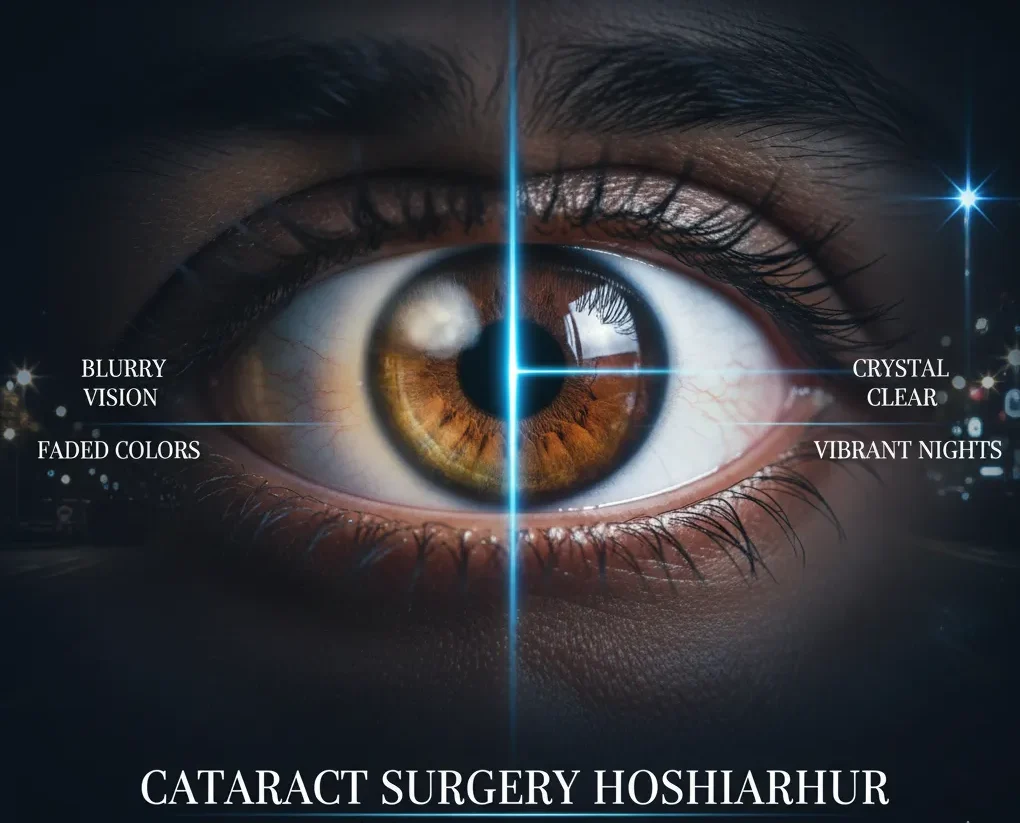
                                            It is recommended to undergo a comprehensive eye examination once every year, even if you have no symptoms. Regular check-ups help detect problems early, especially conditions like cataracts, glaucoma, diabetic eye disease, and refractive errors.

                                            The right treatment depends on your age, eye condition, corneal health, lifestyle, and overall medical history. At Thind Eye Hospital, every patient receives a detailed diagnostic evaluation using advanced technology.

                                            Choosing a NABH-accredited center like Thind Eye Hospital ensures you receive care that meets national and international quality standards. It guarantees safety, precision, trained experts, and ethical medical practices, giving patients greater confidence and better clinical outcomes.

                                            How Your Family History of Eye Disease Can Affect Vision: Expert Advice from Thind Eye Hospital

                                            Your family’s medical history plays a crucial role in determining your risk for various health conditions, including eye diseases. Many vision problems and serious eye conditions have a genetic component, meaning if someone in your family has been diagnosed with an eye disease, you may be at a higher risk of developing it. Understanding the family history of eye disease can help in early detection, prevention, and timely treatment.

                                            At Thind Eye Hospital, we emphasize the importance of knowing your family’s eye health history to safeguard your vision and that of future generations. A proactive approach to managing the family history of eye disease is essential in preserving long-term visual health.

                                            family history of eye disease


                                            Understanding the Importance of Family History in Eye Health and Disease Prevention

                                            Why Family History Matters in Eye Health

                                            Genetics significantly influence eye health. While lifestyle factors such as diet, screen time, and UV exposure contribute to eye conditions, hereditary factors often determine susceptibility to diseases like glaucoma, macular degeneration, and retinal disorders. Having a family history of eye disease substantially increases your risk and makes regular monitoring essential.

                                            If close family members, parents, siblings, or grandparents have had vision problems, it is essential to undergo regular eye checkups with a qualified ophthalmologist to monitor and manage potential risks related to the family history of eye disease.

                                                • Common Genetic Eye Diseases: Several serious eye conditions are known to run in families. Recognizing them early can make a significant difference in treatment outcomes.

                                                • Glaucoma: Glaucoma is a leading cause of irreversible blindness, often developing silently until significant damage occurs. Individuals with a family history of eye disease like glaucoma have a four to nine times higher risk of developing the condition. Regular screenings and intraocular pressure tests are essential for early detection and management.

                                                • Age-Related Macular Degeneration (AMD): Macular degeneration affects central vision and is a primary cause of vision loss in older adults. Genetic factors contribute significantly to the likelihood of developing AMD, especially if a close relative has been diagnosed with it. If there’s a family history of eye disease, early diagnosis through retina exams can slow progression and improve quality of life.

                                                • Diabetic Eye Disease: While diabetes itself has a genetic component, diabetic eye diseases such as diabetic retinopathy and macular edema can develop as complications. If diabetes runs in your family, annual eye screenings with a retina specialist can help detect and manage potential vision problems related to the family history of eye disease before they become severe.

                                                • Retinitis Pigmentosa: A rare, inherited disorder, retinitis pigmentosa causes progressive loss of night vision and peripheral vision. Since this condition often starts at a young age, early genetic testing and specialized care can help slow down its progression, especially when there’s a known family history of eye disease.

                                                • Cataracts: Though often associated with aging, cataracts can also have a genetic link. If your parents or grandparents developed cataracts at an early age, you may be predisposed. In cases involving a family history of eye disease, regular eye exams can help detect cataracts early and determine the right time for surgery.

                                              How to Protect Your Vision if You Have a Family History of Eye Disease


                                              While you cannot change your genetic makeup, you can take proactive steps to reduce the risk of developing hereditary eye diseases. A personalized strategy to manage your family history of eye disease can make a significant difference in outcomes.

                                              Regular Eye Exams with an Ophthalmologist:
                                              Early detection is key. A comprehensive eye exam at Thind Eye Hospital can help identify risk factors before symptoms appear. People with a family history of eye disease should have annual eye checkups, even if they have no vision complaints.

                                              Lifestyle Adjustments for Vision Health:

                                              Eat a Nutrient-Rich Diet: Include foods high in omega-3 fatty acids, lutein, zinc, and vitamin C to protect against vision loss.
                                              Exercise Regularly: Helps control conditions like diabetes and hypertension, which affect eye health.
                                              Quit Smoking: Smoking increases the risk of genetic eye diseases, particularly AMD and cataracts.

                                              Protect Your Eyes from External Damage:

                                              Wear Sunglasses: Choose UV-protected sunglasses to shield your eyes from harmful rays.
                                              Limit Screen Time: Follow the 20-20-20 rule (every 20 minutes, look 20 feet away for 20 seconds) to reduce eye strain.
                                              Use Safety Glasses: If you work in environments with dust, chemicals, or potential eye hazards, wear protective eyewear.

                                              Monitor for Warning Signs:
                                              If you experience blurry vision, difficulty seeing in low light, frequent headaches, or sudden vision loss, seek immediate medical attention. These could be early signs of a developing eye condition, especially if there’s a family history of eye disease.

                                              The Role of Genetic Testing in Eye Care:
                                              Advancements in medical science now allow for genetic testing to assess the likelihood of developing hereditary eye conditions. If your family has a history of eye disease, consulting a retina specialist at Thind Eye Hospital can help determine if genetic testing is right for you. This knowledge allows for personalized prevention strategies and better management of potential risks.

                                              Book an Eye Checkup at Thind Eye Hospital


                                              Understanding your family history of eye disease can help prevent vision loss and detect diseases early. At Thind Eye Hospital, our team of experienced ophthalmologists and retina specialists provides advanced diagnostic tools and personalized treatment plans to ensure optimal eye care.

                                              Take control of your eye health today. Schedule an appointment at Thind Eye Hospital and protect your vision for the future.

                                              Top 5 FAQs About Family History of Eye Disease

                                              Q. Why is my family history important for my eye health?

                                              A. A family history of eye disease can significantly increase your risk for developing hereditary conditions like glaucoma, macular degeneration, or retinitis pigmentosa.

                                              Q. How often should I get an eye exam if eye disease runs in my family?

                                              A. Annual comprehensive eye exams are recommended, even if you have no symptoms, to catch early warning signs related to genetic conditions.

                                              Q. Can eye diseases be prevented if they are genetic?

                                              A. While you can’t change your genetics, early detection, lifestyle choices, and regular monitoring can help prevent or delay the onset of many hereditary eye conditions.

                                              Q. Should I consider genetic testing for eye diseases?

                                              A. Yes, if you have a strong family history of eye disease. Genetic testing can help you understand your risk and guide preventative care.

                                              Q. What should I do if I notice symptoms and have a family history of eye disease?

                                              A. Seek immediate medical attention. Blurry vision, night blindness, or vision loss could indicate an inherited condition requiring prompt care from a retina or eye specialist.

                                              Early Signs of Cataract: How to Detect Vision Changes Early

                                              Cataracts develop slowly, often without pain, making them easy to overlook in the early stages. However, identifying the early signs of cataract can help prevent serious vision impairment and ensure timely treatment.

                                              At Thind Eye Hospital, a NABH-accredited super-specialty center in Jalandhar, early cataract diagnosis and management are handled by leading experts using state-of-the-art technology. Under the guidance of Dr. Jaswant Singh Thind, one of the most experienced cataract surgeons in Punjab, the hospital has helped thousands of patients regain clarity and confidence through timely cataract detection and treatment.

                                              If you’re noticing vision changes or wondering when to see an eye doctor for cataracts, this article will help you recognize key symptoms of cataracts in Jalandhar and take proactive steps for better eye health.

                                              What Is a Cataract?

                                              A cataract is the gradual clouding of the eye’s natural lens, leading to blurred or dim vision. It typically occurs with age but can also result from prolonged UV exposure, diabetes, smoking, or eye injuries.

                                              In its early stages, the cataract may not cause major vision problems, which is why understanding the early signs of cataract is crucial for timely diagnosis and treatment.

                                              Early Signs of Cataract You Shouldn’t Ignore

                                              Recognizing the early signs of cataract can make all the difference in preserving your vision. Here are the most common symptoms to watch for:

                                              1. Cloudy or Blurry Vision: If your vision appears hazy or blurred, like looking through a fogged-up window, it could be one of the first symptoms of cataract. Early clouding makes it difficult to see fine details clearly.

                                              2. Increased Sensitivity to Light: Experiencing discomfort or glare while looking at bright lights, sunlight, or headlights at night can indicate developing cataracts.

                                              3. Faded or Dull Colors: Colors may seem less vibrant, and whites might appear yellowish, one of the subtle early signs of cataract that often goes unnoticed.

                                              4. Poor Night Vision: If driving at night becomes difficult due to glare or low visibility, it’s time to consider cataract detection in Punjab.

                                              5. Frequent Prescription Changes: Needing frequent updates to your eyeglass or contact lens prescription is a classic indicator that cataracts may be forming.

                                              6. Double Vision in One Eye: Seeing double or multiple images in one eye is another early symptom, often caused by irregularities in the clouded lens.

                                              When to See an Eye Doctor for Cataract

                                              Many patients delay seeking treatment because early cataracts are painless. However, experts recommend seeing an eye doctor as soon as you notice:


                                                  • Blurry or cloudy vision

                                                  • Difficulty reading or seeing in low light

                                                  • Glare or halos around lights

                                                  • Dull or faded colors

                                                At Thind Eye Hospital, our specialists perform a detailed eye examination to identify even the faintest early signs of cataract and determine whether surgery or lifestyle management is necessary.

                                                If you’re in or around Jalandhar, don’t wait; schedule your cataract detection in Punjab early for the best outcomes.

                                                Cataract Detection and Diagnosis in Punjab

                                                Modern cataract detection is quick, painless, and highly accurate. At Thind Eye Hospital, patients undergo advanced diagnostic procedures, including:


                                                    • Slit-Lamp Examination: For direct observation of the lens.

                                                    • Retinal Evaluation: To rule out other vision disorders.

                                                    • Visual Acuity Test: Measures sharpness and clarity of vision.

                                                    • Digital Eye Scans: High-resolution imaging to detect even minor opacities.

                                                  These advanced tools help doctors confirm the symptoms of cataract in Jalandhar and decide whether early monitoring or surgical intervention is required.


                                                  Why Early Detection Matters

                                                  Timely detection of the early signs of cataract allows for:


                                                      • Better treatment planning before vision worsens

                                                      • Minimally invasive surgery if required

                                                      • Prevention of complications like secondary eye strain or accidents

                                                      • Improved post-surgical outcomes and quicker recovery

                                                    Delaying diagnosis can result in advanced cataracts that are harder to treat and may significantly impact daily life.

                                                    early signs of cataract


                                                    Advanced Cataract Treatment at Thind Eye Hospital

                                                    Thind Eye Hospital offers the most advanced solutions for cataract management in Punjab, including:

                                                    1. Laser Cataract Surgery (Blade-Free): Performed with Femtosecond Laser technology, this painless, stitchless procedure ensures unmatched precision and safety.

                                                    2. Phacoemulsification Surgery: A micro-incision surgery using ultrasonic energy to remove the cloudy lens is fast, safe, and highly effective.

                                                    3. Premium Intraocular Lens (IOL) Options: Choose from Monofocal, Multifocal, and Toric Lenses for improved post-surgery vision and freedom from glasses. Patients benefit from comprehensive cataract detection in Punjab, advanced diagnostics, and personalized treatment by one of the region’s most trusted surgeons.

                                                    Why Choose Thind Eye Hospital


                                                        • Over 38 years of experience in cataract and laser eye surgery

                                                        • First in North India to introduce blade-free cataract surgery

                                                        • NABH-accredited facility with international recognition

                                                        • Thousands of successful cataract surgeries each year

                                                        • Led by Dr. Jaswant Singh Thind, a globally recognized eye surgeon

                                                      Prevention Tips for Cataract

                                                      While cataracts can’t always be prevented, you can delay their onset by:


                                                          • Wearing UV-protective sunglasses outdoors

                                                          • Maintaining good blood sugar control (for diabetics)

                                                          • Avoiding smoking and alcohol consumption

                                                          • Eating antioxidant-rich foods (leafy greens, carrots, citrus fruits)

                                                          • Getting regular eye check-ups

                                                        If you’re over 40, schedule annual eye exams at Thind Eye Hospital to catch the early signs of cataract before they progress.

                                                        Conclusion

                                                        Recognizing the early signs of cataract can protect your sight and quality of life. Symptoms like blurry vision, poor night sight, and faded colors are often the first warning signs.

                                                        At Thind Eye Hospital, Jalandhar’s trusted name in eye care, cataract detection in Punjab is carried out with world-class precision and patient-first care. Led by Dr. Jaswant Singh Thind, one of the region’s most experienced eye surgeons, the hospital ensures accurate diagnosis and advanced treatment options.

                                                        If you’ve noticed any symptoms of cataract in Jalandhar, don’t delay, book an appointment today and take the first step toward clearer, brighter vision.

                                                        FAQs on Early Signs of Cataract

                                                        Cloudy vision, glare, faded colors, and frequent prescription changes are the most common early signs of cataract.

                                                        Patients often report difficulty seeing at night, double vision, and light sensitivity, all early indicators of cataract.

                                                        You should consult an ophthalmologist immediately if you experience blurred or dim vision, as these are key early symptoms.

                                                        At Thind Eye Hospital, cataract detection in Punjab is done through digital imaging, slit-lamp exams, and retinal assessments for early diagnosis.

                                                        In mild cases, updated glasses and stronger lighting may help temporarily, but surgery is the only long-term solution once cataracts progress.

                                                        Dr. Jaswant Singh Thind, Chief Eye Surgeon at Thind Eye Hospital, is a leading expert in early cataract detection and advanced laser cataract surgery.

                                                        Cataract Surgery in Hoshiarpur: Safe, Fast & 100% Blade-Free

                                                        Blurry vision, faded colours, and difficulty seeing at night, these are early signs of cataracts, a common but treatable condition that can cloud your vision. The good news? Modern technology has made cataract surgery in Hoshiarpur safer, faster, and completely blade-free.

                                                        At Thind Eye Hospital, a NABH-accredited super-speciality centre, patients now have access to world-class laser cataract operations in Hoshiarpur, performed with cutting-edge precision and minimal downtime. Led by Dr. Jaswant Singh Thind, one of India’s most experienced eye surgeons, the hospital offers advanced cataract care with proven success and faster recovery than ever before.

                                                        If you’re looking for a trusted, modern, and pain-free cataract solution, this is your guide to Hoshiarpur’s most advanced cataract centre.

                                                        What Is a Cataract, and Why Surgery Is Needed

                                                        A cataract occurs when the natural lens of the eye becomes cloudy, leading to reduced clarity and light sensitivity. Common symptoms include:

                                                            • Blurred or dim vision

                                                            • Difficulty seeing at night

                                                            • Sensitivity to glare

                                                            • Colours appearing faded or yellowed

                                                          Once cataracts develop, surgery is the only effective treatment. The cloudy lens is replaced with a clear, artificial intraocular lens (IOL), restoring sharp, bright vision.

                                                          With laser cataract surgery in Hoshiarpur, Thind Eye Hospital ensures maximum precision and comfort throughout the process.

                                                          Laser Cataract Operation in Hoshiarpur: How It Works

                                                          Gone are the days of manual cataract surgeries using surgical blades. At Thind Eye Hospital, the entire procedure is performed using femtosecond laser technology, ensuring 100% blade-free precision.

                                                          Step-by-Step Process:

                                                              • 3D Eye Mapping: Advanced imaging creates a detailed map of your eye.

                                                                • Laser Incisions: The femtosecond laser makes precise, computer-guided incisions, no blades involved.

                                                                • Lens Fragmentation: The laser gently softens and breaks the cataract for easy removal.

                                                                • Lens Replacement: A premium intraocular lens (IOL) is implanted for clear, long-term vision.

                                                                  This bladeless technique makes laser cataract operations in Hoshiarpur safer, quicker, and more accurate than traditional methods.


                                                              Why Choose Blade-Free Laser Cataract Surgery?

                                                              1. 100% Blade-Free Precision: The use of a femtosecond laser eliminates manual cutting, ensuring pinpoint accuracy and minimal trauma to surrounding tissues.

                                                              2. Painless and Quick Procedure: Surgery typically takes 10–15 minutes per eye, and patients experience no pain, only mild pressure during the procedure.

                                                              3. Faster Recovery: Thanks to advanced laser cataract surgery, most patients regain clear vision within 24 hours and return to normal activities in 2–3 days.

                                                              4. Enhanced Safety: Laser-guided accuracy significantly reduces infection risks and complications, making it the safest choice for all age groups.

                                                              5. Long-Term Vision Clarity: The premium intraocular lenses (IOLs) used at Thind Eye Hospital provide long-lasting visual sharpness with protection against UV rays.

                                                              No wonder blade-free cataract surgery in Hoshiarpur is fast becoming the gold standard in vision correction.

                                                              Why Thind Eye Hospital Is Hoshiarpur’s Most Advanced Cataract Center

                                                              1. Expert Surgeon: Dr. Jaswant Singh Thind: With over 38 years of experience and thousands of successful cataract surgeries, Dr. Thind is a pioneer in laser cataract operations in Punjab. He has introduced several modern ophthalmic techniques in North India.

                                                              2. NABH-Accredited Excellence: As a NABH-accredited eye hospital, Thind Eye Hospital guarantees top-tier safety, hygiene, and patient care standards.

                                                              3. Advanced Laser Technology: The hospital uses Femtosecond Laser and Phacoemulsification systems for truly blade-free cataract surgery, the same technology used at leading global eye institutions.

                                                              4. Personalised IOL Options: Patients can choose from a wide range of Monofocal, Multifocal, and Toric Lenses, each designed for specific vision needs.

                                                              5. Fast Recovery & Post-Operative Care: Comprehensive follow-up ensures complete recovery and long-term satisfaction.

                                                              Thind Eye Hospital’s commitment to precision and patient comfort makes it the most trusted advanced cataract center in Hoshiarpur.

                                                              Benefits of Laser Cataract Surgery in Hoshiarpur

                                                              Traditional Cataract SurgeryLaser Cataract Surgery (Thind Eye Hospital)
                                                              Manual incisions using bladesComputer-guided laser incisions
                                                              More tissue handlingMinimal contact, faster healing
                                                              Standard lens optionsPremium customized IOLs
                                                              1–2 week recovery24–48 hour recovery
                                                              Potential for minor complicationsSafer, highly precise outcomes

                                                              The difference is clear, laser cataract surgery in Hoshiarpur provides unparalleled precision, comfort, and clarity.

                                                              Patient Success Story

                                                              “My father got his laser cataract operation in Hoshiarpur at Thind Eye Hospital. The surgery took just 15 minutes, and his vision was clear the very next day. Truly world-class care right here in our city!”
                                                              — Ramanjeet Kaur, Hoshiarpur

                                                              “I was nervous about surgery, but Dr. Thind and his team made the experience smooth and painless. My vision is sharper than ever, highly recommended!”
                                                              — Harbhajan Singh, Dasuya

                                                              Cataract Surgery in Hoshiarpur

                                                              Conclusion

                                                              With blade-free laser cataract surgery in Hoshiarpur, Thind Eye Hospital brings the best of global ophthalmology to your doorstep. Using advanced femtosecond technology, premium lenses, and decades of surgical expertise, the hospital ensures safe, painless, and fast vision restoration.

                                                              As the most advanced cataract center in Hoshiarpur, Thind Eye Hospital combines innovation with compassion, making cataract care simpler, safer, and more effective than ever.

                                                              If you’re ready to see clearly again, book your consultation today and experience the future of laser cataract surgery in Hoshiarpur.

                                                              FAQs on Cataract Surgery in Hoshiarpur

                                                              Extremely safe. The hospital uses 100% laser technology and follows strict NABH safety protocols for every procedure.

                                                              Laser surgery is bladeless, more precise, and ensures faster healing compared to manual methods.

                                                              Most patients notice improved vision within 24 hours and resume normal activities in 2–3 days.

                                                              No. The surgery is performed under topical anesthesia and is completely painless.

                                                              All surgeries are led by Dr. Jaswant Singh Thind, a senior ophthalmic surgeon with 38+ years of experience.

                                                              Because it combines femtosecond laser technology, NABH accreditation, and decades of proven expertise for world-class outcomes.

                                                              Diabetic Eye Care in Hoshiarpur: Early Detection for Lifelong Vision

                                                              Diabetes doesn’t just affect your blood sugar; it can also silently damage your eyesight. Over time, high blood sugar levels can harm the tiny blood vessels in the retina, leading to diabetic retinopathy, one of the leading causes of vision loss among adults.

                                                              Fortunately, with regular diabetic eye care in Hoshiarpur and early diagnosis, this condition can be managed effectively, helping you maintain clear vision for life.

                                                              At Thind Eye Hospital, a NABH-accredited super-speciality centre, patients have access to advanced diagnostics, state-of-the-art retinal imaging, and leading retina specialists near you. This combination of expertise and technology ensures timely detection and personalised diabetic eye management for every patient.

                                                              Why Diabetic Eye Care Is Essential

                                                              Diabetic eye diseases often progress quietly, showing few or no symptoms in the early stages. By the time vision blurs or dark spots appear, irreversible damage may already have occurred.

                                                              Regular Diabetic Eye Exams Help To:

                                                                  • Detect diabetic retinopathy early

                                                                  • Monitor retinal blood vessels and macular health

                                                                  • Prevent severe complications like retinal detachment or blindness

                                                                  • Guide timely laser or injection-based treatments

                                                                Experts recommend that every person with diabetes undergo a comprehensive eye exam at least once a year, even if their vision seems normal.

                                                                Understanding Diabetic Retinopathy

                                                                Diabetic retinopathy is a complication of diabetes that affects the retina, the light-sensitive tissue at the back of the eye.

                                                                Types of Diabetic Retinopathy:

                                                                    • Non-Proliferative Diabetic Retinopathy (NPDR):
                                                                      •  
                                                                        • Early stage


                                                                        • Tiny blood vessels leak fluid or blood, causing swelling in the retina.
                                                                    • Proliferative Diabetic Retinopathy (PDR):
                                                                      •  
                                                                        • Advanced stage


                                                                        • New abnormal blood vessels form, increasing the risk of retinal bleeding and vision loss.

                                                                  If not treated promptly, both can progress to diabetic macular oedema (DME), swelling of the central retina that causes blurred or distorted vision.

                                                                  Thind Eye Hospital’s specialists are highly experienced in diagnosing and treating all stages of diabetic retinopathy in Hoshiarpur using world-class technology.

                                                                  Warning Signs You Shouldn’t Ignore

                                                                  Even if you don’t notice changes in your eyesight, diabetes can still damage your retina. Seek medical attention immediately if you experience:

                                                                      • Blurred or fluctuating vision

                                                                      • Dark or empty spots in your sight

                                                                      • Difficulty seeing at night

                                                                      • Frequent changes in your glasses prescription

                                                                      • Eye floaters or flashes of light

                                                                    Early evaluation by a retina specialist near you can save your vision and prevent long-term complications.

                                                                    Comprehensive Diabetic Eye Care at Thind Eye Hospital

                                                                    Thind Eye Hospital offers a complete range of diabetic eye care in Hoshiarpur, focusing on early detection, preventive management, and advanced treatment.

                                                                    1. Retinal Screening & Imaging

                                                                    Using advanced diagnostic tools such as:

                                                                        • Optical Coherence Tomography (OCT): Provides 3D images of retinal layers for detailed analysis.

                                                                        • Fundus Fluorescein Angiography (FFA): Detects abnormal or leaking blood vessels.

                                                                        • Digital Fundus Photography: Helps monitor diabetic changes over time.

                                                                      2. Laser Treatment (Photocoagulation): Laser therapy seals leaking vessels and prevents further retinal damage, effectively controlling diabetic retinopathy in Hoshiarpur.

                                                                      3. Anti-VEGF Injections: Used for macular oedema, these injections reduce fluid leakage and swelling in the retina, restoring vision quality.

                                                                      4. Vitrectomy Surgery: In advanced cases, minimally invasive vitreo-retinal surgery helps remove blood or scar tissue from inside the eye to restore sight.

                                                                      5. Ongoing Monitoring & Counselling: Thind Eye Hospital’s diabetic eye program includes regular checkups, lifestyle guidance, and coordination with your diabetologist for comprehensive care.

                                                                      Why Choose Thind Eye Hospital for Diabetic Eye Care in Hoshiarpur

                                                                      1. Expert Retina Specialists: Led by Dr. Kanwaljeet H. Madan and Dr. Sangeet Mittal, both renowned for their excellence in vitreo-retinal care, the hospital provides unmatched expertise for complex diabetic eye conditions.

                                                                      2. Advanced Diagnostic Technology: The hospital uses cutting-edge equipment like OCT, FFA, and laser platforms for accurate and early detection, ensuring no retinal detail goes unnoticed.

                                                                      3. NABH Accreditation & Proven Safety: As a NABH-accredited eye hospital, Thind Eye Hospital guarantees the highest quality of hygiene, safety, and clinical precision.

                                                                      4. Comprehensive Eye Care Under One Roof: From diabetic screening and retina management to cataract and LASIK, all treatments are available locally, so patients no longer need to travel to metro cities.

                                                                      5. Compassionate & Preventive Approach: Thind Eye Hospital focuses on education and early screening, empowering diabetic patients to take control of their vision health.

                                                                      How to Protect Your Eyes from Diabetic Damage

                                                                      Simple Preventive Steps:

                                                                          • Keep your blood sugar, blood pressure, and cholesterol under control.

                                                                          • Have regular eye exams every 6–12 months.

                                                                          • Quit smoking, it worsens blood vessel damage.

                                                                          • Eat antioxidant-rich foods (green vegetables, fish, citrus fruits).

                                                                          • Stay active and maintain a healthy weight.

                                                                        Early intervention can make the difference between lifelong vision and irreversible loss.

                                                                        Patient Story: From Blurred Vision to Bright Clarity

                                                                        “I had diabetes for 10 years, but ignored my eye health. During my visit to Thind Eye Hospital, I was diagnosed with early diabetic retinopathy. Thanks to timely laser treatment, my vision is back to normal. The doctors were caring and explained everything in detail.”
                                                                        — Sukhdev Singh, Hoshiarpur

                                                                        This story highlights the importance of regular diabetic eye care in Hoshiarpur and the impact of early detection.

                                                                        diabetic eye care Hoshiarpur

                                                                        Conclusion

                                                                        Diabetes may be lifelong, but vision loss doesn’t have to be. With early detection and expert management at Thind Eye Hospital, patients can protect their eyes from diabetic complications.

                                                                        As the leading centre for diabetic eye care in Hoshiarpur, equipped with advanced imaging and experienced retina specialists, Thind Eye Hospital ensures every patient receives the care they deserve, before it’s too late.

                                                                        Book your comprehensive diabetic eye screening today and take the first step toward lifelong vision health.

                                                                        FAQs on Diabetic Eye Care in Hoshiarpur

                                                                        Because diabetes can cause silent retinal damage long before symptoms appear. Regular screenings help detect and treat problems early.

                                                                        It’s a diabetes-related condition where high sugar levels damage the retina’s blood vessels, leading to vision loss if untreated.

                                                                        At least once a year, more frequently if diagnosed with diabetic retinopathy in Hoshiarpur.

                                                                        Thind Eye Hospital houses top retina specialists like Dr. Kanwaljeet H. Madan and Dr. Sangeet Mittal, experts in diabetic and retinal care.

                                                                        Early stages can be managed and stabilized with laser or medication. Advanced stages can be treated to preserve remaining vision.

                                                                        Yes. Thind Eye Hospital offers complete diabetic and retinal eye care with advanced laser systems and diagnostic technology right in Hoshiarpur.

                                                                        Pediatric Eye Checkups in Hoshiarpur Schools: A Vision for Every Child

                                                                        Good vision is a gateway to learning, confidence, and success, yet thousands of schoolchildren struggle with undetected eye problems every year. Recognising this, Thind Eye Hospital has taken a proactive step with its pediatric eye checkups in Hoshiarpur schools, ensuring that every child gets the clear vision they deserve.

                                                                        As part of its community health initiative and school eye camps in Punjab, Thind Eye Hospital, a NABH-accredited super-speciality eye care centre, is reaching classrooms across the district to identify and treat vision issues early.

                                                                        This initiative not only supports child health but also aligns with the hospital’s broader mission: “A Vision for Every Child.”

                                                                        Why Pediatric Eye Checkups Matter

                                                                        Children rely heavily on vision for learning, up to 80% of classroom learning occurs through sight. Unfortunately, many kids don’t realise they have vision issues, and parents may not notice until symptoms become severe.

                                                                        Common Eye Problems in Children:


                                                                            • Refractive errors (myopia, hyperopia, astigmatism)

                                                                            • Lazy eye (Amblyopia)

                                                                            • Squint (Strabismus)

                                                                            • Eye allergies or infections

                                                                            • Digital eye strain

                                                                          Early detection through pediatric eye checkups in Hoshiarpur helps prevent long-term complications and supports better learning outcomes.

                                                                          Thind Eye Hospital’s School Eye Camp Initiative

                                                                          Committed to promoting community health, Thind Eye Hospital regularly organises school eye camps in Punjab, including government and private schools across Hoshiarpur.

                                                                          Key Features of the Program:


                                                                              • On-site screenings: Expert optometrists visit schools to examine students’ eyes.

                                                                              • Visual acuity testing: Identifies nearsightedness, farsightedness, and other refractive errors.

                                                                              • Refraction and slit-lamp exams: For children needing detailed assessment.

                                                                              • Awareness sessions: Educating teachers and parents about eye health and hygiene.

                                                                              • Referral support: Children with eye issues are referred to the hospital for advanced evaluation and treatment.

                                                                            By combining medical precision with compassion, Thind Eye Hospital ensures that no child’s education is limited by poor vision.

                                                                            Impact of Pediatric Eye Checkups in Hoshiarpur

                                                                            1. Early Detection, Better Treatment: Eye issues detected in the classroom can often be corrected completely if treated early. The hospital’s outreach has already helped hundreds of students receive glasses or corrective care.

                                                                            2. Supporting Educational Growth: Children with clearer vision perform better academically, gain confidence, and participate more actively in learning.

                                                                            3. Promoting Health Equity: Through free and subsidised school eye camps in Punjab, Thind Eye Hospital extends its services to underprivileged communities, ensuring every child has access to quality child vision care in Hoshiarpur.

                                                                            4. Empowering Parents & Teachers: By raising awareness about eye health, these camps empower parents and educators to recognise early symptoms like frequent squinting, sitting too close to screens, or difficulty reading.

                                                                            Thind Eye Hospital: Leading Child Vision Care in Hoshiarpur

                                                                            1. NABH-Accredited Excellence: Thind Eye Hospital is one of Punjab’s leading NABH-accredited eye care institutions, ensuring international standards of hygiene, safety, and care.

                                                                            2. Specialized Pediatric Ophthalmology Department: The hospital houses a dedicated team of child eye specialists trained in diagnosing and treating pediatric vision problems.

                                                                            3. Advanced Diagnostic Technology: Using state-of-the-art screening tools like digital refractometers, retinoscopy systems, and slit-lamp imaging, the hospital ensures accurate, non-invasive testing for children.

                                                                            4. Community Outreach Programs: In addition to pediatric eye checkups in Hoshiarpur, Thind Eye Hospital organizes free cataract, glaucoma, and diabetic eye screening camps throughout Punjab.

                                                                            5. Partnerships with Schools & NGOs: Collaborations with local educational institutions and NGOs have expanded the hospital’s reach, ensuring continuity of vision care even in rural communities.

                                                                            What Parents Should Know About Child Vision Care

                                                                            Healthy vision is essential for learning and development. Parents should schedule routine eye exams for their children, especially before they begin school or show signs of eye strain.

                                                                            Signs Your Child May Need an Eye Checkup:


                                                                                • Frequent squinting or blinking

                                                                                • Rubbing eyes often

                                                                                • Complaints of headaches or blurred vision

                                                                                • Sitting too close to the TV or holding books too close

                                                                                • Struggling with reading or concentration

                                                                              If you notice these signs, visit Thind Eye Hospital for specialised child vision care in Hoshiarpur.

                                                                              Pediatric Eye Checkups in Hoshiarpur

                                                                              Success Stories from Local Schools

                                                                              “Over 400 students were screened in a single day during Thind Eye Hospital’s eye camp at our school. Many children received free glasses, and parents were thankful for this life-changing initiative.”
                                                                              — Principal, Government School, Hoshiarpur

                                                                              “My son’s vision issue was identified during a free screening camp. We didn’t even know he needed glasses. His grades have improved since then!”
                                                                              — Neha Sharma, Parent, Hoshiarpur

                                                                              These stories highlight how small interventions can make a big difference in a child’s future.

                                                                              Conclusion

                                                                              With its pediatric eye checkups in Hoshiarpur, Thind Eye Hospital is not only providing exceptional medical care but also building a foundation for healthier, more confident young learners.

                                                                              Through school eye camps across Punjab, the hospital is ensuring that every child, regardless of background, has the right to clear vision and a brighter future.

                                                                              By combining compassion, technology, and community service, Thind Eye Hospital is truly leading the way in child vision care in Hoshiarpur and beyond.

                                                                              FAQs on Pediatric Eye Checkups in Hoshiarpur

                                                                              Early checkups detect eye problems before they affect learning and help prevent long-term vision impairment.

                                                                              Experts recommend eye checkups every 6–12 months, especially for school-age children.

                                                                              Yes. The hospital regularly organizes school eye camps in Hoshiarpur and nearby districts as part of its community outreach.

                                                                              Yes. Most pediatric eye checkups in Hoshiarpur schools are free, with discounted treatments for children needing glasses or follow-up care.

                                                                              Children identified with vision issues are referred to Thind Eye Hospital for advanced evaluation and customized care plans.

                                                                              Schools or institutions can contact the hospital directly to schedule school eye camps in Punjab and participate in this CSR initiative.

                                                                              LASIK Surgery in Hoshiarpur: Advanced Blade-Free Vision Correction

                                                                              Clear, spectacle-free vision is no longer a luxury; it’s now within reach for everyone. With the arrival of advanced LASIK surgery in Hoshiarpur, patients can enjoy world-class vision correction without travelling far from home.

                                                                              At Thind Eye Hospital, a NABH-accredited super-speciality eye hospital, laser eye surgery has entered a new era of safety and precision. Using the Schwind Amaris 750S,  one of the most advanced excimer laser systems in the world, the hospital provides blade-free LASIK in Hoshiarpur for fast, painless, and long-lasting results.

                                                                              If you’ve been waiting for the right time and technology to correct your vision, Thind Eye Hospital brings both, right here in Hoshiarpur.

                                                                              What Is LASIK Surgery?

                                                                              LASIK (Laser-Assisted In Situ Keratomileusis) is a modern vision correction procedure that reshapes the cornea using laser technology to correct common refractive errors such as:

                                                                              • Nearsightedness (Myopia)
                                                                              • Farsightedness (Hyperopia)
                                                                              • Astigmatism

                                                                              Unlike traditional surgeries, LASIK is painless, stitchless, and performed in minutes, making it the most popular vision correction technique worldwide.

                                                                              Blade-Free LASIK: The Most Advanced Form of LASIK Surgery in Hoshiarpur

                                                                              Traditional LASIK involved creating a corneal flap using a blade (microkeratome). In contrast, blade-free LASIK, also known as femtosecond LASIK, uses laser energy to create this flap, completely eliminating the need for blades.

                                                                              Why Blade-Free LASIK Is Better:

                                                                              • 100% laser precision
                                                                              • Faster healing and reduced risk of complications
                                                                              • No mechanical blades involved
                                                                              • Ideal for patients with thin or irregular corneas

                                                                              This painless, all-laser process makes blade-free LASIK in Hoshiarpur the safest and most comfortable way to achieve perfect vision.

                                                                              Schwind Amaris 750S: The Power Behind Precision

                                                                              At Thind Eye Hospital, all LASIK procedures are performed using the Schwind Amaris 750S, a German-engineered laser system designed for accuracy, comfort, and speed.

                                                                              Key Features of Schwind Amaris 750S:

                                                                              • 6D Active Eye Tracking: Tracks every micro movement of the eye in real time.
                                                                              • 750 Hz Laser Speed: Allows treatment completion in just a few seconds.
                                                                              • Thermal Control System: Prevents corneal overheating for safety.
                                                                              • Wavefront-Guided Customisation: Ensures personalised correction for each eye’s anatomy.

                                                                              With such precision, Schwind Amaris LASIK in Hoshiarpur ensures better night vision, faster recovery, and outstanding long-term results.

                                                                              Why Choose Thind Eye Hospital for LASIK Surgery in Hoshiarpur

                                                                              1. Pioneers in Laser Vision Correction: Dr Jaswant Singh Thind, Chief Eye Surgeon, has over 38 years of surgical experience and has performed the highest number of LASIK, ICL, and SMILE procedures in India.

                                                                              2. NABH Accreditation & Trusted Reputation: Thind Eye Hospital is a NABH-accredited super-speciality hospital, ensuring the highest quality standards and patient safety.

                                                                              3. Advanced Blade-Free LASIK Technology: With the Schwind Amaris 750S, Hoshiarpur residents now have access to the same advanced laser technology used in world-class eye hospitals, right in their city.

                                                                              4. Comfortable, Painless Procedure: LASIK is performed under numbing eye drops. There’s no pain, no stitches, and most patients return home within an hour.

                                                                              5. Proven Patient Results: Thousands of satisfied patients across Punjab and abroad trust Thind Eye Hospital for their laser vision correction, making it the most trusted name for LASIK surgery in Hoshiarpur.

                                                                              What to Expect During and After LASIK Surgery

                                                                              Before Surgery:

                                                                              • Detailed eye examination
                                                                              • Corneal thickness and mapping analysis
                                                                              • Personalised LASIK plan based on vision profile

                                                                              During Surgery:

                                                                              • Procedure takes about 10–15 minutes for both eyes
                                                                              • No blades, no pain, only precision lasers
                                                                              • Clearer vision within hours

                                                                              After Surgery:

                                                                              • Mild dryness or glare may occur briefly
                                                                              • Vision stabilises within a week
                                                                              • Full recovery within 3–4 weeks

                                                                              Following post-surgery instructions ensures optimal results and fast healing.

                                                                              Benefits of LASIK Surgery at Thind Eye Hospital

                                                                              • Painless & Safe: 100% laser procedure with zero discomfort
                                                                              • Fast Recovery: Resume normal activities in 24 hours
                                                                              • Permanent Vision Correction: Long-lasting results with high accuracy
                                                                              • Affordable Packages: Transparent pricing and EMI options available
                                                                              • Global-Standard Technology: Schwind Amaris 750S ensures unmatched precision

                                                                              LASIK surgery in Hoshiarpur

                                                                              Conclusion

                                                                              LASIK surgery in Hoshiarpur has reached global standards, thanks to Thind Eye Hospital’s adoption of blade-free LASIK and the Schwind Amaris 750S system.

                                                                              Whether you’re nearsighted, farsighted, or tired of contact lenses, Thind Eye Hospital offers precise, painless, and permanent vision correction, performed by the most trusted experts in Punjab.

                                                                              If you’re ready to see the world clearly, book your consultation today and experience the future of vision correction in Hoshiarpur.

                                                                              FAQs on LASIK Surgery in Hoshiarpur

                                                                              The cost varies based on the technology and vision requirements, but Thind Eye Hospital offers affordable packages with flexible payment plans.

                                                                              Yes. Blade-free LASIK in Hoshiarpur offers higher precision, fewer complications, and faster recovery.

                                                                              It’s an advanced German laser used for LASIK, offering 6D eye tracking and ultra-fast correction for maximum safety and accuracy.

                                                                              Most patients return to normal activities within 24 hours, with complete stabilisation in a few days.

                                                                              Dr. Jaswant Singh Thind, a pioneer in refractive surgery with 38+ years of experience, personally oversees all LASIK procedures.

                                                                              No. The procedure is painless and done under numbing drops; most patients feel no discomfort at all.

                                                                              Best Eye Hospital in Hoshiarpur: Why Thind Eye Hospital Leads in Vision Care

                                                                              When it comes to protecting your vision, experience, technology, and trust matter most. For residents of Hoshiarpur and nearby areas, Thind Eye Hospital stands tall as the best eye hospital in Hoshiarpur, offering world-class care now closer to home.

                                                                              With 38+ years of surgical excellence, NABH accreditation, and a legacy of innovation, Thind Eye Hospital has expanded its network to bring advanced eye treatments and the region’s top ophthalmologists in Hoshiarpur under one roof.

                                                                              This article explores what makes Thind Eye Hospital the most trusted destination for comprehensive, high-precision eye care in Punjab.

                                                                              A Legacy of Excellence in Eye Care

                                                                              Founded in 1991 by Dr. Jaswant Singh Thind, a pioneer in refractive and cataract surgery, Thind Eye Hospital has grown from a small clinic in Jalandhar to a multi-super specialty NABH eye hospital in Punjab with branches across Hoshiarpur, Pathankot, and Jalandhar.

                                                                              Over the years, it has earned global recognition for surgical precision, compassionate care, and continuous innovation in ophthalmology.

                                                                              Key Achievements:

                                                                                  • NABH-accredited multi-speciality eye hospital

                                                                                  • Among the Top 10 Eye Hospitals in India (ICHA ranking)

                                                                                  • First in North India to introduce LASIK (1998) and Blade-Free LASIK (2007)

                                                                                  • Over 1 million successful eye procedures performed

                                                                                  • Serving patients from India, Canada, the UK, and the Middle East

                                                                                This long-standing legacy makes Thind Eye Hospital synonymous with trust, safety, and modern eye care in Punjab.

                                                                                Comprehensive Services at Thind Eye Hospital, Hoshiarpur


                                                                                As the best eye hospital in Hoshiarpur, Thind Eye Hospital offers the full spectrum of ophthalmic treatments under one roof, combining clinical excellence with advanced diagnostics.

                                                                                1. Cataract & Laser Cataract Surgery: Offering both phacoemulsification and femtosecond laser-assisted cataract surgery, the hospital ensures painless, blade-free, and stitch-less procedures using premium intraocular lenses.

                                                                                2. Refractive Surgery (LASIK, SMILE, ICL): For those seeking clear vision without glasses, Thind Eye Hospital provides advanced LASIK, SMILE Pro, and Implantable Contact Lens (ICL) surgeries using German-engineered Schwind Amaris 750S lasers.

                                                                                3. Retina & Vitreo-Retinal Care: Led by expert vitreoretinal surgeons, treatments for diabetic retinopathy, macular degeneration, and retinal detachment are performed with world-class equipment and precision.

                                                                                4. Glaucoma & Neuro-Ophthalmology Services: Early diagnosis and management of glaucoma are made possible through advanced optic nerve imaging and field analysis systems.

                                                                                5. Pediatric & Squint Treatment: Specialised care for children ensures healthy visual development, while advanced squint correction techniques restore visual alignment effectively.

                                                                                With such comprehensive offerings, Thind Eye Hospital truly delivers “All Eye Care Under One Roof.”

                                                                                Why Thind Eye Hospital Is the Best Eye Hospital in Hoshiarpur


                                                                                1. NABH-Accredited Excellence:
                                                                                As a NABH-accredited eye hospital in Punjab, Thind Eye Hospital follows the highest standards of patient safety, sterilisation, and surgical protocols, ensuring world-class care in Hoshiarpur.

                                                                                2. Team of Top Ophthalmologists in Hoshiarpur: The hospital’s success lies in its team of highly qualified eye specialists, including:

                                                                                    • Dr. Jaswant Singh Thind: Chief Eye Surgeon & Refractive Specialist

                                                                                    • Dr. Sangeet Mittal: Vitreo-Retinal Surgeon

                                                                                    • Dr. Apoorva Mittal: Oculoplasty & Neuro-Ophthalmology Expert

                                                                                    • Dr. Tejinder Nirmal Singh: Glaucoma Specialist

                                                                                  Their combined expertise ensures precise diagnosis, personalised treatment, and excellent surgical outcomes.

                                                                                  3. Advanced Technology That Redefines Eye Care: Thind Eye Hospital’s Hoshiarpur branch offers the same cutting-edge technology available at its flagship Jalandhar campus, including:

                                                                                      • Femtosecond Laser for Cataract

                                                                                      • OCT (Optical Coherence Tomography)

                                                                                      • 3D Retinal Imaging & Digital Phoropters

                                                                                    This ensures that patients no longer need to travel to metro cities, they can now experience advanced LASIK and cataract technology right in Hoshiarpur.

                                                                                    4. Personalised, Patient-Centric Care: Every patient at Thind Eye Hospital receives detailed consultations, transparent pricing, and individualised treatment plans, a hallmark of its trusted reputation.

                                                                                    5. Proven Track Record & Patient Trust: With over 1 million successful eye surgeries, Thind Eye Hospital continues to be the most trusted eye hospital in Hoshiarpur, known for blending compassion with clinical excellence.

                                                                                    Patient Testimonials

                                                                                    “I used to travel to Jalandhar for my father’s cataract checkups. Now that Thind Eye Hospital is in Hoshiarpur, the same world-class care is just 10 minutes away. We couldn’t be happier!”
                                                                                    — Baljit Singh, Hoshiarpur

                                                                                    “I got my LASIK done at Thind Eye Hospital, and the clarity is unbelievable. The doctors are kind, professional, and explain everything thoroughly.”
                                                                                    — Simran Kaur, Hoshiarpur

                                                                                    best eye hospital in Hoshiarpur

                                                                                    Community Eye Care & Social Responsibility

                                                                                    Beyond advanced treatments, Thind Eye Hospital actively contributes to community health by conducting:

                                                                                        • Free eye screening camps in rural Punjab

                                                                                        • School eye check-up programs for children

                                                                                        • Cataract awareness and prevention drives

                                                                                      This outreach reflects the hospital’s mission to make quality eye care accessible to everyone.

                                                                                      Conclusion

                                                                                      Thind Eye Hospital’s presence in Hoshiarpur brings global-standard vision care closer to you. With its NABH accreditation, state-of-the-art technology, and team of top ophthalmologists in Hoshiarpur, the hospital continues to lead Punjab’s eye care revolution.

                                                                                      Whether it’s cataract, LASIK, retina, or pediatric ophthalmology, Thind Eye Hospital is the clear choice for those seeking the best eye hospital in Hoshiarpur.

                                                                                      Book your consultation today and experience the clarity, care, and confidence that thousands of patients already trust.

                                                                                      FAQs on Best Eye Hospital in Hoshiarpur

                                                                                      Because it combines NABH-accredited safety standards, advanced laser technologies, and a team of the top ophthalmologists in Hoshiarpur, offering world-class care locally.

                                                                                      Yes. The hospital offers advanced LASIK and blade-free laser surgeries using the latest Schwind Amaris 750S system.

                                                                                      Yes. It is one of the few NABH-accredited eye hospitals in Punjab, guaranteeing global healthcare standards.

                                                                                      Cataract, LASIK, retina care, glaucoma management, pediatric ophthalmology, and neuro-ophthalmology are all available under one roof.

                                                                                      Yes. The hospital offers transparent, affordable packages for all major eye procedures without compromising on quality or safety.

                                                                                      Blade-Free LASIK Surgery in Punjab: The Future of Vision Correction

                                                                                      For decades, people have relied on glasses or contact lenses to see clearly. Today, that’s changing, thanks to blade-free LASIK surgery in Punjab, one of the safest and most advanced eye treatments in the world.

                                                                                      At Thind Eye Hospital, a NABH-accredited super-speciality eye care centre in Jalandhar, patients enjoy world-class precision powered by Schwind Amaris 750S, Germany’s most advanced laser technology for eye surgery. Under the expert guidance of Dr. Jaswant Singh Thind, a pioneer in refractive surgery, the hospital continues to redefine visual excellence across Punjab and beyond.

                                                                                      If you’re looking for safe, fast, and painless vision correction, bladeless LASIK in Punjab is the future.

                                                                                      blade-free LASIK surgery


                                                                                      What Is Blade-Free LASIK Surgery?

                                                                                      Traditional LASIK uses a microkeratome (a mechanical blade) to create a flap in the cornea. In contrast, blade-free LASIK surgery uses femtosecond laser technology for complete precision, no blade, no manual incisions.

                                                                                      How It Works:

                                                                                      1. A femtosecond laser creates a micro-thin corneal flap with 100% accuracy.
                                                                                      2. The Schwind Amaris 750S excimer laser reshapes the cornea to correct vision errors.
                                                                                      3. The flap naturally reseals itself, no stitches required.

                                                                                      This seamless, computer-guided process eliminates human error and ensures consistently excellent results.

                                                                                      Why Blade-Free LASIK Is the Future of Vision Correction

                                                                                      1. 100% Blade-Free and Painless: Since there are no mechanical blades, bladeless LASIK in Punjab offers a completely pain-free experience. The laser performs the flap creation with unmatched precision.

                                                                                      2. Ultra-Fast and Safe: Each eye takes just 5–10 minutes, and patients can return home the same day. Most notice clearer vision within hours of surgery.

                                                                                      3. Faster Recovery and Stability: Patients can resume regular activities within 24 hours. The advanced laser control minimises tissue disturbance, leading to faster healing.

                                                                                      4. Suitable for Thin Corneas: Many patients who were previously told they couldn’t have LASIK are now eligible for blade-free LASIK surgery in Punjab thanks to the precision of femtosecond technology.

                                                                                      5. Long-Term Results: Studies show blade-free LASIK provides sharper vision and higher stability over time, truly making it the future of vision correction.

                                                                                      Schwind Amaris 750S: The Power Behind Precision

                                                                                      At Thind Eye Hospital, laser precision meets world-class German engineering through the Schwind Amaris 750S system, one of the most advanced LASIK platforms in the world.

                                                                                      Key Features:

                                                                                      • 6D Active Eye Tracking: Tracks even micro eye movements in real-time.
                                                                                      • 750 Hz Repetition Rate: Corrects refractive errors in seconds.
                                                                                      • Wavefront-Guided Treatment: Customizes the laser path for each eye’s unique anatomy.
                                                                                      • Thermal Control: Prevents corneal overheating for safe treatment.

                                                                                      The Schwind Amaris 750S ensures that every procedure at Thind Eye Hospital is precise, quick, and comfortable, setting new benchmarks in advanced LASIK technology.

                                                                                      Why Choose Thind Eye Hospital for Blade-Free LASIK in Punjab


                                                                                      1. Unmatched Surgical Expertise:
                                                                                      Dr. Jaswant Singh Thind, Chief Eye Surgeon, has over 38 years of experience and has performed the highest number of LASIK, ICL, and SMILE surgeries in India.

                                                                                      2. NABH Accreditation & International Recognition: The hospital maintains world-class standards of hygiene and safety, a testament to its leadership in advanced LASIK technology.

                                                                                      3. Personalised LASIK Planning: Every patient receives custom laser correction based on corneal mapping, prescription history, and lifestyle.

                                                                                      4. Proven Patient Results: Thousands of successful procedures and glowing testimonials make Thind Eye Hospital the most trusted destination for bladeless LASIK in Punjab.

                                                                                      Before, During, and After the Procedure


                                                                                      Before Surgery:

                                                                                      • Eye mapping and corneal thickness measurement
                                                                                      • Personalized LASIK plan and consultation

                                                                                      During Surgery:

                                                                                      • Painless procedure under topical anesthesia
                                                                                      • Flap created and reshaped using Schwind Amaris 750S
                                                                                      • Takes less than 15 minutes for both eyes

                                                                                      After Surgery:

                                                                                      • Mild dryness or glare may occur for 1–2 days
                                                                                      • Vision improves significantly within hours
                                                                                      • Full visual clarity achieved in a week

                                                                                      Patients experience a life-changing difference, often calling it the best decision of their lives.

                                                                                      Patient Success Story

                                                                                      “After 12 years of glasses, I finally chose blade-free LASIK surgery in Punjab at Thind Eye Hospital. The care, technology, and professionalism were outstanding. My vision is perfect now!”
                                                                                      — Rohit Sharma, Ludhiana

                                                                                      “The Schwind Amaris laser made the whole process so quick and painless. Dr. Thind and his team truly changed my life!”
                                                                                      — Simran Kaur, Amritsar

                                                                                      Conclusion

                                                                                      Blade-free LASIK surgery in Punjab represents the pinnacle of vision correction, precise, painless, and personalized. Using Schwind Amaris 750S, Thind Eye Hospital continues to lead the way in advanced LASIK technology, offering unmatched safety and accuracy.

                                                                                      If you’re ready to say goodbye to glasses and embrace clear vision, schedule your consultation today at Thind Eye Hospital, the trusted destination for bladeless LASIK in Punjab.

                                                                                      FAQs on Blade-Free LASIK Surgery in Punjab

                                                                                      Blade-free LASIK uses femtosecond laser technology instead of a mechanical blade, ensuring higher safety and accuracy.

                                                                                      No. It’s a completely painless, all-laser procedure performed under numbing eye drops.

                                                                                      It’s a German-engineered laser system used for advanced LASIK technology, offering 6D tracking, fast correction, and customised results.

                                                                                      Anyone over 18 with stable vision and healthy corneas can be eligible after an evaluation at Thind Eye Hospital.

                                                                                      Most patients return to normal activities within 24 hours, with full visual stability in a week.

                                                                                      Because it combines 38+ years of surgical expertise, world-class laser systems, and a record of thousands of successful outcomes.

                                                                                      LASIK Eye Surgery Hospital near Ludhiana: Your Destination for Clear Vision

                                                                                      If you’re tired of glasses or contact lenses and want clear, natural vision, finding a trusted LASIK eye surgery hospital near Ludhiana is your first step.

                                                                                      At Thind Eye Hospital, one of Punjab’s leading NABH-accredited super-specialty centers, patients experience world-class laser vision correction powered by precision technology and decades of expertise. Led by Dr. Jaswant Singh Thind, a pioneer in refractive and laser eye surgery, the hospital is a preferred choice for patients seeking LASIK in Ludhiana, Punjab, and neighboring areas.

                                                                                      This article will guide you through what makes Thind Eye Hospital the top destination for LASIK surgery near you, including its advanced technology, safe procedures, and long-term results.

                                                                                      What Is LASIK Eye Surgery?

                                                                                      LASIK (Laser-Assisted In Situ Keratomileusis) is a quick and painless procedure that reshapes the cornea using an excimer laser to correct common vision problems such as:


                                                                                          • Nearsightedness (Myopia)

                                                                                          • Farsightedness (Hyperopia)

                                                                                          • Astigmatism

                                                                                        With just a few minutes per eye, LASIK delivers long-term freedom from glasses, making it one of the most trusted solutions for laser eye surgery in Punjab.

                                                                                        Why Choose Thind Eye Hospital for LASIK Eye Surgery near Ludhiana?

                                                                                        1. Decades of Surgical Excellence: Dr. Jaswant Singh Thind, MBBS, MS Ophthalmology, is one of India’s most experienced LASIK and refractive surgeons with over 38 years of surgical expertise and the highest number of LASIK, ICL, and SMILE procedures performed in India.

                                                                                        2. Cutting-Edge Laser Technology: Thind Eye Hospital uses the Schwind Amaris 750S, one of the world’s most advanced excimer laser systems. This ensures:


                                                                                            • 6D eye tracking for absolute accuracy

                                                                                            • Ultra-fast ablation speed (750 Hz)

                                                                                            • Wavefront-guided customization for sharper vision

                                                                                            • Blade-free, painless procedure

                                                                                          This combination of precision and comfort makes it the most advanced LASIK eye surgery hospital near Ludhiana.

                                                                                          3. NABH-Accredited Excellence: Being a NABH-accredited hospital, Thind Eye Hospital follows global standards of hygiene, technology, and patient safety, making it a trusted center for laser eye surgery in Punjab.

                                                                                          4. High Success Rates & Patient Satisfaction: Thousands of patients across Ludhiana, Jalandhar, and the rest of Punjab have chosen Thind Eye Hospital for LASIK due to its consistent results, superior aftercare, and fast recovery.

                                                                                          Types of LASIK Offered at Thind Eye Hospital

                                                                                          1. Blade-Free LASIK (Femtosecond LASIK): This all-laser technique eliminates the need for a blade, offering 100% precision and faster healing, a popular choice for those seeking LASIK in Ludhiana, Punjab.

                                                                                          2. Customized LASIK (Wavefront-Guided): Tailored to each patient’s corneal profile, customized LASIK enhances night vision and visual contrast.

                                                                                          3. Contoura Vision LASIK: The most advanced form of LASIK available, it uses corneal topography to deliver personalized laser correction, ensuring maximum sharpness.

                                                                                          Each procedure is designed for comfort, accuracy, and long-term clarity, which is why Thind Eye Hospital stands out among LASIK surgery hospitals near Ludhiana.

                                                                                          Benefits of LASIK Eye Surgery at Thind Eye Hospital


                                                                                              • Quick, painless, and blade-free

                                                                                              • Immediate visual improvement, most patients see clearly within hours

                                                                                              • Fast recovery, resume daily activities within 24–48 hours

                                                                                              • Permanent vision correction with high success rates

                                                                                              • Affordable options for every budget

                                                                                            When choosing LASIK surgery near you, safety and surgeon experience matter most, and Thind Eye Hospital delivers both.

                                                                                            Who Can Get LASIK in Ludhiana, Punjab?

                                                                                            You may be a good candidate for LASIK if you:
                                                                                            – Are over 18 years of age
                                                                                            – Have a stable prescription for at least one year
                                                                                            – Have healthy corneas and no major eye diseases
                                                                                            – Want long-term, spectacle-free vision

                                                                                            If you have thin corneas or are not suitable for LASIK, Thind Eye Hospital also offers ICL (Implantable Contact Lens) and SMILE Pro, other modern options for laser eye surgery in Punjab.

                                                                                            What to Expect After LASIK Surgery

                                                                                            Recovery Timeline:


                                                                                                • Day 1: Mild dryness or light sensitivity

                                                                                                • Day 2: Vision clears up significantly

                                                                                                • 1 Week: Most patients return to full routine

                                                                                                • 1 Month: Complete stabilization of vision

                                                                                              Post-Surgery Care:


                                                                                                  • Use prescribed drops as directed

                                                                                                  • Avoid rubbing eyes for a week

                                                                                                  • Wear sunglasses outdoors

                                                                                                  • Attend follow-up appointments for progress tracking

                                                                                                These simple steps ensure smooth recovery and long-term success after your LASIK eye surgery near Ludhiana.

                                                                                                LASIK eye surgery hospital near Ludhiana


                                                                                                Why Patients from Ludhiana Choose Thind Eye Hospital

                                                                                                Located just an hour away from Ludhiana, Thind Eye Hospital in Jalandhar is renowned across Punjab for its cutting-edge LASIK technology and high surgical precision.

                                                                                                Patients choose Thind because it offers:


                                                                                                    • Experienced surgeons and advanced infrastructure

                                                                                                    • Affordable LASIK packages

                                                                                                    • Transparent pricing with no hidden costs

                                                                                                    • Personalized treatment plans

                                                                                                  With thousands of satisfied patients, it’s no surprise that Thind Eye Hospital is regarded as the best LASIK eye surgery hospital near Ludhiana.

                                                                                                  Conclusion

                                                                                                  When it comes to vision correction, you deserve the safest and most advanced care. Thind Eye Hospital, with its state-of-the-art Schwind Amaris technology and decades of expertise, is the top choice for LASIK in Ludhiana, Punjab.

                                                                                                  Whether you’re searching for LASIK surgery near me or simply want trusted laser eye surgery in Punjab, Thind Eye Hospital delivers precision, safety, and lasting clarity, helping you see the world in high definition again.

                                                                                                  FAQs on LASIK Eye Surgery Hospital near Ludhiana

                                                                                                  Thind Eye Hospital in Jalandhar is the leading center for LASIK in Ludhiana, Punjab, offering advanced technology and trusted surgeons.

                                                                                                  It’s extremely safe when performed by experienced surgeons. Thind Eye Hospital uses the Schwind Amaris 750S laser system for precision and safety.

                                                                                                  The surgery takes about 10–15 minutes for both eyes, and most patients notice improved vision within a few hours.

                                                                                                  Costs vary based on technology and lens type, but Thind Eye Hospital offers affordable, transparent pricing with easy EMI options.

                                                                                                  Yes. Once your corneal shape is corrected, the results are permanent for most patients, with vision stabilizing in a few days.

                                                                                                  Dr. Jaswant Singh Thind, with over 38 years of experience, personally performs LASIK and other refractive surgeries with exceptional success rates.