
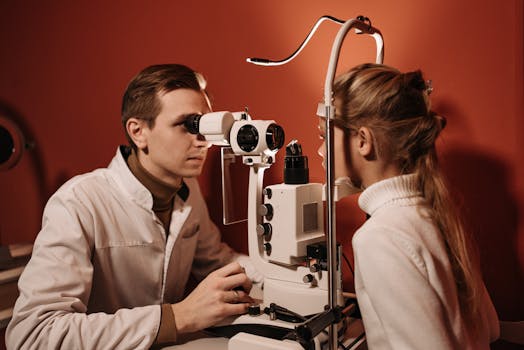
The Role of Technology in Modern Eye Care: Innovations You Should Know About

In recent years, eye care has been transformed by rapid technological advancements that have revolutionized how eye diseases are diagnosed, monitored, and treated. Patients today have access to faster, more accurate diagnostics and safer, more effective treatments than ever before. At our ophthalmology clinic, we are committed to utilizing modern eye care technology to deliver outstanding care and help patients preserve their vision for the long term.

This article explores the many ways technology is shaping the future of eye care and how these innovations are improving outcomes for patients who visit our eye care clinic and the best eye hospital near me.

Overview of Advancements in Eye Care Technology

Eye care technology has come a long way from traditional tools like manual eye charts and basic ophthalmoscopes. Today, cutting-edge equipment allows eye specialists to see the inner workings of the eye in unprecedented detail, often detecting problems before they become symptomatic.

From artificial intelligence-powered diagnostics to advanced surgical procedures, modern eye care technology is not only improving treatment options but also enhancing the patient experience. These advancements allow for:

  • Faster, more accurate diagnoses
  • Earlier detection of diseases
  • Minimally invasive treatments
  • Improved surgical outcomes
  • Personalized care plans

At our Thind Eye Hospital, we have invested in these innovations to offer our patients the highest standard of care possible.

How Technology Enhances Diagnostic Accuracy and Treatment Options

Accurate diagnosis is the cornerstone of effective eye care. Even minor errors in early diagnosis can lead to major complications if not addressed promptly. Thanks to modern eye care technology, eye specialists can now pinpoint problems with incredible precision.

  • Optical Coherence Tomography (OCT): OCT is one of the most groundbreaking diagnostic tools in ophthalmology. This non-invasive imaging technique provides high-resolution, cross-sectional images of the retina. It allows eye doctors to detect early signs of conditions like macular degeneration, diabetic retinopathy, and glaucoma, often before any noticeable symptoms appear.
  • Fundus Photography and Retinal Scanning: Digital fundus cameras capture detailed images of the back of the eye, helping specialists monitor changes in the retina, optic nerve, and blood vessels over time. This helps in diagnosing and tracking diseases like hypertensive retinopathy and diabetic retinopathy.
  • Corneal Topography: Corneal topography maps the surface curvature of the cornea, essential for diagnosing conditions like keratoconus and for planning vision correction surgery such as LASIK.
  • Artificial Intelligence (AI) in Diagnosis: AI-powered diagnostic tools are increasingly being used to analyze retinal images, helping doctors detect diseases with exceptional accuracy. These tools can analyze thousands of images in minutes, aiding in early diagnosis and allowing for faster treatment planning.

Laser Treatments, 3D Imaging, and Other Innovations in Eye Health

Modern technology is not only improving diagnosis but also revolutionizing treatment options available at the best eye hospital near me. Some of the most notable advancements include:

  • Laser-Assisted Cataract Surgery: Laser technology has made cataract surgery more precise and safer. Femtosecond lasers are now used to create incisions and break up the cloudy lens with extraordinary accuracy. This results in faster recovery times and better visual outcomes.
  • LASIK and SMILE Vision Correction Surgery: Vision correction surgery has evolved significantly. LASIK (Laser-Assisted In Situ Keratomileusis) reshapes the cornea to correct refractive errors like myopia, hyperopia, and astigmatism. The newer SMILE (Small Incision Lenticule Extraction) procedure offers even less invasive correction with faster recovery and fewer complications.
  • 3D Imaging and Surgical Navigation: 3D imaging systems now guide surgeons during complex eye surgeries, such as retinal detachment repairs or vitreoretinal surgeries. These systems enhance visualization, improving precision and safety during delicate procedures.
  • Intraocular Lenses (IOLs): Technological advancements have led to the development of premium IOLs that not only replace the clouded lens during cataract surgery but also correct refractive errors, reducing or eliminating the need for glasses or contact lenses post-surgery.
  • Minimally Invasive Glaucoma Surgery (MIGS): For glaucoma patients, MIGS offers safer, less invasive alternatives to traditional surgery. These procedures lower intraocular pressure while reducing surgical risks and recovery times.

The Role of Technology in Preventive Eye Care and Early Detection

Preventive care is one of the most important areas where technology is making a significant impact. Many serious eye conditions develop slowly and without symptoms until substantial damage has occurred. Advanced screening tools allow for the detection of these diseases before irreversible harm is done.

  • Screening for Diabetic Retinopathy: Patients with diabetes are at high risk for diabetic retinopathy. Modern retinal imaging systems can detect the earliest changes in the retina, allowing for early intervention and potentially preventing vision loss.
  • Early Glaucoma Detection: Glaucoma, often called the “silent thief of sight,” can now be detected in its earliest stages using tools like OCT and visual field testing. Early detection allows for timely treatment to preserve vision.
  • Genetic Testing and Personalized Medicine: Emerging technologies now allow for genetic testing to assess an individual’s risk for hereditary eye conditions. This enables doctors to create personalized prevention and monitoring plans tailored to each patient’s unique genetic profile.
  • Remote Monitoring and Telemedicine: Advancements in telemedicine now allow patients to consult with eye specialists from the comfort of their homes, improving access to care, especially for those living in remote areas. Remote monitoring devices can track intraocular pressure and retinal changes, sending data directly to doctors for analysis.

Schedule an Eye Care Consultation at Our Ophthalmology Clinic

At our ophthalmology clinic, we are proud to integrate these cutting-edge technologies into every aspect of our practice. Whether you need routine screenings, management of a chronic eye condition, or are considering advanced vision correction surgery, we offer state-of-the-art diagnostics and treatment options designed to preserve and improve your vision.

By combining the latest innovations with compassionate, patient-centered care, we ensure every patient receives the highest level of eye care possible. Our commitment to investing in modern eye care technology allows us to detect problems early, treat conditions more effectively, and offer patients a better quality of life.

Do not wait until symptoms appear. Book your comprehensive eye care consultation today at our advanced ophthalmology clinic and experience the benefits of modern technology for your vision health.

FAQs

It is recommended to undergo a comprehensive eye examination once every year, even if you have no symptoms. Regular check-ups help detect problems early, especially conditions like cataracts, glaucoma, diabetic eye disease, and refractive errors.

The right treatment depends on your age, eye condition, corneal health, lifestyle, and overall medical history. At Thind Eye Hospital, every patient receives a detailed diagnostic evaluation using advanced technology.

Choosing a NABH-accredited center like Thind Eye Hospital ensures you receive care that meets national and international quality standards. It guarantees safety, precision, trained experts, and ethical medical practices, giving patients greater confidence and better clinical outcomes.


How to Protect Your Eyes from UV Rays: Essential Tips for Sun Safety

In today’s world, where awareness about skin protection from the sun is widespread, many people still underestimate the importance of protecting their eyes from ultraviolet (UV) radiation. The truth is, your eyes are just as vulnerable to the sun’s harmful rays as your skin. Without proper protection, UV rays can lead to serious eye conditions, some of which may permanently affect your vision. Fortunately, with the right approach, you can minimize these risks and maintain healthy vision throughout your life.

In this article, we will explore why UV protection for the eyes is critical, the dangers associated with prolonged exposure, and the simple yet effective steps you can take to protect your vision. Our expert team at the best optical store is dedicated to providing patients with top-tier prescription sunglasses, advanced eye protection glasses, and comprehensive advice on cataract prevention.

Why UV Protection Is Essential for Eye Health

Ultraviolet rays are an invisible form of electromagnetic radiation emitted by the sun. Prolonged exposure to UV radiation can damage various parts of your eye, including the cornea, lens, and retina. While many associate UV damage primarily with skin cancer, the cumulative effect of UV rays on the eyes can result in multiple vision-threatening conditions.

The eyes, being delicate organs, cannot regenerate cells as efficiently as some other tissues in the body. This makes them particularly susceptible to long-term UV damage. Children, in particular, are at an even higher risk as their eyes absorb more UV light due to their clearer lenses. Therefore, practicing proper UV protection early in life can help prevent many future vision problems.

The Risks of UV Exposure and Its Effects on Your Vision

Failure to protect your eyes from UV rays can lead to several serious eye conditions. Understanding these risks helps highlight why investing in UV protection for eyes is not just a cosmetic choice but a vital health decision.

  • Cataracts: Cataract prevention is one of the most significant reasons to protect your eyes from UV rays. Cataracts occur when the eye’s lens becomes cloudy, leading to blurry vision, glare, and eventually vision loss if untreated. UV radiation accelerates the formation of cataracts by damaging the proteins in the lens.
  • Photokeratitis: Photokeratitis is essentially a sunburn of the eye. It occurs after intense short-term UV exposure, often experienced during activities like skiing or spending extended periods on beaches without eye protection. Symptoms include pain, redness, tearing, sensitivity to light, and temporary vision loss.
  • Macular Degeneration: Long-term UV exposure is considered a contributing factor to age-related macular degeneration (AMD). The macula is responsible for central vision, and its deterioration can severely affect reading, driving, and recognizing faces.
  • Pterygium: Pterygium, often called “surfer’s eye,” is a growth of tissue on the white part of the eye. While it’s non-cancerous, it can grow large enough to interfere with vision and may require surgical removal.
  • Skin Cancer Around the Eyes: The thin, sensitive skin surrounding the eyes is vulnerable to UV-induced skin cancers such as basal cell carcinoma, squamous cell carcinoma, and melanoma. Proper eye protection glasses and hats can help reduce this risk.

Tips for Effective UV Protection

Thankfully, UV protection is simple, affordable, and effective if approached correctly. Here are several proven tips to protect your eyes from UV rays:

  • Wear High-Quality Sunglasses: The first and most crucial step is to wear UV protection for eyes with sunglasses that block 100% of both UVA and UVB rays. Always check the label to confirm full UV protection. Merely dark-tinted lenses without proper UV filtering can be dangerous, as they may dilate your pupils and allow more UV rays to enter.
  • Use Prescription Sunglasses: For individuals who require vision correction, prescription sunglasses serve dual purposes — correcting vision while providing maximum UV protection. Our best optical store offers a wide selection of stylish and effective prescription sunglasses suitable for various vision needs.
  • Opt for Wraparound Frames: Wraparound frames prevent sunlight from entering from the sides of the lenses, offering complete protection against indirect UV rays, which are just as harmful.
  • Wear Wide-Brimmed Hats: A wide-brimmed hat can reduce UV exposure to your eyes by up to 50%. When combined with proper sunglasses, hats provide a strong defense against the sun.
  • Avoid Peak Sun Hours: Whenever possible, avoid direct sunlight during peak hours (10 a.m. to 4 p.m.), when UV rays are at their strongest.
  • Use Contact Lenses with UV Protection: Some contact lenses come with built-in UV-blocking technology. While they do not replace sunglasses, they offer additional protection for people who wear contacts regularly.
  • Educate and Protect Children Early: Children’s eyes are more vulnerable to UV damage. Ensuring they wear eye protection glasses whenever outdoors will set good habits that protect their vision long-term.

Choosing the Right UV-Protective Sunglasses and Eye Protection Glasses

Not all sunglasses are created equal. When selecting UV-protective eyewear, you should consider several important factors to ensure maximum safety and comfort.

  • Look for UV400 or 100% UV Protection Labels: Always verify that your sunglasses block 100% of UVA and UVB rays. This should be your non-negotiable baseline when making a purchase.
  • Consider Polarized Lenses: While polarization does not increase UV protection, it helps reduce glare from reflective surfaces like water, sand, and snow. This adds comfort and visual clarity, especially during outdoor activities.
  • Choose Wraparound and Large Frame Styles: Larger lenses and wraparound frames provide better peripheral protection, minimizing UV exposure from the sides.
  • Photochromic Lenses: Photochromic lenses automatically adjust their tint based on sunlight exposure, making them highly convenient for people who transition frequently between indoor and outdoor settings.
  • Consult an Optical Professional: The best way to ensure your sunglasses offer proper protection is to visit our optical store. Our experts can assess your specific vision needs, explain the available options, and help you select the perfect combination of fashion, comfort, and effective protection.

Visit Our Optical Store for Expert Recommendations and Prescriptions

UV protection is not just about avoiding discomfort or short-term issues; it’s an essential part of preserving your long-term vision. At Thind Eye Hospital’s optical store, we offer a comprehensive range of prescription sunglasses, high-quality eye protection glasses, and professional consultations tailored to your unique needs.

Whether you’re buying sunglasses for daily use, outdoor sports, or work, our experts ensure that you walk away with the best protection available. We combine advanced technology with personalized care to deliver eyewear that not only looks great but actively shields your eyes from harmful UV exposure.

Take proactive steps today. Schedule an appointment with our vision care specialists or visit our optical store to explore a curated selection of medically approved UV protection eyewear. Your eyes deserve the best care, and we are here to provide it.

FAQs

It is recommended to undergo a comprehensive eye examination once every year, even if you have no symptoms. Regular check-ups help detect problems early, especially conditions like cataracts, glaucoma, diabetic eye disease, and refractive errors.

The right treatment depends on your age, eye condition, corneal health, lifestyle, and overall medical history. At Thind Eye Hospital, every patient receives a detailed diagnostic evaluation using advanced technology.

Choosing a NABH-accredited center like Thind Eye Hospital ensures you receive care that meets national and international quality standards. It guarantees safety, precision, trained experts, and ethical medical practices, giving patients greater confidence and better clinical outcomes.
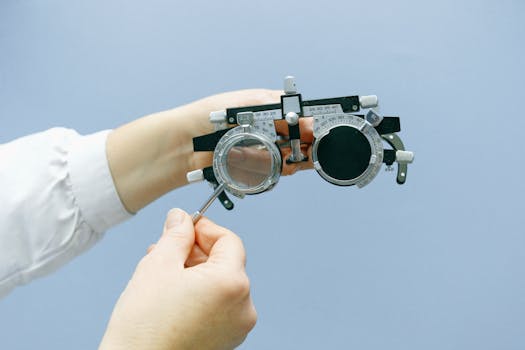
How Sleep Affects Your Eye Health and What You Can Do About It

In today’s fast-paced world, sleep is often sacrificed for work, social activities, or screen time. While most people are aware that poor sleep can affect their mood, concentration, and overall health, many overlook the crucial connection between sleep and eye health. Your eyes, just like the rest of your body, require adequate rest to function optimally. Insufficient or poor-quality sleep can lead to several eye-related issues such as dryness, strain, fatigue, and even blurry vision, potentially impacting your quality of life.

At Thind Eye Hospital, our team of dedicated specialists emphasizes the importance of understanding how sleep affects your vision and offers personalized solutions for maintaining optimal eye health. In this comprehensive guide, we will explore the link between sleep and eye health, the risks associated with poor sleep, and practical steps you can take to protect your vision.

1. The Connection Between Sleep and Eye Health

Your eyes are one of the most active parts of your body throughout the day. They are constantly processing information, adjusting to different light levels, and allowing you to focus on various tasks. Sleep is the period during which your eyes rest and rejuvenate. During the rapid eye movement (REM) phase of sleep, your eyes perform essential maintenance that helps to refresh the tear film, repair tissue damage, and prepare for the demands of the next day.

When you consistently fail to get sufficient sleep, your eyes don’t get the recovery time they need. Over time, this can lead to various complications that may require the intervention of an eye specialist near you.

Key functions of sleep for eye health include:

  • Maintaining moisture balance and tear production
  • Reducing oxidative stress and inflammation
  • Supporting visual processing and cognitive function
  • Promoting tissue repair and regeneration

Neglecting adequate sleep can interfere with these vital processes, making your eyes more vulnerable to problems.

2. How Poor Sleep Can Contribute to Eye Strain, Dryness, and Blurry Vision

Sleep deprivation affects your vision in multiple ways. Many patients visiting our clinic report symptoms such as eye strain, dryness, and even blurry vision directly related to poor sleep patterns.

Eye Strain and Fatigue: One of the most common issues linked to insufficient sleep is eye strain. Tired eyes struggle to focus properly, leading to discomfort, headaches, and difficulty concentrating. This becomes even more problematic for people who spend significant time in front of digital screens, compounding the problem with digital eye strain.

Dry Eyes: Sleep is essential for maintaining the tear film that protects and lubricates your eyes. Poor sleep can reduce tear production, leading to dry eye syndrome. Symptoms include:

  • Burning or stinging sensations
  • Gritty feeling in the eyes
  • Redness and irritation
  • Sensitivity to light

If left untreated, chronic dry eyes can lead to further complications and require professional blurry vision treatment and specialized care from an eye fatigue specialist.

Blurry Vision: When your eyes are fatigued from lack of sleep, their ability to focus diminishes. This can result in intermittent blurry vision, difficulty reading, and trouble seeing clearly at various distances. Chronic blurred vision due to sleep deprivation may indicate underlying eye health issues that warrant a thorough examination by an eye specialist near you.

Increased Risk of Eye Diseases: Long-term sleep deprivation has also been linked to an increased risk of serious eye conditions such as glaucoma and optic neuropathy, both of which can lead to permanent vision loss if not managed promptly.

3. Tips for Improving Sleep Hygiene to Protect Your Eyes

Fortunately, there are several proactive steps you can take to improve both your sleep quality and your eye health:

  • Establish a Consistent Sleep Schedule: Going to bed and waking up at the same time each day helps regulate your body’s internal clock, leading to more restful sleep and better eye function.
  • Limit Screen Time Before Bed: Exposure to blue light from digital devices suppresses melatonin production, making it harder to fall asleep. Try to limit screen use at least 1-2 hours before bedtime to allow your eyes to relax.
  • Create a Sleep-Friendly Environment: Ensure your bedroom is dark, quiet, and cool. Consider using blackout curtains, white noise machines, or eye masks to minimize disturbances.
  • Stay Hydrated: Adequate hydration supports tear production and helps prevent dry eye symptoms. Be sure to drink enough water throughout the day but limit liquids close to bedtime to avoid disruptions.
  • Avoid Stimulants: Limit consumption of caffeine, nicotine, and alcohol, especially in the evening hours, as they can interfere with sleep quality.
  • Practice Relaxation Techniques: Meditation, deep breathing, and gentle stretching before bed can help reduce stress, promoting deeper, more restorative sleep.

By incorporating these habits into your daily routine, you not only improve your sleep but also support healthier eyes.

4. The Role of Eye Strain Relief Exercises and Treatments

In addition to improving sleep habits, specific exercises and treatments can alleviate eye strain and promote better visual comfort, especially for those frequently exposed to screens or detailed work.

  • 20-20-20 Rule: Every 20 minutes, take a 20-second break to look at something 20 feet away. This helps relax the focusing muscles of your eyes and reduces strain.
  • Blink Regularly: Frequent blinking keeps your eyes lubricated, especially when using screens that can subconsciously reduce blinking frequency.
  • Warm Compresses: Applying a warm compress can help relax eye muscles, stimulate tear production, and alleviate discomfort from dry eye symptoms.
  • Artificial Tears: Over-the-counter lubricating eye drops can temporarily relieve dryness and irritation, but chronic symptoms should be assessed by an eye fatigue specialist.
  • Professional Treatments: If your symptoms persist, professional treatments such as customized blurry vision treatment plans, digital eye strain therapy, or medical interventions may be necessary. At Thind Eye Hospital, our specialists offer advanced, individualized care for patients experiencing sleep-related eye issues.

5. Book an Appointment with Our Eye Specialist for Personalized Advice

Your eyes reflect your overall health, and adequate sleep plays a crucial role in maintaining clear vision and long-term eye wellness. If you’re experiencing persistent symptoms like blurry vision, eye fatigue, or strain, it’s essential to seek expert care.

At Thind Eye Hospital, our experienced team of eye specialists near you provides comprehensive evaluations and customized treatment plans designed to address sleep-related vision issues. With state-of-the-art equipment, compassionate care, and evidence-based therapies, we are committed to preserving your eye health and improving your quality of life.

Don’t wait for symptoms to worsen. Take control of your eye health today by scheduling an appointment with our specialists. Let us help you enjoy better sleep, clearer vision, and healthier eyes for years to come.

FAQs

It is recommended to undergo a comprehensive eye examination once every year, even if you have no symptoms. Regular check-ups help detect problems early, especially conditions like cataracts, glaucoma, diabetic eye disease, and refractive errors.

The right treatment depends on your age, eye condition, corneal health, lifestyle, and overall medical history. At Thind Eye Hospital, every patient receives a detailed diagnostic evaluation using advanced technology.

Choosing a NABH-accredited center like Thind Eye Hospital ensures you receive care that meets national and international quality standards. It guarantees safety, precision, trained experts, and ethical medical practices, giving patients greater confidence and better clinical outcomes.
How to Manage and Treat Common Eye Infections Effectively

Eye infections are a common concern that can affect people of all ages, leading to discomfort, vision problems, and even serious complications if left untreated. Whether it’s a case of red eye, viral eye flu, or conjunctivitis, timely and effective eye infection treatment is crucial for relief and recovery.

At Thind Eye Hospital, the best ophthalmology clinic in Jalandhar, we frequently treat a wide range of eye infections, offering patients the reassurance of expert care, rapid diagnosis, and advanced treatments. In this guide, we’ll explore the most common types of eye infections, their symptoms, treatment options, and how you can prevent future occurrences. If you’re seeking emergency eye care in Jalandhar, you can count on our experienced ophthalmologists to restore your vision health safely and effectively.

1. Common Types of Eye Infections

Understanding the different types of eye infections helps identify the problem early and choose the right course of treatment. The most frequently seen infections at our clinic include:

Red Eye (Conjunctivitis)

Often referred to as pink eye, conjunctivitis is the inflammation of the conjunctiva—the transparent membrane that lines your eyelid and covers the white part of your eyeball. It can be:

      • Viral (commonly called eye flu)

      • Bacterial

      • Allergic

    Viral conjunctivitis spreads rapidly and is often seen during seasonal outbreaks, while bacterial conjunctivitis tends to cause a sticky discharge. Allergic conjunctivitis is not contagious but can be irritating due to environmental triggers like pollen or dust.

    Blepharitis: An inflammation of the eyelids is often caused by bacteria, blocked oil glands, or skin conditions. It results in red, swollen, itchy eyelids and crusting.

    Stye (Hordeolum): A stye is a painful, red lump on the edge of the eyelid caused by a bacterial infection in an oil gland.

    Keratitis: An infection of the cornea, can be caused by bacteria, viruses, fungi, or parasites. It’s a serious condition that can affect vision if not treated promptly.

    Eye Flu (Viral Conjunctivitis): Highly contagious and common during flu season. It spreads through hand-eye contact, shared personal items, or exposure to respiratory droplets.

    2. Symptoms and When to Seek Treatment

    Eye infections typically present with a combination of the following symptoms:

        • Redness in one or both eyes

        • Eye discharge (watery, yellow, or green)

        • Itching or burning sensation

        • A gritty feeling, like something, is in the eye

        • Light sensitivity

        • Puffy or swollen eyelids

        • Blurred vision

        • Tearing or dryness

        • Crusting around the eyes, especially after sleep

      If any of these symptoms persist for more than 24-48 hours or worsen, it’s essential to consult a doctor. In cases of severe redness, vision changes, intense pain, or if the infection is affecting a child, immediate attention from a qualified eye specialist is necessary.

      At Thind Eye Hospital, we prioritize emergency eye care in Jalandhar, ensuring patients get timely intervention to avoid complications like corneal ulcers or long-term vision damage.

      3. Effective Treatment Options for Eye Infections

      At our ophthalmology clinic, treatment is tailored to the type of infection and severity. Here’s an overview of the most common approaches:

      Antibiotic or Antiviral Eye Drops and Ointments: Used to treat bacterial infections or viral infections like herpes simplex keratitis. Antibiotics are usually not required for viral conjunctivitis unless there is a secondary bacterial infection.


      Artificial Tears and Lubricants: These relieve discomfort, flush out irritants, and keep the eyes moist during recovery.


      Anti-inflammatory Medications: Steroid eye drops or oral anti-inflammatory drugs may be prescribed in severe cases to reduce inflammation and pain.


      Warm Compresses: Applied to the eyes several times a day to reduce swelling, especially for styes and blepharitis.


      Cleaning Regimens: Gentle cleansing of the eyelids with prescribed solutions is crucial in managing blepharitis or style formation.


      Proper Hygiene: Instructing patients to avoid touching their eyes, not sharing personal items, and frequent handwashing to prevent further spread or reinfection.

      With advanced diagnostic equipment and a team of skilled professionals, Thind Eye Hospital ensures the correct identification of pathogens and delivers the most effective eye infection treatment for each patient.

      4. How to Prevent Eye Infections in the Future

      Prevention plays a critical role in maintaining eye health and avoiding recurrent infections. Here are the top tips we recommend to all patients:

          • Wash your hands frequently, especially before touching your eyes or face.

          • Avoid sharing towels, pillowcases, eye drops, or makeup.

          • Replace eye cosmetics regularly—especially mascara and eyeliner—and never share them.

          • Clean and store contact lenses properly. Avoid wearing them while swimming or sleeping unless prescribed.

          • Use protective eyewear in dusty or polluted environments.

          • Practice good digital hygiene to avoid eye fatigue, which can make the eyes more susceptible to infections.

          • Stay updated on seasonal outbreaks of eye flu, especially if you’re prone to viral infections.

        Thind Eye Hospital also provides educational counseling to patients and families on best practices to safeguard against eye infections and complications.

        5. Visit Our Clinic for Emergency Eye Care and Professional Treatment

        Ignoring eye infection symptoms or trying home remedies without expert guidance can lead to serious outcomes—such as corneal scarring, vision loss, or the spread of infection. Early diagnosis and professional treatment significantly improve outcomes and reduce recovery time.

        At Thind Eye Hospital, we are proud to be recognized as the best ophthalmology clinic in Jalandhar. Our specialists provide:

            • Comprehensive eye evaluations

            • Lab-supported infection diagnosis

            • Custom treatment plans for adults and children

            • On-site pharmacy for easy access to medications

            • Dedicated support for emergency eye care and after-hours cases

          Whether you need red eye treatment, have a recurring eye flu issue, or suspect a more severe infection, we’re here to help with fast, compassionate, and clinically proven solutions.

          Book Your Eye Doctor Appointment Today

          Don’t let eye infections go untreated. Protect your vision and relieve discomfort by scheduling your eye doctor appointment at Thind Eye Hospital. Our expert ophthalmologists will assess your condition, provide accurate diagnosis, and deliver effective eye infection treatment in a safe and supportive environment.

          Call us today or visit our website to book your appointment—because your eyes deserve the best care in Jalandhar.

          FAQs

          It is recommended to undergo a comprehensive eye examination once every year, even if you have no symptoms. Regular check-ups help detect problems early, especially conditions like cataracts, glaucoma, diabetic eye disease, and refractive errors.

          The right treatment depends on your age, eye condition, corneal health, lifestyle, and overall medical history. At Thind Eye Hospital, every patient receives a detailed diagnostic evaluation using advanced technology.

          Choosing a NABH-accredited center like Thind Eye Hospital ensures you receive care that meets national and international quality standards. It guarantees safety, precision, trained experts, and ethical medical practices, giving patients greater confidence and better clinical outcomes.

          What You Should Know About Diabetic Retinopathy: Early Detection and Treatment

          Diabetic retinopathy is one of the leading causes of vision impairment and blindness among adults with diabetes. Despite its seriousness, this condition is often overlooked until it progresses to an advanced stage. However, with timely screening and expert care, vision loss can often be prevented or minimized. Understanding the importance of diabetic retinopathy treatment, early detection, and professional management can significantly impact eye health and quality of life for individuals living with diabetes.

          At Thind Eye Hospital—recognized as the best eye hospital in Jalandhar—our retina specialists and ophthalmologists are dedicated to providing comprehensive care for patients at every stage of diabetic eye disease. In this article, we will explore what diabetic retinopathy is, its warning signs, risk factors, treatment options, and why regular screening through an eye doctor appointment is essential.

          What Is Diabetic Retinopathy?

          Diabetic retinopathy is a complication of diabetes that affects the blood vessels of the retina—the light-sensitive tissue at the back of the eye. Over time, high blood sugar levels can damage these delicate blood vessels, causing them to leak, swell, or close off completely. In advanced cases, new abnormal blood vessels may form, leading to further vision problems and even permanent blindness.

          There are two main stages of diabetic retinopathy:

              • Non-Proliferative Diabetic Retinopathy (NPDR): This early stage involves blood vessel leakage and mild retinal swelling.

              • Proliferative Diabetic Retinopathy (PDR): In this more advanced stage, new blood vessels form abnormally and can bleed into the vitreous, causing serious vision loss or retinal detachment.

            Another common condition linked with diabetic retinopathy is diabetic macular edema (DME)—a buildup of fluid in the macula, the part of the retina responsible for sharp central vision. DME can occur at any stage and significantly impacts daily activities such as reading or driving.

            Risk Factors and Symptoms of Diabetic Retinopathy

            Anyone with type 1 or type 2 diabetes is at risk of developing diabetic retinopathy. However, certain factors increase this risk and the severity of the disease:

            Major Risk Factors:

                • Duration of diabetes – The longer you have diabetes, the higher your risk.

                • Poor blood sugar control

                • High blood pressure and cholesterol

                • Pregnancy

                • Smoking

                • Kidney disease


              Common Symptoms:

              In its early stages, diabetic retinopathy may have no noticeable symptoms. This is why many people remain undiagnosed until irreversible damage has occurred. As the condition progresses, symptoms may include:

                  • Blurry or fluctuating vision

                  • Dark spots or floaters

                  • Impaired color vision

                  • Difficulty seeing at night

                  • Sudden loss of vision

                These symptoms signal the need for an immediate eye doctor appointment, especially if you’re living with diabetes. Regular visits to an ophthalmology clinic can ensure early diagnosis and timely intervention.

                Importance of Early Detection and Screening

                Early detection is the most effective way to protect against diabetic retinopathy-related vision loss. Regular diabetic eye exams help monitor retinal health and detect changes long before symptoms develop. A comprehensive eye exam includes:

                    • Dilated eye examination

                    • Fundus photography

                    • Optical Coherence Tomography (OCT)

                    • Fluorescein angiography (in advanced cases)

                  Screening should be performed:

                      • Annually for people with type 1 or type 2 diabetes

                      • More frequently if signs of retinopathy or other eye conditions are present

                      • During pregnancy for diabetic mothers due to an increased risk

                    At Thind Eye Hospital, our advanced imaging technologies allow for precise diagnosis, monitoring, and personalized diabetic retinopathy treatment. Early detection not only prevents further damage but also opens up a wider range of non-invasive treatment options.

                    Treatment Options Available at Our Clinic

                    Thind Eye Hospital’s retina specialists are trained to offer cutting-edge treatments that address each stage of diabetic retinopathy. The goal of treatment is to slow or stop the progression of the disease and, in some cases, restore lost vision.

                    1. Laser Therapy (Photocoagulation)

                    This is often used in early stages to seal leaking blood vessels or prevent the growth of abnormal ones. It helps reduce the risk of vision loss and is especially effective for diabetic macular edema.

                    2. Anti-VEGF Injections

                    These injections target vascular endothelial growth factor (VEGF), a protein that promotes the formation of abnormal blood vessels. Anti-VEGF drugs help reduce swelling and prevent bleeding, making them highly effective for managing DME and PDR.

                    3. Steroid Injections

                    In some cases, corticosteroids are used to reduce inflammation and control macular swelling. These may be used alone or in combination with other treatments.

                    4. Vitrectomy Surgery

                    For advanced stages involving vitreous hemorrhage or retinal detachment, surgery may be necessary. A vitrectomy removes blood and scar tissue from the eye, helping to stabilize or improve vision.

                    Our ophthalmology clinic is equipped with the latest diagnostic and surgical technology to provide patients with safe and effective care. Every treatment plan is tailored to the individual, based on the severity of the disease and other health factors.

                    Schedule an Eye Doctor Appointment for Screening

                    Living with diabetes requires a proactive approach to health, and this includes your vision. If you haven’t had a recent eye exam or have started experiencing visual disturbances, it’s time to act. The sooner diabetic retinopathy is detected, the more options you’ll have to preserve your vision.

                    Thind Eye Hospital, recognized as the best eye hospital in Jalandhar, offers comprehensive care by top retina specialists and experienced ophthalmologists. From screening to surgical management, we provide complete diabetic eye care under one roof.

                    By choosing Thind Eye Hospital, you receive:

                        • Personalized diabetic eye exams

                        • High-resolution retinal imaging

                        • Advanced laser and injection therapies

                        • Compassionate care tailored to your needs

                      Take the first step toward protecting your vision. Book your eye doctor appointment today and give your eyes the attention they deserve.


                      Diabetic retinopathy is a serious condition, but with timely detection and expert intervention, vision loss is largely preventable. Regular eye screenings, effective blood sugar management, and access to qualified eye specialists can make all the difference.

                      If you’re looking for the best diabetic retinopathy treatment in Jalandhar, visit Thind Eye Hospital. We combine experience, innovation, and compassionate care to ensure your eyes are in the safest hands.

                      FAQs

                      It is recommended to undergo a comprehensive eye examination once every year, even if you have no symptoms. Regular check-ups help detect problems early, especially conditions like cataracts, glaucoma, diabetic eye disease, and refractive errors.

                      The right treatment depends on your age, eye condition, corneal health, lifestyle, and overall medical history. At Thind Eye Hospital, every patient receives a detailed diagnostic evaluation using advanced technology.

                      Choosing a NABH-accredited center like Thind Eye Hospital ensures you receive care that meets national and international quality standards. It guarantees safety, precision, trained experts, and ethical medical practices, giving patients greater confidence and better clinical outcomes.

                      Understanding Astigmatism: Causes, Symptoms, and Treatment Options

                      Astigmatism is one of the most common refractive errors affecting vision worldwide, yet it often goes undetected due to its subtle and gradually worsening symptoms. If left untreated, astigmatism can lead to persistent eye discomfort, blurry vision, and difficulty with tasks like reading, driving, or working on digital screens. Fortunately, modern astigmatism treatment options are highly effective in restoring clear vision and improving quality of life.

                      If you’ve been searching for answers about distorted or blurry vision or considering a visit to an eye hospital near me, this article will walk you through everything you need to know about astigmatism—its causes, symptoms, and available treatments. At Thind Eye Hospital, Jalandhar’s trusted ophthalmology clinic, we’re committed to helping you understand your eye condition and guiding you toward the best solution for your visual needs.

                      What is Astigmatism?

                      Astigmatism is a common refractive error that occurs when the cornea (the clear front surface of the eye) or the lens inside the eye has an irregular shape. Instead of being perfectly round like a basketball, the surface is shaped more like a football. This irregular curvature prevents light from focusing evenly on the retina, resulting in blurred or distorted vision at both near and far distances.

                      Astigmatism often occurs alongside other vision problems such as myopia (nearsightedness) or hyperopia (farsightedness), and it can affect individuals of any age.

                      There are two primary types of astigmatism:

                      1. Corneal Astigmatism – caused by an irregularly shaped cornea.
                      2. Lenticular Astigmatism – caused by an irregular shape of the eye’s lens.

                      Both types cause similar visual disturbances and can be diagnosed through a comprehensive eye exam at a certified ophthalmology clinic.

                      Common Causes and Risk Factors

                      The exact cause of astigmatism is not always known, but several factors are believed to contribute to its development:

                      • Genetics: Astigmatism often runs in families. If one or both parents have it, children are more likely to develop the condition.
                      • Eye Injury or Surgery: Trauma to the eye or certain surgeries can alter the curvature of the cornea or lens, leading to astigmatism.
                      • Keratoconus: A degenerative eye condition where the cornea thins and bulges into a cone shape, significantly increasing astigmatism.
                      • Excessive Eye Rubbing: Chronic rubbing of the eyes may weaken or distort the corneal surface over time.
                      • Age: Though astigmatism can occur at any age, some changes in the lens structure due to aging may cause lenticular astigmatism.

                      Regular vision screenings at the best vision care center can detect these changes early, helping to prevent complications and promote timely treatment.

                      Symptoms to Watch For

                      Many people with mild astigmatism may not notice any obvious symptoms. However, as the condition progresses, signs typically become more apparent. Common symptoms include:

                      • Blurry or distorted vision at all distances
                      • Eye strain, especially after reading or using digital screens
                      • Frequent headaches or migraines
                      • Difficulty with night vision or driving in low-light conditions
                      • Squinting to see clearly
                      • Sensitivity to light (photophobia)
                      • Trouble focusing on fine details

                      If you’re experiencing any of these symptoms, it’s important not to delay scheduling an eye doctor appointment. Early detection plays a key role in managing astigmatism and preventing further vision complications.

                      Treatment Options Available

                      Modern advancements in eye care have made treating astigmatism more precise and personalized than ever before. Depending on the severity and type of astigmatism, the following treatment options are available:

                      1. Prescription Eyeglasses

                      Eyeglasses are the most common and non-invasive treatment for astigmatism. They correct the uneven curvature of the cornea or lens with cylindrical lenses that help focus light properly on the retina. They are especially recommended for mild to moderate cases.

                      2. Toric Contact Lenses

                      These specially designed lenses are created to correct astigmatism by compensating for the irregular curvature of the cornea. Patients can opt for soft toric lenses or rigid gas-permeable lenses, depending on comfort and prescription needs. A professional eye doctor appointment is essential to ensure the correct fit and effectiveness.

                      3. Orthokeratology (Ortho-K)

                      Ortho-K involves wearing specially designed rigid contact lenses overnight to temporarily reshape the cornea. It’s a non-surgical alternative that works well for low to moderate astigmatism and is particularly appealing for those who prefer not to wear lenses during the day.

                      4. Laser Eye Surgery (LASIK/PRK)

                      For those looking for a permanent solution, LASIK or PRK surgery can reshape the cornea with high precision using laser technology. These procedures are safe and effective but require thorough evaluation to ensure you’re a good candidate.

                      5. Lens Replacement Surgery

                      In severe or age-related cases of lenticular astigmatism, refractive lens exchange or cataract surgery with a toric intraocular lens (IOL) may be recommended. This is usually performed at an advanced ophthalmology clinic like Thind Eye Hospital.

                      Importance of Professional Diagnosis and Care

                      Self-diagnosing or ignoring the symptoms of astigmatism can lead to worsened vision and strain-related discomfort. That’s why it’s essential to consult trained professionals at a certified eye hospital near me. At Thind Eye Hospital, we provide comprehensive eye examinations using state-of-the-art diagnostic tools to assess your eye structure, measure refractive errors, and determine the best treatment approach for you.

                      Our commitment to patient-centric care means you’ll receive:

                      • Detailed vision assessments
                      • Access to the best vision care center in Jalandhar
                      • Customized eyewear or lens recommendations
                      • Surgical correction options if needed
                      • Post-treatment support and follow-up care

                      Book Your Appointment Today at Thind Eye Hospital

                      If you or a loved one suspects astigmatism or is experiencing any related symptoms, don’t delay expert care. Thind Eye Hospital, widely recognized as the best ophthalmology clinic and eye hospital near me, is here to guide you every step of the way.

                      Our experienced team of ophthalmologists, optometrists, and vision specialists ensures you receive an accurate diagnosis and access to the most effective astigmatism treatment options tailored to your lifestyle and needs.

                      Schedule your eye doctor appointment at Thind Eye Hospital today and take control of your vision. Our personalized care, advanced technology, and patient-first approach make us the preferred destination for eye health in Jalandhar. Your clarity, comfort, and confidence begin here.

                      FAQs

                      It is recommended to undergo a comprehensive eye examination once every year, even if you have no symptoms. Regular check-ups help detect problems early, especially conditions like cataracts, glaucoma, diabetic eye disease, and refractive errors.

                      The right treatment depends on your age, eye condition, corneal health, lifestyle, and overall medical history. At Thind Eye Hospital, every patient receives a detailed diagnostic evaluation using advanced technology.

                      Choosing a NABH-accredited center like Thind Eye Hospital ensures you receive care that meets national and international quality standards. It guarantees safety, precision, trained experts, and ethical medical practices, giving patients greater confidence and better clinical outcomes.
                      Nutrition for Vision: Top 10 Foods to Enhance Eye Health Naturally

                      When it comes to protecting and preserving your eyesight, few things are as powerful as proper nutrition. The food you eat doesn’t just impact your general health—it plays a direct and crucial role in the health of your eyes. Vision issues like macular degeneration, cataracts, dry eye, and even night blindness can be significantly delayed or reduced through a diet rich in essential nutrients for the eyes.

                      In this article, we explore the top 10 foods for eye health, the nutrients that support vision, and how Thind Eye Hospital in Jalandhar, a leading eye care clinic, offers personalized nutritional guidance to keep your eyes healthy at every stage of life.

                      The Role of Nutrition in Eye Health

                      The eyes are delicate organs that require a variety of vitamins, minerals, and antioxidants to function optimally and resist age-related damage. Nutritional deficiencies, especially in vitamins A, C, E, and omega-3 fatty acids, have been linked to several eye diseases.

                      Your eyes are constantly exposed to environmental stressors like UV rays, digital screens, and pollution. A diet rich in antioxidants can protect the retina, improve circulation to the eyes, and slow the progression of vision decline.

                      Whether you’re already experiencing vision concerns or looking to prevent future issues, adding the right nutrients to your diet is one of the most natural ways to support long-term eye health.

                      Top 10 Foods to Enhance Eye Health Naturally

                      1. Carrots

                      Carrots are perhaps the most well-known food linked with eye health, thanks to their high beta-carotene content. This compound converts into vitamin A, essential for preventing night blindness and maintaining clear vision.

                      2. Spinach and Kale

                      Dark leafy greens like spinach and kale are rich in lutein and zeaxanthin, antioxidants that protect the retina from damage caused by UV light and oxidative stress. These compounds help reduce the risk of cataracts and macular degeneration.

                      3. Eggs

                      Egg yolks are another excellent source of lutein and zeaxanthin, along with zinc, which is important for maintaining the health of the retina. Including eggs in your daily diet can help support overall visual clarity.

                      4. Fatty Fish (Salmon, Mackerel, Sardines)

                      These types of fish are packed with omega-3 fatty acids, particularly DHA, which helps maintain the structure of the retina and reduces the risk of dry eye syndrome. Omega-3s also support healthy tear production and reduce inflammation in eye tissues.

                      5. Sweet Potatoes

                      Much like carrots, sweet potatoes are full of beta-carotene. They’re also a good source of Vitamin E, which helps slow age-related macular degeneration and prevents cell damage in eye tissues.

                      6. Citrus Fruits (Oranges, Lemons, Grapefruits)

                      Citrus fruits are rich in Vitamin C, a powerful antioxidant that maintains the health of blood vessels in the eyes and reduces the risk of cataracts. Regular intake helps combat oxidative damage over time.

                      7. Almonds

                      Almonds are loaded with Vitamin E, another antioxidant that fights free radicals that can cause age-related eye conditions. A handful of almonds a day provides nearly half the daily recommended intake.

                      8. Bell Peppers

                      Red, yellow, and green bell peppers are high in Vitamin C and beta-carotene. These nutrients are essential for maintaining healthy blood vessels in the eyes and reducing the risk of cataracts.

                      9. Broccoli

                      Broccoli contains a combination of lutein, zeaxanthin, and Vitamin C, making it a perfect vegetable for comprehensive eye nutrition. It supports retina health and reduces inflammation.

                      10. Blueberries

                      These antioxidant-rich berries reduce inflammation and oxidative stress, improving circulation and protecting the delicate blood vessels in the eyes. They are especially useful in maintaining night vision and reducing eye fatigue.

                      Essential Nutrients for Vision

                      Several key nutrients support optimal eye function and prevent disease:

                      • Vitamin A – Helps prevent night blindness and supports cornea health.
                      • Vitamin C – Protects against cataracts and strengthens blood vessels.
                      • Vitamin E – Reduces oxidative damage to eye cells.
                      • Lutein and Zeaxanthin – Protect the retina from harmful light and oxidative damage.
                      • Zinc – Supports retinal function and enhances the effects of other vitamins.
                      • Omega-3 Fatty Acids – Improve tear quality and reduce dry eye symptoms.

                      All of these can be naturally obtained through a balanced diet rich in fruits, vegetables, nuts, and fish.

                      How Thind Eye Hospital Supports Nutritional Eye Care

                      As the best eye hospital in Jalandhar, Thind Eye Hospital goes beyond standard vision treatments. We recognize that good nutrition is a pillar of preventive eye care. Our ophthalmologists and nutrition specialists work together to provide personalized dietary counseling tailored to each patient’s age, health conditions, and vision needs.

                      Whether you’re managing diabetes, concerned about age-related macular degeneration, or simply want to enhance your vision naturally, we guide you on which foods and supplements can make the most impact.

                      At our eye care clinic, we offer:

                      • Nutritional consultations for diabetic and senior patients
                      • Advice on dietary supplements like lutein, omega-3s, and multivitamins
                      • Preventive care for cataracts and retinal degeneration
                      • Specialized care for individuals with a family history of vision problems

                      Schedule Your Eye Doctor Appointment Today

                      Understanding the connection between food and vision is the first step toward lifelong eye health. If you’re looking for the best dietary advice to support your eyesight, schedule an eye doctor appointment at Thind Eye Hospital today.

                      Our expert team combines clinical excellence with holistic wellness approaches, ensuring that your nutrition, lifestyle, and eye care are aligned for optimal results. Whether you’re searching for an eye specialist near me or the best eye hospital in Jalandhar, you’ll find comprehensive and compassionate care with us.

                      Start your journey to better vision through better nutrition. Book an appointment with Thind Eye Hospital—Jalandhar’s most trusted eye care clinic—and discover how personalized eye care and dietary guidance can transform your vision health. Your eyes deserve the best. Let us help you protect them, naturally.

                      FAQs

                      It is recommended to undergo a comprehensive eye examination once every year, even if you have no symptoms. Regular check-ups help detect problems early, especially conditions like cataracts, glaucoma, diabetic eye disease, and refractive errors.

                      The right treatment depends on your age, eye condition, corneal health, lifestyle, and overall medical history. At Thind Eye Hospital, every patient receives a detailed diagnostic evaluation using advanced technology.

                      Choosing a NABH-accredited center like Thind Eye Hospital ensures you receive care that meets national and international quality standards. It guarantees safety, precision, trained experts, and ethical medical practices, giving patients greater confidence and better clinical outcomes.
                      Monsoon Eye Care: 10 Essential Tips to Protect Your Vision During Rainy Season

                      The arrival of the monsoon brings much-needed relief from the scorching summer heat, but it also increases the risk of several health problems, especially those affecting your eyes. The damp and humid conditions during this season provide a perfect breeding ground for bacteria, fungi, and viruses that can lead to eye infections. Monsoon-related vision issues are often underestimated, but they can quickly become serious if not addressed promptly.

                      This article outlines 10 expert monsoon eye care tips to keep your vision safe during the rainy season. At Thind Eye Hospital—recognized as the best vision care center in Jalandhar—our team of skilled ophthalmologists is dedicated to helping you maintain optimal eye health all year round, especially during high-risk seasons like the monsoon.

                      1. Understand the Impact of Monsoon on Eye Health

                      Monsoon weather creates conditions that are not just uncomfortable but also unhealthy for your eyes. Constant exposure to high humidity, water splashes, air pollution, and even fungal spores can contribute to red eyes, allergies, and infections.

                      This season also aggravates conditions like dry eyes, conjunctivitis, and styes. Waterlogged streets, poor hygiene, and increased use of public transport increase exposure to eye-irritating agents, making monsoon eye care tips especially important.

                      2. Watch Out for Common Monsoon Eye Infections

                      Some of the most frequent eye infections seen during the monsoon include:

                      • Conjunctivitis (pink eye): Characterized by redness, itchiness, and watery discharge.
                      • Styes: Painful red lumps that form on the eyelid due to blocked oil glands.
                      • Fungal infections: Caused by prolonged moisture exposure, especially in individuals with low immunity.
                      • Dry eye: Surprisingly common in monsoon due to air pollution and irritants.

                      If you experience redness, discharge, swelling, or discomfort, it’s crucial to book an eye doctor appointment with a trusted eye care clinic like Thind Eye Hospital for immediate treatment.

                      3. Maintain Eye Hygiene and Personal Cleanliness

                      One of the most important monsoon eye care tips is to maintain excellent hygiene. Since your hands are the primary carriers of germs, avoid touching your eyes with unwashed hands. Carry a hand sanitizer or antibacterial wipes, especially if you are out in the rain or using public transport.

                      Use clean, soft towels to wipe your face and eyes, and never share your towels or handkerchiefs with others. Replace eye makeup products regularly, as moist and humid conditions can contaminate them and lead to infections.

                      4. Avoid Rubbing Your Eyes

                      This simple tip can go a long way in preventing eye infections. Rubbing your eyes, especially when your hands are dirty or wet from the rain, can introduce bacteria and viruses directly into your eyes. If your eyes feel itchy or irritated, rinse them gently with clean water or consult an eye specialist near you for medical advice.

                      5. Use Protective Eyewear When Outdoors

                      Monsoon showers are often accompanied by strong winds that can blow dust, pollen, and other irritants into your eyes. Wearing protective eyeglasses or sunglasses while traveling can shield your eyes from wind-borne particles and rainwater splashes, both of which can be harmful.

                      At Thind Eye Hospital’s best optical store, you can find durable, anti-glare eyewear specially designed for monsoon travel. Investing in the right eyewear is a simple yet effective preventive step.

                      6. Avoid Contact Lenses in Unhygienic Conditions

                      If you are a contact lens user, monsoon season demands extra care. Avoid wearing lenses when you are outdoors in the rain, especially if your surroundings are dusty or polluted. Rainwater can contain harmful microorganisms, which, when trapped under lenses, can lead to severe infections.

                      Instead, use prescription glasses when stepping out and disinfect your lenses thoroughly before and after each use. You can always opt for a contact lens consultation at Thind Eye Hospital for guidance on safe lens practices during the monsoon.

                      7. Eat a Vision-Boosting Diet

                      A strong immune system is your best defense against infections. Include foods rich in eye vitamins and supplements such as Vitamin A, C, E, and zinc. Leafy greens, citrus fruits, carrots, eggs, and almonds can help maintain your eye health and reduce the risk of seasonal allergies and infections.

                      For those with diabetic conditions, it’s crucial to manage blood sugar levels during the monsoon, as uncontrolled diabetes can worsen eye complications. Thind Eye Hospital also specializes in diabetic eye care and offers preventive solutions year-round.

                      8. Don’t Ignore Eye Discomfort

                      Many people overlook early signs of infection or strain, brushing them off as minor irritation. However, timely detection and treatment are critical in avoiding serious complications. Whether it’s mild redness or persistent itching, always consult an eye specialist near me to rule out infections or underlying conditions.

                      Our team at Thind Eye Hospital is well-equipped to provide advanced diagnostic services and immediate care for seasonal eye problems.

                      9. Ensure Proper Ventilation Indoors

                      Increased indoor humidity during the monsoon promotes the growth of mold and fungi, which can be harmful to your eyes. Ensure that your home and workplace are well-ventilated. Use dehumidifiers if needed and avoid keeping damp towels or clothes in closed spaces.

                      Proper ventilation also prevents fogging of glasses, which is a common issue during monsoon, particularly for people using air conditioning systems.

                      10. Schedule a Preventive Eye Check-Up

                      Seasonal eye issues can sometimes be asymptomatic in the beginning. The best way to stay ahead is by scheduling regular eye check-ups. Preventive care allows specialists to detect early signs of infection, dryness, or allergic reactions before they escalate.

                      Thind Eye Hospital offers comprehensive exams and customized monsoon eye care tips for individuals of all ages. As a reputed best vision care center, we provide tailored treatment plans, hygiene guidelines, and essential post-care instructions to ensure your eyes stay healthy throughout the season.

                      Why Choose Thind Eye Hospital for Monsoon Eye Care?

                      Thind Eye Hospital in Jalandhar is not just an eye care clinic; it is a full-service center equipped with modern diagnostic tools, experienced doctors, and customized solutions for seasonal eye conditions. Whether you’re dealing with an eye infection or just need guidance to stay protected during monsoon, we are here to help.

                      From preventive screenings to emergency treatments, we ensure your eye health is protected through every season. Our patient-first approach and advanced medical technology make us the best eye hospital in Jalandhar for families, working professionals, and senior citizens alike.

                      Don’t let the monsoon compromise your vision. Follow these essential monsoon eye care tips and book an eye doctor appointment at Thind Eye Hospital today. Whether you’re experiencing discomfort or simply want expert guidance, our ophthalmologists are ready to help. Schedule your visit now and enjoy clear, healthy vision all season long.

                      FAQs

                      It is recommended to undergo a comprehensive eye examination once every year, even if you have no symptoms. Regular check-ups help detect problems early, especially conditions like cataracts, glaucoma, diabetic eye disease, and refractive errors.

                      The right treatment depends on your age, eye condition, corneal health, lifestyle, and overall medical history. At Thind Eye Hospital, every patient receives a detailed diagnostic evaluation using advanced technology.

                      Choosing a NABH-accredited center like Thind Eye Hospital ensures you receive care that meets national and international quality standards. It guarantees safety, precision, trained experts, and ethical medical practices, giving patients greater confidence and better clinical outcomes.

                      Top 7 Breakthrough Technologies Revolutionizing Eye Care in 2025

                      In the ever-evolving field of healthcare, eye care has seen incredible advancements, especially in the past few years. With rapid technological growth, the latest eye care technology has become an integral part of improving vision health, offering precise treatments, better outcomes, and enhanced patient care. From advanced diagnostic tools to revolutionary treatment options, these technological breakthroughs are reshaping the way eye conditions are diagnosed, managed, and treated.

                      As one of the best eye hospitals in Jalandhar, Thind Eye Hospital is at the forefront of embracing these innovations. Our ophthalmology clinic is equipped with state-of-the-art technologies that offer personalized solutions for a variety of eye conditions. Let’s explore the top seven technologies revolutionizing eye care in 2025 and how they benefit patients.

                      1. Artificial Intelligence in Eye Diagnostics

                      Artificial intelligence (AI) has become a game-changer in the medical field, particularly in ophthalmology. AI algorithms are now being used to diagnose and predict eye diseases with unparalleled accuracy. By analyzing retinal images, AI can detect early signs of diseases like diabetic retinopathy, glaucoma, and macular degeneration long before they manifest as symptoms. This allows for early intervention, preventing vision loss.

                      Benefits to patients: AI enhances diagnostic precision, minimizes human error, and helps doctors make informed decisions about treatments. With early detection, patients can receive timely treatments, reducing the risk of long-term vision impairment.

                      2. Gene Therapy for Inherited Eye Diseases

                      Gene therapy, a groundbreaking technology, is showing promise in the treatment of inherited eye diseases like retinitis pigmentosa and Leber congenital amaurosis. This therapy aims to correct defective genes in the eye, offering a potential cure for genetic blindness.

                      Benefits to patients: Gene therapy has the potential to restore vision or prevent further deterioration in patients with certain genetic eye conditions. At Thind Eye Hospital, we are closely monitoring these developments to bring cutting-edge treatments to our patients.

                      3. Advanced Cataract Surgery with Femtosecond Laser

                      Traditional cataract surgery has evolved with the introduction of femtosecond laser technology. This technology allows for more precise incisions, enhanced lens fragmentation, and better surgical outcomes. With femtosecond laser-assisted cataract surgery, patients experience faster recovery times, reduced risk of complications, and improved visual outcomes.

                      Benefits to patients: Faster recovery, reduced risk of complications, and more precise surgical results. Patients experience minimal discomfort and enjoy a quicker return to their daily activities.

                      4. Retinal Imaging with OCT (Optical Coherence Tomography)

                      Optical Coherence Tomography (OCT) has transformed the way retina specialists detect and monitor eye diseases like macular degeneration, diabetic retinopathy, and glaucoma. OCT provides detailed cross-sectional images of the retina, enabling doctors to examine its layers and detect abnormalities with remarkable clarity.

                      Benefits to patients: OCT allows for early detection and monitoring of eye conditions, providing doctors with real-time data to personalize treatment plans. It helps in managing chronic conditions and preventing vision loss.

                      5. Telemedicine for Remote Eye Care

                      Telemedicine has made eye care more accessible, especially for patients who live in remote areas. Through telemedicine, patients can consult eye specialists near them without the need to visit the clinic physically. Virtual consultations, digital eye exams, and remote monitoring of chronic conditions have become vital in making eye care services available to everyone.

                      Benefits to patients: Convenience, accessibility, and affordability. Patients can receive expert advice from the comfort of their home, particularly when managing chronic eye conditions like glaucoma or diabetic retinopathy.

                      6. 3D-Printed Custom Contact Lenses

                      Custom-fit contact lenses are taking a giant leap forward with 3D printing technology. These contact lenses are tailored to the exact curvature and shape of the individual’s eye, providing a more comfortable and effective vision correction option for people with irregular corneas or other special needs.

                      Benefits to patients: Enhanced comfort, better vision correction, and the ability to address unique eye conditions that traditional contact lenses could not accommodate. This is especially beneficial for patients with astigmatism or keratoconus.

                      7. Minimally Invasive Glaucoma Surgery (MIGS)

                      Glaucoma, a leading cause of blindness, can now be treated with minimally invasive glaucoma surgery (MIGS). MIGS uses small incisions and advanced techniques to lower intraocular pressure, which is crucial in managing glaucoma. MIGS procedures offer a faster recovery time, reduced risk of complications, and improved outcomes for patients.

                      Benefits to patients: Patients experience minimal discomfort, shorter recovery times, and better control of intraocular pressure, all of which lead to improved quality of life.

                      How Thind Eye Hospital Incorporates These Innovations

                      At Thind Eye Hospital, we are committed to providing the most advanced and effective treatments to our patients. Our team of eye specialists works with the latest eye care technologies, ensuring that you receive world-class care. We have invested heavily in equipment such as OCT for detailed retinal imaging, femtosecond lasers for cataract surgery, and AI diagnostic tools to enhance patient outcomes. Our ophthalmology clinic stays up-to-date with the latest advancements to ensure that we deliver the best eye care available.

                      We also offer telemedicine consultations for convenience, particularly for our patients who may have difficulty visiting our clinic in person. If you are looking for the best eye hospital in Jalandhar, Thind Eye Hospital is your go-to destination for cutting-edge care.

                      Into The Future


                      As we look toward the future, latest eye care technology continues to reshape the landscape of eye health. The advancements mentioned above are just the beginning of a new era in ophthalmology. With technologies like AI, gene therapy, and MIGS leading the way, eye care has become more effective and accessible than ever before.

                      If you want to experience the benefits of these breakthrough technologies, schedule an eye doctor appointment at Thind Eye Hospital today. Our dedicated team is here to help you with the latest treatments and technologies designed to protect your vision for years to come. Don’t wait — book your appointment now and ensure that your eyes receive the best care possible.

                      FAQs

                      It is recommended to undergo a comprehensive eye examination once every year, even if you have no symptoms. Regular check-ups help detect problems early, especially conditions like cataracts, glaucoma, diabetic eye disease, and refractive errors.

                      The right treatment depends on your age, eye condition, corneal health, lifestyle, and overall medical history. At Thind Eye Hospital, every patient receives a detailed diagnostic evaluation using advanced technology.

                      Choosing a NABH-accredited center like Thind Eye Hospital ensures you receive care that meets national and international quality standards. It guarantees safety, precision, trained experts, and ethical medical practices, giving patients greater confidence and better clinical outcomes.