

An eye clinic in Ludhiana can provide routine eye examinations, spectacle assessments and specialist eye care. Thind Eye Hospital’s Ludhiana branch is open seven days a week, from 8:00 am to 8:00 pm. It is located at Wood Stock Tower on Ferozepur Road, opposite Wave Mall, making it accessible for local patients.
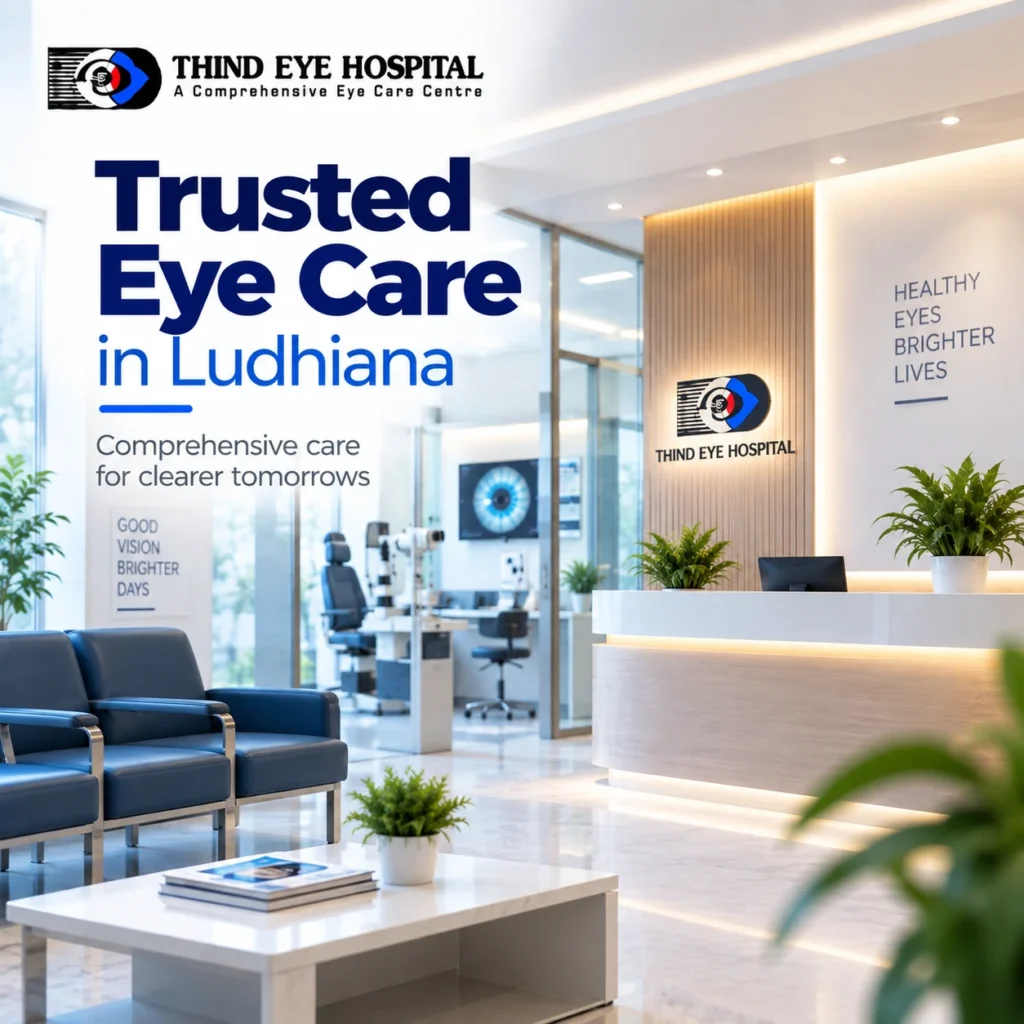
Eye Clinic in Ludhiana: Where to Find the Branch
If you are searching for an eye clinic near me Ludhiana, the location and opening hours matter when planning your visit.
Thind Eye Hospital’s Ludhiana branch is at:
B-35, 958, M/5, Wood Stock Tower, Ferozepur Road, Ludhiana 141012, Punjab
The landmark is Wood Stock Tower, Ferozepur Road, opposite Wave Mall.
The branch is open Monday to Sunday, 8:00 am to 8:00 pm. You can call +91 95940 50391 before visiting if you need help planning your consultation.
You can also find details about the eye hospital in Ludhiana before your visit.
What Services Can You Expect at an Eye Clinic in Ludhiana?
A visit to an eye clinic in Ludhiana should begin with an appropriate eye assessment. A comprehensive eye examination checks more than your spectacle power.
It includes:
- Visual acuity
- Refraction
- Examination of the front of the eye
- Intraocular pressure
- A dilated retinal examination where indicated
These checks help assess your vision and general eye health.
Thind Eye Hospital’s Ludhiana branch also has Dr. Alia Yamin, Consultant Ophthalmologist, Cataract, Medical Retina and Dry Eye, who consults daily. Her listed areas include cataract, refractive surgery, medical retina and dry eye management.
An ophthalmologist is a medical doctor specialising in eye health and treatment. An optometrist is a vision-care professional who examines vision and provides optical correction within their professional scope.
Eye Clinic in Ludhiana: What Happens During Your First Visit?
Knowing what to expect makes it easier to plan your visit.
1. Arrive at the branch
Reach the Ludhiana branch at Wood Stock Tower, Ferozepur Road, opposite Wave Mall. The branch is open every day from 8:00 am to 8:00 pm.
2. Have your vision assessed
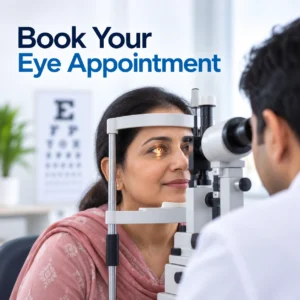
Your examination includes visual acuity and refraction. Refraction checks the optical power needed for your vision correction.
3. Have your eyes examined
The examination includes the front of your eye and intraocular pressure. A dilated retinal examination is performed where indicated.
4. Discuss your eye care needs
Your examination findings help guide the next step. If further assessment or treatment is needed, this can be discussed during your consultation.
5. Plan your visit home
If your examination includes dilation, remember that dilating drops blur near vision and increase light sensitivity for several hours. Arrange transport home after a dilated examination.
What should you bring?
It is useful to bring:
- Your current spectacles
- Previous eye examination records, if available
- Details of any regular eye medicines
- Relevant medical information, including diabetes history
When Should You Visit an Eye Clinic?
Regular eye examinations are useful even when your vision seems normal.
Adults without symptoms and risk factors are generally advised to have a comprehensive eye examination every one to two years. From age 40, examinations are advised more often because the risk of glaucoma and other conditions rises.
If you have diabetes, you need a dilated retinal examination at least once a year, and sooner if advised. This applies even when your vision seems normal.
A family history of glaucoma is another reason for regular examinations from an earlier age. Glaucoma is often symptomless until it becomes advanced.
You can also read about the signs you need glasses if you are noticing changes in your vision.
Eye Care Ludhiana: Everyday Habits That Help
Your daily habits also affect how your eyes feel.
Screen use
Prolonged screen use is associated with dry eye and eye strain because your blink rate falls. Regular breaks, adequate lighting and the correct working distance help reduce symptoms.
UV protection
Ultraviolet exposure is linked to cataract and pterygium. Sunglasses with proper UV protection therefore matter in the Punjab climate.
Near vision after 40
Presbyopia is the age-related loss of near focus. It typically begins in the forties and is a normal change rather than a disease.
If you are experiencing changes in near vision, a comprehensive eye examination can assess your vision and eye health.
For broader information, the American Academy of Ophthalmology provides patient resources on eye conditions and care. The World Health Organization’s eye care information is another useful reference.
Why Choose Thind Eye Hospital in Ludhiana?
Thind Eye Hospital was founded in 1991 by Dr. Jaswant Singh Thind. The hospital brings more than 39 years of expertise in eye care and has performed more than 4,00,000 surgeries to date.
Its history includes several developments in eye care. The hospital introduced 100% topical anaesthesia cataract surgery without injections in 1997. It introduced LASIK laser vision correction in North India in 1998 and launched a fully equipped Vitreo-Retinal department in 1999.
The hospital also conducts community eye care camps for rural populations and school eye health checkup programmes for children.
For patients looking for eye care Ludhiana, these details provide useful context about the hospital and its services.
Book a Consultation at the Ludhiana Branch
If you are searching for an eye clinic in Ludhiana, you can visit the Thind Eye Hospital branch at Wood Stock Tower, Ferozepur Road, opposite Wave Mall.
The branch is open Monday to Sunday, 8:00 am to 8:00 pm. Call +91 95940 50391 for branch information or book an appointment online.
Dr. Alia Yamin, Consultant Ophthalmologist, Cataract, Medical Retina and Dry Eye, consults at the Ludhiana branch daily. You can also view Dr. Alia Yamin before your visit.
For anyone searching for an eye clinic near me Ludhiana, the Ludhiana branch provides a clear local option for comprehensive eye assessment and specialist consultation.
Disclaimer: “This article provides general information about eye health and eye care services. It is not medical advice and does not replace a consultation with a qualified ophthalmologist. Symptoms vary between individuals. Please consult a licensed eye specialist before acting on any information here.”
FAQs